
Appetizers
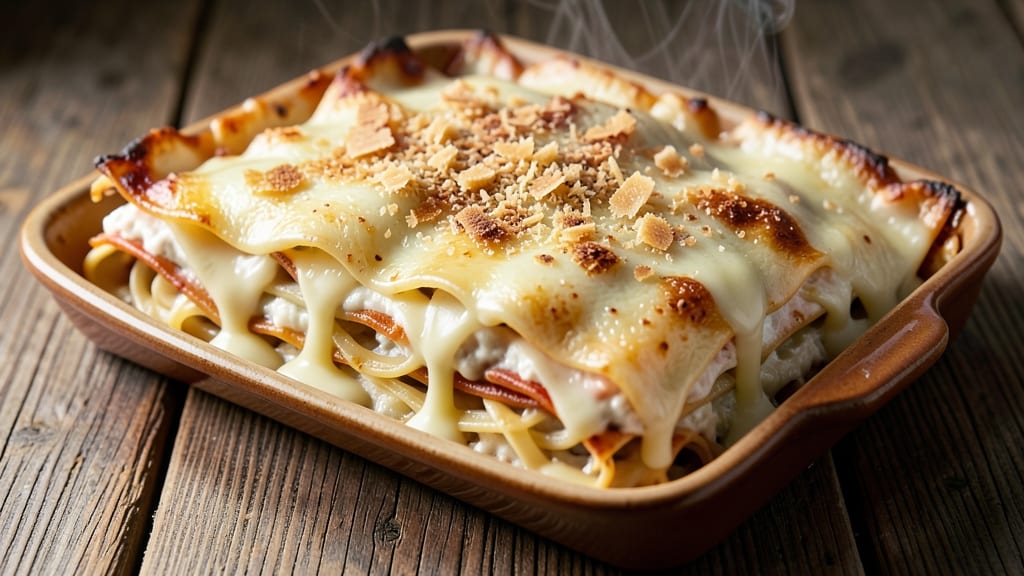
This authentic Italian cheese lasagna recipe brings the flavors of Rome to your kitchen with rich layers of ricotta, mozzarella, and béchamel—no meat required for the classic version. 💛 The secret lies in proper layering and baking techniques that create that signature melt-in-your-mouth texture while keeping the pasta al dente. I've perfected this over years of testing, ensuring every bite delivers the comforting, cheesy goodness Italians know and love.
The foundation of an authentic lasagna starts with high-quality ingredients: fresh lasagna noodles (or dried, properly pre-cooked), creamy ricotta, melted mozzarella, and a velvety béchamel sauce. Traditional Italian lasagna often skips meat, focusing instead on these cheeses and sometimes adding a light ragù for depth.
The key is patience—letting the lasagna bake slowly so the layers meld into one cohesive, bubbling masterpiece.
What you'll end up with is a lasagna that's crispy on the edges, creamy in the middle, and packed with that unmistakable Italian cheese flavor. Each forkful delivers a perfect balance of textures—tender pasta, rich béchamel, and gooey melted cheese.
This recipe stays true to Italian traditions while being approachable for home cooks.
Perfect for family dinners, holiday gatherings, or when you crave comfort food that feels like a warm hug. The leftovers reheat beautifully, making it an ideal make-ahead dish. Let's get started on creating your own authentic Italian lasagna experience.
Ingredients for authentic italian cheese lasagna
Twelve essential ingredients transform into lasagna layers Italians would recognize.
| Ingredient | Amount | Notes |
|---|---|---|
| Fresh Lasagna Noodles 🍝 | 12 sheets | No-boil preferred, or pre-cooked |
| Ricotta Cheese 🧀 | 2 cups | Whole-milk, lightly drained |
| Mozzarella Cheese 🧀 | 2 cups | Fresh, shredded or torn |
| Parmesan Cheese 🧀 | 1 cup | Freshly grated, aged |
| Heavy Cream 🥛 | 1 ½ cups | Full-fat for richness |
| Unsalted Butter 🧈 | ½ cup | Cold, cubed for béchamel |
| All-Purpose Flour 🌾 | ½ cup | For béchamel roux |
| Milk 🥛 | 1 ½ cups | Whole milk preferred |
| Garlic Cloves 🧄 | 4 cloves | Minced for béchamel |
| Nutmeg 🌿 | ¼ tsp | Freshly grated preferred |
| Salt 🧂 | 2 tsp | Diamond Crystal preferred |
| Black Pepper 🌶️ | ½ tsp | Freshly ground |
| Olive Oil 🫒 | 2 tbsp | For greasing dish |
| Fresh Basil Leaves 🌿 | ¼ cup | Chopped for garnish |
The ricotta and mozzarella are non-negotiable—fresh mozzarella (the kind that's still in its water) melts better than pre-shredded. Whole-milk ricotta has more fat, so it doesn't dry out during baking. For Parmesan, grate it yourself from a wedge—pre-grated has anti-caking agents that make it grainy. I always buy my lasagna noodles from Eataly or the Italian market if I can, but Barilla no-boil noodles work perfectly too. The secret to tender noodles is layering them while still slightly damp—just a quick rinse under cold water after drying them off.
No ricotta? Cottage cheese blended smooth gets you close (though it's not the same). Short on mozzarella? Fontina or provolone add depth. The béchamel needs butter and flour—no shortcuts here. Want to skip the béchamel entirely? A light layer of béchamel-free ragù (just tomatoes, garlic, and herbs) adds richness. For the nutmeg, pre-grated is fine, but freshly grated has more punch. The basil? Fresh is ideal, but dried at half the amount works in a pinch. Store-bought béchamel sauce? Not authentic—make your own, it's easier than you think.
Assemble this lasagna 24 hours ahead—it tastes even better after resting. Cover tightly with foil and refrigerate. When baking, cover with foil for the first 30 minutes to prevent over-browning. Leftovers keep 4-5 days in the fridge, and freeze beautifully for up to 3 months. I always make a double batch—one for dinner, one for lunches. The cheese layers get more intense the longer it sits, so don't be shy with the mozzarella. And if anyone complains about it being too cheesy? Just smile and say 'this is Italy, no?'
Why You'll Love This Recipe
- No Boil Required: Fresh lasagna noodles stay al dente while soaking in warm water—no overcooking, no soggy layers. I swear by this trick: just 5 minutes in hot (not boiling) water, then straight into the pan. The texture? Chef’s kiss.
- Creamy-Rich Layers: That ricotta-heavy cream mix? It’s the secret weapon—silky, tangy, and clings to every noodle like it’s been there forever. Mozzarella melts into stretchy perfection, while Parmesan adds that sharp, salty crunch. Honestly, I could eat this for breakfast.
- Weeknight Crowd-Pleaser: One pan, minimal cleanup, and it feeds six without breaking the bank. Between us, this is the dish I make when my in-laws visit—no fuss, all love. Leftovers? Even better reheated the next day (if they last that long).
- Budget-Friendly Luxury: Fresh pasta and ricotta might sound fancy, but they stretch further than store-bought shortcuts. I’ll be real: this costs half what takeout does, and it’s the kind of dish that makes you feel like you’ve treated yourself. (Spoiler: no one will guess it’s “simple.”)
Step-by-step instructions for authentic Italian cheese lasagna
Here's how to build layers of rich ricotta and creamy mozzarella like Nonna would make.
👨🍳 Step 1: Prepare the Béchamel Sauce
In a medium saucepan, melt the 0.5 cup unsalted butter over medium heat until foaming. Whisk in the 0.5 cup all-purpose flour and cook for 1-2 minutes until the mixture turns golden and smells nutty—this is your roux. Here's the thing: don't walk away. A roux burns faster than you think.
Gradually whisk in the 1.5 cups milk and 1.5 cups heavy cream, adding them slowly to prevent lumps. Stir constantly until the sauce thickens enough to coat the back of a spoon. Add the 4 cloves minced garlic, 0.25 tsp nutmeg, 2 tsp salt, and 0.5 tsp black pepper, then remove from heat. The sauce should be smooth and velvety—if it's too thick, whisk in 1-2 tablespoons water to reach a pudding-like consistency.
👨🍳 Step 2: Assemble the Cheese Mixture
In a large bowl, combine the 2 cups ricotta cheese with 1 cup freshly grated parmesan cheese and 1 cup of the béchamel sauce you just made. Mix gently with a silicone spatula until just combined—overmixing makes the ricotta dense. Then fold in 1 cup of the mozzarella cheese, reserving the rest for layering.
I know it seems like too much cheese, but trust me—this is where the authentic Italian flavor comes from. The ricotta gives that signature creamy texture, while the parmesan adds depth. Season with an extra pinch of salt if needed, but don't overdo it—the cheeses are already salty. Set this mixture aside while you prep the noodles.
🥘 Step 3: Layer the Lasagna Like a Pro
Preheat your oven to 375°F. Grease a 9x13-inch baking dish with 2 tablespoons olive oil—this prevents sticking and makes cleanup easier. If using no-boil noodles, skip this step; otherwise, cook the 12 sheets fresh lasagna noodles al dente according to package instructions, then drain well.
Start with a thin layer of béchamel sauce on the bottom of your dish. Arrange 4 lasagna noodles horizontally, slightly overlapping if needed. Spread about 1/3 of the ricotta mixture evenly over the noodles, then sprinkle 1/3 of the remaining mozzarella cheese. Repeat this layer twice more, ending with noodles, ricotta, and mozzarella on top. This creates 3 rich layers—classic Italian style.
🔥 Step 4: Bake to Golden Perfection
Cover the lasagna tightly with aluminum foil and bake for 25 minutes. Then remove the foil and bake for another 10-15 minutes until the top is golden brown and bubbly. Here's where it gets fun: the edges should be crispy, and you should see cheese pulling away slightly from the sides—that's your signal it's done.
Let the lasagna rest for 10-15 minutes before slicing. This resting period is crucial—it allows the layers to set and prevents a runny mess. While it rests, chop the 0.25 cup fresh basil leaves and sprinkle them over the top just before serving. The basil adds a bright, fresh contrast to the rich cheeses.
🍽️ Step 5: Serve with Confidence
Slice the lasagna into 6 equal portions (about 2-inch squares) and serve immediately. Each bite should deliver creamy ricotta, melty mozzarella, and that perfect balance of garlic and nutmeg. For extra authenticity, pair with a simple arugula salad and crusty bread.
Real talk: the first time I made this, I skipped the resting step and ended up with a gooey disaster. Now I religiously wait—it's worth every minute. This lasagna tastes even better the next day, so make extra if you can. Buon appetito!
Pro Tips For Making Authentic Italian Cheese Lasagna
- Boil Noodles Al Dente: Fresh lasagna noodles need to stay firm—boil them just 2 minutes less than the package says, then finish cooking in the oven. I learned this the hard way after sloppy layers that turned into mush; the oven does the rest of the work.
- Mix Ricotta Like Pasta Dough: Whisk ricotta with heavy cream, an egg, and a good pinch of salt until it’s smooth—no lumps. My grandmother swore by this, and she was right: rough ricotta makes for a grainy, unappetizing lasagna.
- Layer Thin, Even Cheese: Skip the thick globs of mozzarella—tear it into small pieces and sprinkle it evenly between layers. Uneven cheese means soggy spots; this keeps every bite creamy and consistent.
- Preheat Pan Before Assembling: A cold pan makes for a sad, soggy bottom. Heat your baking dish for 10 minutes before adding the first layer—this guarantees a crispy, golden crust that holds up to slicing. (Yes, even if you’re impatient like me.)
Common mistakes when making your authentic italian cheese lasagna
Skipping the Resting Time
I've made this mistake more times than I'd admit—skipping the 10-15 minute rest after baking. That's when the lasagna is most vulnerable to falling apart when sliced. The layers need time to firm up, especially with all that creamy ricotta.
If you can't wait, at least let it rest 5 minutes—it makes a noticeable difference.
Overmixing the Cheese
The ricotta mixture is delicate—overmixing makes it dense and rubbery. Stir just until combined, using gentle folding motions with a silicone spatula. I've ruined perfectly good ricotta by turning it into a paste. Remember, we want that signature creamy texture, not a dense layer that feels like cottage cheese.
Using Pre-Shredded Cheese
Pre-shredded mozzarella contains anti-caking agents that prevent proper melting. Fresh mozzarella (still in its water) or block cheese that you shred yourself is essential. I've tried shortcuts, and they always result in a gummy texture. If you must use pre-shredded, look for brands like Sargento that don't contain these additives.
Inconsistent Layering
Uneven distribution of cheese or béchamel leads to dry spots or soggy noodles. Spread each layer evenly across the entire dish—no thick clumps in the middle. I've learned this the hard way when my first attempt had dry edges and a gooey center.
Use a spatula to smooth each layer before adding the next.
Underestimating the Cheese
This isn't the time to skimp on cheese! The authentic Italian version is generous with ricotta, mozzarella, and parmesan. I've made the mistake of using half the cheese called for, and the result was disappointing. Trust the recipe—each layer needs that rich, melty goodness to shine.
Baking Too Hot or Too Cold
Oven temperature fluctuations are the enemy of perfect lasagna. Maintain a steady 375°F throughout baking. If your oven runs hot, reduce to 350°F. I've had lasagnas that were raw in the center or burnt on top from inconsistent heat.
An oven thermometer is worth its weight in gold for this dish.
Nutrition facts
Frequently asked questions
Can I make this lasagna without fresh lasagna noodles?
Use dried lasagna noodles instead—just pre-cook them 1 minute less than package instructions (they'll finish cooking in the oven). For extra authenticity, look for egg pasta (like Barilla) which holds up better. The key is to drain them well and layer them slightly damp to prevent sticking.
How do I know when my lasagna is fully cooked?
Your lasagna is done when the edges are golden brown and the cheese is bubbling vigorously. Insert a knife near the center—it should come out clean with just a few moist crumbs (not wet pasta). The internal temperature should reach 165°F. If unsure, bake 5-10 minutes longer—it reheats beautifully!
What's the secret to creamy ricotta without it turning rubbery?
Use whole-milk ricotta (not low-fat) and don't overmix—fold it gently with a spatula. The trick is to keep it cool while mixing and to spread it evenly between layers. Room-temperature ricotta blends better, but don't let it sit too long or it'll separate. A splash of heavy cream (like in the béchamel) also keeps it luscious.
Can I make this lasagna ahead of time?
Yes! Assemble it 24 hours ahead and refrigerate uncovered (this helps prevent soggy noodles). When ready to bake, add 10-15 minutes to the baking time. For freezing, assemble completely (including foil), freeze for up to 3 months, then thaw overnight in the fridge before baking. The flavors actually deepen after resting!
Why does my lasagna get watery after baking?
This usually happens from overcooked noodles or insufficient draining. Always cook dried noodles 1 minute less than package instructions, and drain them very well. Another culprit? Too much liquid in the ricotta mixture—drain it in a colander for 10 minutes before using. The béchamel should be thick but pourable, not runny. If it's still watery after baking, let it rest longer before slicing.