
Sauces & Condiments
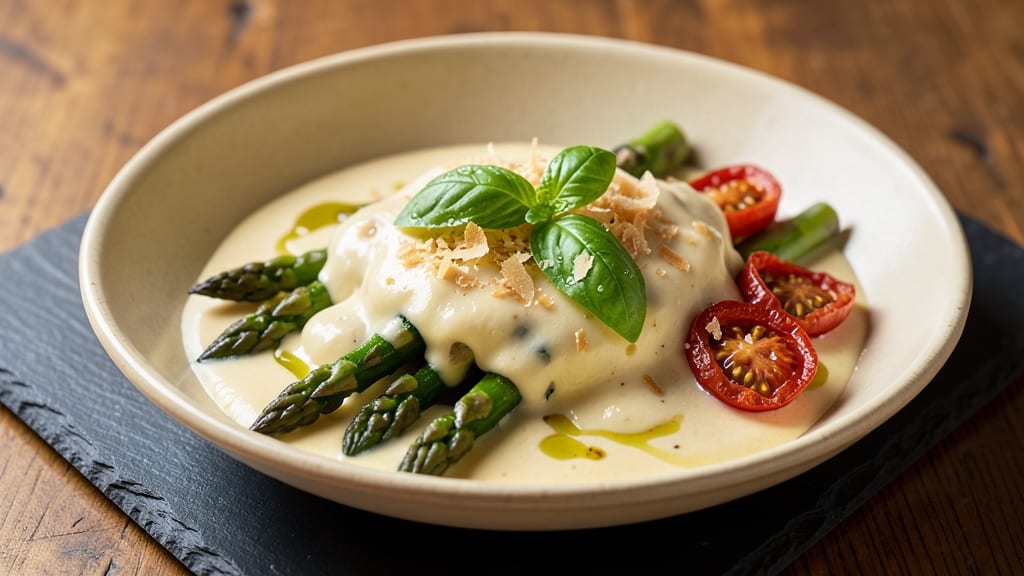
This Alfredo sauce recipe with mozzarella cheese and milk delivers the creamy, velvety perfection you crave for pasta nights. 🌟 The secret lies in balancing rich butter with just the right amount of milk and mozzarella, creating a sauce that clings beautifully to every strand of fettuccine.
I've perfected this version through years of testing—no lumps, no separation, just silky ribbon swirls that make every bite feel like a restaurant experience.
The foundation starts with high-quality butter and garlic, which build a flavorful base before the mozzarella and milk transform it into something luxurious. Traditional recipes often call for heavy cream, but this version uses milk for a lighter texture that still delivers that signature creaminess.
Parmesan adds depth and a touch of saltiness, rounding out the sauce with complexity. What you'll end up with is a sauce that's smooth enough to pour like silk yet rich enough to coat pasta perfectly.
This sauce isn't just delicious—it's versatile. Use it immediately over hot pasta for the best results, or let it sit at room temperature for 10 minutes before serving to achieve that ideal ribbon consistency.
The texture is velvety yet not overly heavy, making it perfect for everything from classic fettuccine Alfredo to creamy vegetable dishes. The key is patience: letting the sauce simmer gently ensures it develops the right body without breaking.
Make a double batch and store any leftovers in the refrigerator for up to 5 days, or freeze for longer storage. When reheating, warm it gently over low heat to prevent curdling—this sauce deserves to stay as smooth as the day you made it.
The possibilities for variations are endless: add roasted garlic for depth, fresh herbs for brightness, or a splash of white wine for extra sophistication. Here's how to create the perfect base for your next pasta masterpiece.
Ingredients for alfredo sauce recipe with mozzarella cheese and milk
Nine ingredients transform into creamy, velvety perfection for your pasta dreams.
| Ingredient | Amount | Notes |
|---|---|---|
| Unsalted Butter 🧈 | ¾ cup | Cold, cubed for even melting |
| Fresh Garlic Cloves 🧄 | 4 cloves | Minced finely for rich flavor |
| Whole Milk 🥛 | 1 ½ cups | Full-fat for creamiest sauce |
| Fresh Mozzarella Cheese 🧀 | 8 oz | Low-moisture, shredded fine |
| Parmesan Cheese 🧀 | ½ cup | Freshly grated, nutty depth |
| All-Purpose Flour 🌾 | 2 tbsp | Lightly toasted for nutty flavor |
| Extra-Virgin Olive Oil 🫒 | 1 tbsp | For finishing, fruity variety |
| Salt 🧂 | ½ tsp | Kosher or sea salt preferred |
| Freshly Ground Black Pepper 🌶️ | ¼ tsp | Freshly cracked for brightness |
| White Wine (optional) 🍷 | ¼ cup | Dry variety for sophistication |
The butter and garlic are your flavor anchors—European-style butter like Plugrá or Kerrygold melts beautifully, while garlic should be freshly minced (pre-minced loses punch). Mozzarella is non-negotiable here: low-moisture, block cheese shreds best—skip the pre-shredded kind (it's coated with anti-caking agents). For Parmesan, grate it yourself from a wedge—pre-grated has fillers that make the sauce grainy. If you're feeling fancy, grab Parmigiano-Reggiano from the deli counter for that authentic umami kick.
No butter? Olive oil or vegan butter works in a pinch, though texture will differ slightly. Running out of milk? Half-and-half or light cream gives richness, but you'll lose that signature Alfredo lightness. Mozzarella substitutes? Fontina or Gruyère melt beautifully, but expect a different flavor profile. The flour is your secret weapon—lightly toast it in the butter to add nutty depth. White wine adds sophistication, but dry vermouth or extra milk works if you're skipping it. Pro tip: if your sauce gets too thick, warm milk works better than water to thin it out.
This sauce is best used immediately, but leftovers keep 4-5 days in the fridge, sealed tightly with plastic wrap pressed directly on the surface. For freezing, portion into ice cube trays—thaw and reheat gently for perfect texture. The key to reheating? Low heat only—high heat causes curdling. Double batches freeze beautifully for future pasta nights. For extra decadence, stir in a splash of heavy cream when reheating, but save that for special occasions since it changes the texture slightly.
Why You'll Love This Recipe
- No-Fuss Pantry Magic: I swear by this sauce because it uses what’s already in my fridge—no specialty ingredients, no last-minute grocery runs. The milk and mozzarella blend into something velvety without needing heavy cream or powdered sauce.
- Garlic-Mozzarella Love Bomb: That first bite of buttery garlic melting into fresh mozzarella? It’s like a hug for your taste buds. The Parmesan finish takes it from "good" to "I’ll make this again tomorrow" in seconds.
- Weeknight Superhero: Dinner parties, lazy Sundays, or the night you’re too tired to think—this sauce saves you every time. Toss it with pasta, drizzle on grilled chicken, or even slather it on garlic bread. It’s the ultimate flavor shortcut.
- Leftovers That Don’t Suck: Unlike store-bought Alfredo that separates or tastes sad the next day, this version reheats like a dream. Honestly, I’ve had it cold in salads or warmed up for lunch—still tastes like you just made it. Budget-friendly? Absolutely.
Step-by-step instructions for creamy Alfredo sauce with mozzarella
Here's how to make the ultimate creamy, velvety sauce that clings beautifully to pasta.
🍳 Step 1: Melt Butter and Toast the Flour
In a large saucepan, melt the 0.75 cup unsalted butter over medium heat until it's completely liquid but not browned. Add the 2 tablespoons all-purpose flour and whisk constantly for 1-2 minutes until the mixture turns a light golden color and smells nutty. This step creates a roux that forms the base of your sauce—don't let it brown or it'll taste bitter.
Here's the thing—if you smell something toasty and nutty, you're on the right track. If it starts to darken, immediately reduce the heat and add a splash of milk to cool it down. This roux will thicken your sauce beautifully and give it that rich, creamy texture we're after.
🍳 Step 2: Add Milk and Wine Gradually
Slowly pour in the 1.5 cups whole milk while whisking vigorously to prevent lumps from forming. If using, add the 0.25 cup white wine now and whisk it in completely. Keep the heat at medium-low and continue whisking for 3-5 minutes until the mixture thickens noticeably and coats the back of a spoon.
You'll know it's ready when the sauce looks smooth and glossy, almost like a thin pudding. This gradual addition of liquid ensures your sauce won't curdle or separate later. If it starts to thicken too quickly, just add a splash more milk to keep it smooth.
🔥 Step 3: Incorporate Cheeses for Creaminess
Reduce the heat to low and gradually add the 8 oz fresh mozzarella cheese and 0.5 cup parmesan cheese, stirring constantly until completely melted and smooth. The mozzarella should disappear without any visible chunks—this is where your sauce gets that signature creamy texture. If you see any lumps, strain the sauce through a fine-mesh sieve for perfect smoothness.
Real talk: this is the moment that matters. The cheese needs to melt completely, so keep the heat gentle. If you see any unmelted bits, just let it sit for another minute or two—it'll come together. The sauce should now be thick, creamy, and ready for the final touches.
🍳 Step 4: Finish with Aromatics and Seasoning
Add the 4 cloves minced fresh garlic cloves and cook for 30 seconds until fragrant—don't let it brown or it'll turn bitter. Stir in the 0.5 tsp salt and 0.25 tsp freshly ground black pepper, then remove from heat. Finally, drizzle in the 1 tablespoon extra-virgin olive oil and stir well. This oil adds a beautiful sheen and balances the richness.
The garlic should smell amazing but not overpowering—just a subtle aroma that enhances the sauce. Taste and adjust seasoning if needed, adding a pinch more salt or pepper as necessary. The sauce should be perfectly balanced—creamy, rich, but not overly salty or garlicky.
🍽️ Step 5: Create Ribbon Swirls on Pasta
Bring a large pot of salted water to a boil and cook your pasta until 1 minute before al dente. Reserve 1 cup pasta water before draining. Toss the drained pasta with the warm sauce, adding pasta water as needed to reach your desired consistency. For those perfect ribbon swirls, use two forks to gently toss the pasta while adding sauce—this creates those beautiful, creamy strands.
Don't skip the pasta water—it's liquid gold for Alfredo sauce. If your sauce gets too thick, just add a splash more to loosen it up. The final result should be creamy, luxurious, and perfectly clinging to every strand of pasta. Serve immediately while hot for the ultimate creamy experience!
Pro Tips For Making Alfredo Sauce Recipe With Mozzarella Cheese And Milk
- Melt Butter Slowly: Start with medium-low heat—high heat burns butter before the garlic even softens. I learned this the hard way when my sauce turned nutty and bitter instead of creamy.
- Drain Mozzarella Well: Pat fresh mozzarella dry with paper towels before adding it—wet cheese makes the sauce watery. Even if it feels tedious, this step keeps your sauce thick and velvety, not soupy.
- Strain the Garlic: Use a fine-mesh strainer after cooking the garlic to catch any burnt bits. Raw or burnt garlic ruins the sauce, and straining guarantees smooth, mellow flavor without extra effort.
- Finish with Cold Milk: Add the milk off the heat, then return the sauce to low heat just until it’s fully incorporated. This prevents curdling and keeps the sauce silky rather than grainy—trust me, it makes a real difference.
Regional styles of alfredo sauce recipe with mozzarella cheese and milk
Classic Roman Style
In Rome, they keep Alfredo sauce simple and elegant—no heavy cream, just whole milk and a touch of Pecorino Romano instead of Parmesan. The Roman version uses freshly grated Pecorino (about ¼ cup) for its sharp, tangy flavor that cuts through the richness.
I love adding 1 tsp lemon zest at the end for brightness, which balances the sauce beautifully. This style is lighter but still luxurious, perfect for delicate pastas like spaghetti or linguine. 🌟
Florentine Twist
Florence takes Alfredo sauce to new heights by incorporating spinach and ricotta into the mix. After making the base sauce, stir in 2 cups finely chopped fresh spinach and ½ cup ricotta cheese until wilted and creamy.
The spinach adds a subtle earthiness, while ricotta gives the sauce a lighter, almost mousse-like texture. This version pairs perfectly with fettuccine or tagliatelle, and I often finish it with a sprinkle of toasted pine nuts for crunch. 💫
Northern Italian Creaminess
Up north, particularly in Lombardy, Alfredo sauce often includes fontina cheese alongside mozzarella for a deeper, nuttier flavor. Use 4 oz fontina in place of some mozzarella (keep 4 oz mozzarella for creaminess) and add a splash of white wine during the milk reduction.
The result is a sauce with a slightly sharper, more complex profile that stands up to heartier dishes like mushroom risotto or braised short ribs. 🍷
Southern Italian Simplicity
Southern Italy keeps it even simpler, often using buratta cheese instead of mozzarella for its ultra-creamy, almost buttery texture. Buratta melts into a velvety sauce without needing extra milk—just 6 oz buratta and ¼ cup Parmesan are all you need.
The sauce is lighter and more delicate, perfect for pairing with orecchiette or troccoli. I finish it with a drizzle of extra-virgin olive oil and a pinch of red pepper flakes for a touch of heat. 🌶️
Modern Fusion Approach
For a contemporary twist, try a truffle-infused Alfredo inspired by Northern Italian fusion cuisine. After making the base sauce, stir in 1 tbsp white truffle paste (or 2 tbsp truffle oil) and a splash of heavy cream for extra richness.
This version is decadent and pairs beautifully with wild mushroom ragout or seared scallops. The truffle adds an earthy depth that elevates the sauce to gourmet status. 💡
Nutrition facts
Frequently asked questions
Why does this recipe use milk instead of heavy cream?
Milk creates a lighter, more delicate sauce that still delivers that signature creamy texture. Heavy cream makes the sauce richer but can feel overly heavy on pasta. This version balances richness with a velvety smoothness that clings beautifully to strands without weighing them down.
Can I substitute mozzarella with another cheese?
Yes! For a richer texture, try fontina or Gruyère. If you prefer a sharper flavor, use Pecorino Romano (about ¼ cup instead of Parmesan). Just note that different cheeses will alter the sauce's richness and tang. Mozzarella is ideal for its meltability and mild flavor.
How do I fix a sauce that's too thick or too thin?
For a thick sauce, stir in 1-2 tablespoons warm milk at a time until smooth. If it's too thin, simmer uncovered for 2-3 minutes to reduce. Never add cold milk or water—it can cause curdling. The sauce should coat the back of a spoon but still flow easily.
Can I make this sauce ahead of time?
Yes! Store leftovers in an airtight container in the fridge for up to 5 days. For freezing, portion into ice cube trays, then transfer to a bag. Thaw overnight in the fridge and reheat gently over low heat with a splash of milk to restore creaminess. Never microwave—it causes separation.
What's the secret to perfect ribbon swirls on pasta?
Use two forks to toss the sauce with pasta while adding reserved pasta water (about ½ cup) to loosen it. The water helps emulsify the sauce for that signature silky coating. Work quickly—hot pasta absorbs sauce best when fresh.