
Snacks
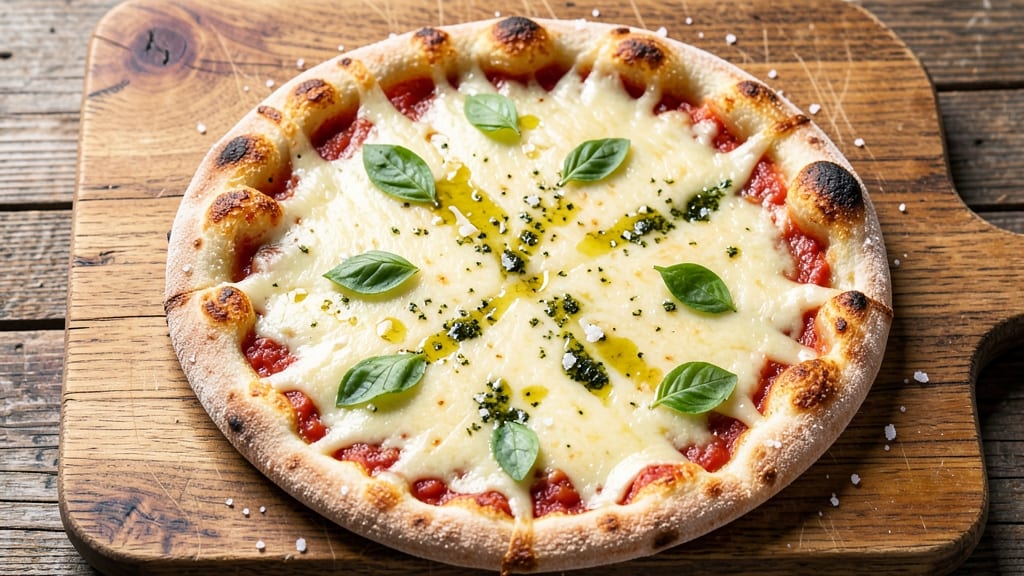
Asiago cheese pizza transforms a classic into something extraordinary—where nutty, caramelized cheese meets a perfectly crispy crust and golden streaks of melted goodness. 🔥 The secret lies in the cheese's unique texture: Asiago's lower moisture content creates those signature crispy edges while delivering a rich, slightly sweet flavor that pairs beautifully with simple toppings. This isn't your average cheese pizza; it's a flavor experience that balances bold and delicate in every bite.
The beauty of this recipe is its simplicity—no fancy techniques required. You'll start with a foolproof dough that develops a satisfying chew, then layer it with a minimalist sauce and a generous blanket of freshly grated Asiago.
The magic happens in the oven, where the cheese develops those irresistible crispy streaks while maintaining a creamy center. It's the kind of pizza that makes you question why you ever bought frozen versions.
What you'll end up with is a pizza that's crispy at the edges, tender in the middle, and topped with golden-brown Asiago that's both creamy and slightly caramelized. The nutty depth of Asiago elevates what could be a simple cheese pizza into something restaurant-quality.
Each slice delivers that perfect balance of textures and flavors that keeps you reaching for another piece.
Perfect for weeknight dinners or weekend gatherings, this recipe scales beautifully. Whether you prefer a classic thin crust or a heartier deep-dish style, the Asiago cheese takes center stage. Let's get started on creating this nutty, crispy masterpiece that'll have everyone asking for seconds.
Ingredients for asiago cheese pizza
Simple dough, bold cheese—just these essentials for that perfect nutty, crispy pizza experience.
| Ingredient | Amount | Notes |
|---|---|---|
| All-Purpose Flour 🌾 | 3 cups | Spooned and leveled, not scooped |
| Active Dry Yeast 🍞 | ¼ tsp | Or 1 packet instant yeast |
| Granulated Sugar 🍚 | 1 tbsp | Feeds the yeast |
| Warm Water 💧 | 1 cup | 110°F (43°C) for activation |
| Extra-Virgin Olive Oil 🫒 | 2 tbsp | Plus 1 tbsp for dough |
| Salt 🧂 | 1 tsp | Kosher or sea salt |
| San Marzano Tomato Sauce 🍅 | ½ cup | Or high-quality crushed tomatoes |
| Garlic Cloves 🧄 | 2 cloves | Minced for sauce |
| Asiago Cheese 🧀 | 2 cups | Freshly grated, low-moisture |
| Mozzarella Cheese 🧀 | 1 cup | Fresh mozzarella, torn |
| Cornmeal 🌽 | ¼ cup | For dusting pizza peel |
| Baking Sheet 🔥 | 1 whole | For crispy crust |
The Asiago is the star here, so skip the pre-shredded stuff—it's full of anti-caking agents that ruin the texture. Grab a wedge from the deli counter or buy a block to grate yourself. For the dough, King Arthur or Gold Medal flour gives the best texture, but any all-purpose will work. The yeast? Fresh is best, but instant yeast in a packet is foolproof. If your kitchen's cold, use slightly warmer water (up to 115°F) to activate it. And trust me, the extra 1 tbsp of olive oil in the dough makes all the difference for that crispy-yet-chewy crust.
No San Marzano sauce? Any high-quality canned tomatoes will do—just crush them by hand for better texture. Running short on Asiago? Parmesan and Gruyère mixed 50/50 mimics that nutty depth. Fresh mozzarella is ideal, but low-moisture shredded works in a pinch—just drain it well. The garlic? Freshly minced adds way more flavor than jarred, but if you're in a rush, 1 tsp garlic powder + 1/4 tsp onion powder is a decent swap. And if you're worried about the dough rising, cover it with a damp towel—keeps it from drying out while it puffs up.
Dough keeps in the fridge for 2 days wrapped tight, or 3 months frozen. The grated Asiago? Store it in an airtight container—it'll stay fresh for weeks. For the sauce, make a double batch and freeze half in ice cube trays. Once your pizza's done, slice it while it's still hot—the cheese holds together better. Leftovers? 3-4 days in the fridge, but honestly, they rarely last that long.
Why You'll Love This Recipe
- No-Knead Magic: I’ll be real—this dough handles itself. Just toss in the flour, yeast, sugar, and warm water, let it rest while you chop veggies or open a bottle of wine. No standing at the counter, no sticky fingers, just set it and forget it until it’s ready to stretch.
- Melty Gold Perfection: That first pull of crispy crust giving way to a blanket of melted asiago? Honestly, it’s the kind of cheese pull that makes you pause mid-bite. The olive oil in the dough keeps it tender, while the asiago stretches into glossy, stretchy strands—no weird rubbery bits here.
- Weeknight Superstar: Between us, this is my go-to when I’ve got zero energy but still need dinner. Double the dough, bake two pies, and you’ve got tomorrow’s lunch sorted. Or freeze half for when you’re too tired to order in. (Yes, even on a Tuesday night.)
- Pantry-Friendly Power: Five ingredients, all of which you probably already have. No specialty cheeses, no obscure flours—just basics that turn into something restaurant-worthy. And because it’s simple, you’re not wasting money on fancy ingredients that’ll go bad in your fridge.
Step-by-step instructions for Asiago cheese pizza
Here's how to make a pizza with a nutty, crispy crust and those irresistible Asiago cheese pull-apart streaks.
👨🍳 Step 1: Activate the Yeast and Mix the Dough
In a small bowl, combine the 1 cup warm water (about 110°F) with the 1 tbsp granulated sugar and 0.25 tsp active dry yeast. Let it sit for 5-10 minutes until foamy—this means your yeast is alive and ready to work. If it doesn't foam, your yeast might be dead, and you'll need to start over.
In a large bowl, whisk together the 3 cups all-purpose flour and 1 tsp salt. Make a well in the center and pour in the yeast mixture along with 2 tbsp extra-virgin olive oil. Mix with a wooden spoon until the dough starts to come together, then turn it out onto a lightly floured surface. Knead for 8-10 minutes until smooth and elastic. The dough should be slightly tacky but not sticky—add a little more flour if needed.
🥘 Step 2: Let the Dough Rise and Prep the Sauce
Shape the dough into a ball, place it in a lightly oiled bowl, cover with a clean kitchen towel, and let it rise in a warm place for 1-2 hours or until doubled in size. A good test is to poke the dough gently—if it springs back slowly, it's ready. If it springs back quickly, let it rise a little longer.
While the dough rises, make the sauce by combining the 0.5 cup San Marzano tomato sauce with the 2 minced garlic cloves in a small saucepan. Simmer over medium-low heat for 5-7 minutes until slightly thickened. Season with salt and pepper to taste, then remove from heat and set aside.
🔥 Step 3: Shape the Dough and Assemble the Pizza
Preheat your oven to 475°F with the baking sheet inside for 15-20 minutes—this ensures a hot, crispy crust right from the start. While the oven heats, punch down the risen dough and divide it into two equal balls (for two 12-inch pizzas). Roll each ball into a circle on a floured surface until about 12 inches in diameter.
Transfer one dough circle to a piece of parchment paper, then slide it onto the hot baking sheet. Spread the tomato sauce evenly over the dough, leaving a ½-inch border for the crust. Sprinkle half of the 2 cups Asiago cheese and half of the 1 cup mozzarella cheese (torn into chunks) over the sauce. Repeat with the second pizza.
🔥 Step 4: Bake to Golden Perfection
Bake the pizzas for 12-15 minutes until the crust is deep golden brown and the cheese is bubbling with golden streaks. Rotate the baking sheet halfway through for even baking. The edges should be crispy, and the cheese should pull slightly when you tug it—this is the magic of Asiago!
Remove the pizzas from the oven and let them rest for 2-3 minutes before slicing. The crust should be firm enough to hold up to a knife, and the cheese should have those gorgeous, gooey streaks that make this pizza so special. Serve immediately with a sprinkle of fresh basil or red pepper flakes if you like.
Pro Tips For Making Asiago Cheese Pizza
- WEIGH YOUR FLOUR: Ditch the cups—use a kitchen scale for the flour. I learned this the hard way after making two doughs that were either too stiff or too sticky. For this recipe, aim for 500 grams of all-purpose flour. Packing it into the measuring cup compresses it, throwing off the ratio, and that’s how you end up with a dough that’s harder to stretch than my first attempt at yoga.
- ACTIVATE THE YEAST RIGHT: Mix the yeast with warm water and that 1 teaspoon of sugar first, then let it sit for 5 minutes until it’s foamy. I used to skip this step, thinking it was optional, but the dough would rise slower and never get that light, airy texture. If it doesn’t foam, your yeast is dead—start over or blame the fridge for being too cold.
- KNEAD LESS, STRETCH MORE: After the first rise, knead the dough just enough to smooth it out—about 2 minutes. Overworking it makes the gluten tighten up, and your pizza will turn out chewy instead of tender. For shaping, gently stretch it by hand, starting from the center and working outward. No food processor needed—your palms work just fine.
- OIL THE PAN WELL: Use about 2 tablespoons of extra-virgin olive oil to coat the pan or pizza stone before adding the dough. I used to skimp, thinking a little oil wouldn’t matter, but the crust would stick like glue. Brush it on evenly, and don’t wipe off the excess—it adds flavor and helps the cheese glide later. A dry pan is the enemy of a perfect crust.
Health benefits of this asiago cheese pizza
Protein Powerhouse
Asiago cheese pizza delivers a satisfying 15-20 grams of protein per slice—thanks to the combination of mozzarella and Asiago. This makes it a great post-workout meal since protein supports muscle recovery and keeps you full for hours.
The lower moisture content in Asiago means you get more protein per ounce compared to standard cheeses. 💪
Calcium Boost
This pizza packs a serious calcium punch with 30-40% of your daily needs per serving, thanks to the Asiago and mozzarella. Calcium isn't just for bones—it helps regulate muscle contractions, nerve function, and even blood clotting.
The nutty flavor of Asiago makes it easier to meet your calcium goals without feeling like you're eating a health food.
Low-Moisture Magic
The secret to Asiago's crispy edges lies in its low moisture content, which creates those irresistible golden streaks while keeping the inside creamy. This makes it perfect for pizza—unlike regular mozzarella that can make the crust soggy.
The cheese's natural fat content also enhances flavor without adding excessive calories, making this a satisfying yet balanced choice.
Vitamin B12 Source
Both Asiago and mozzarella contain vitamin B12, which is crucial for energy metabolism and brain function. A slice of this pizza provides about 10% of your daily B12 needs.
Since many people don't get enough B12 from plant-based diets, this pizza becomes an unexpected but delicious way to boost your intake. 💡
Digestive Benefits
The probiotic cultures in fresh mozzarella support gut health, while the fat content in Asiago helps your body absorb fat-soluble vitamins like A, D, E, and K. Together, they create a cheese combination that's not just delicious but also beneficial for your digestive system.
Just be mindful of portion sizes if you're watching your fat intake.
Energy Balance
With 300-350 calories per slice, this pizza offers a balanced energy boost from both carbs (from the crust) and fats (from the cheese). The combination of complex carbs and protein helps stabilize blood sugar levels, preventing that post-meal energy crash.
It's the kind of comfort food that actually fuels you properly—no guilt required! ✨
Nutrition facts
Frequently asked questions
Can I substitute Asiago cheese with something else?
For a similar nutty flavor, try a 50/50 mix of Parmesan and Gruyère. If you prefer milder cheese, fontina or provolone work well, though they won't give the same crispy streaks. For a vegetarian option, nutritional yeast adds a cheesy depth without dairy. Just remember, freshly grated cheese always melts better than pre-shredded!
Why does my Asiago cheese pizza crust turn out soggy?
Soggy crusts usually happen when the cheese has too much moisture or the dough isn't fully baked. Use low-moisture mozzarella and pat any excess liquid from the cheese before adding it. Also, preheat your oven with the baking sheet inside for 15-20 minutes—this ensures a hot, crispy base. If your oven runs hot, reduce the temperature slightly to 450°F to prevent burning.
How can I make this pizza ahead of time?
You can prep the dough up to 2 days in advance—just store it wrapped tightly in the fridge. For the sauce, make a double batch and freeze it in ice cube trays. Assemble the pizza (without baking) and refrigerate it for up to 12 hours. When ready to bake, let it sit at room temperature for 30 minutes before popping it in the oven. The cheese will still melt beautifully!
What's the best way to reheat leftover Asiago cheese pizza?
For crispy crusts, reheat in a 400°F oven for 5-7 minutes on a baking sheet. For a quick fix, use the air fryer at 350°F for 3-4 minutes**. Avoid microwaving—it makes the cheese rubbery. Pro tip: Spritz the pizza with a little water before reheating to restore moisture and crispiness!
Can I make this pizza without yeast?
Yes! For a quick version, use self-rising flour and skip the yeast. Mix 2 cups self-rising flour, 1 cup Greek yogurt, 1 tbsp olive oil, and 1 tsp garlic powder. Press the dough onto the pan and bake at 425°F for 12-15 minutes. The crust will be thinner but still delicious. This method works great for pizza nights when you're short on time!