

What is on this site
This site is a collection of trusted recipes and cooking techniques, from classic dishes to modern twists. Every entry breaks down the steps, ingredients, and the little details that make a difference—like when to add cheese for the perfect melt or how to balance flavors so the dish shines.
The content is organised by type: recipes are sorted by course (starters, mains, sides, desserts), technique (grilling, baking, fermenting), and skill level (beginner, intermediate, advanced). There’s also a section for troubleshooting common cooking problems and a library of essential tools and ingredients.
| Where | What is there | Go here if |
|---|---|---|
| Recipes | Step-by-step guides with photos and ingredient notes | you want to make something specific |
| Techniques | How-to guides for skills like kneading, tempering, or caramelising | you’re stuck on a cooking step |
| Tools & Ingredients | Equipment reviews and ingredient deep dives | you’re unsure what to buy or substitute |
| Troubleshooting | Fixes for common issues (e.g., burnt cheese, soggy crusts) | your dish didn’t turn out as expected |
How to read a page here
Every recipe page starts with the title, a brief description, and the total time needed. The ingredients list is grouped by type (dairy, herbs, pantry staples) for easy shopping. Numbers in parentheses next to ingredients show how much you’ll need for a single serving—scale up or down as needed.
The method is written in clear steps, with notes in *italics* for tips or warnings. Bolded terms link to related guides (like ‘how to properly grate cheese’). Photos appear mid-recipe to show key moments, not just the final dish.
Ignore the ‘Also try’ section on your first read—it’s for when you’ve mastered the basics and want variations. The ‘Why this works’ box at the end explains the science or tradition behind the recipe, but you can skip it if you just want to cook.
When it does not work
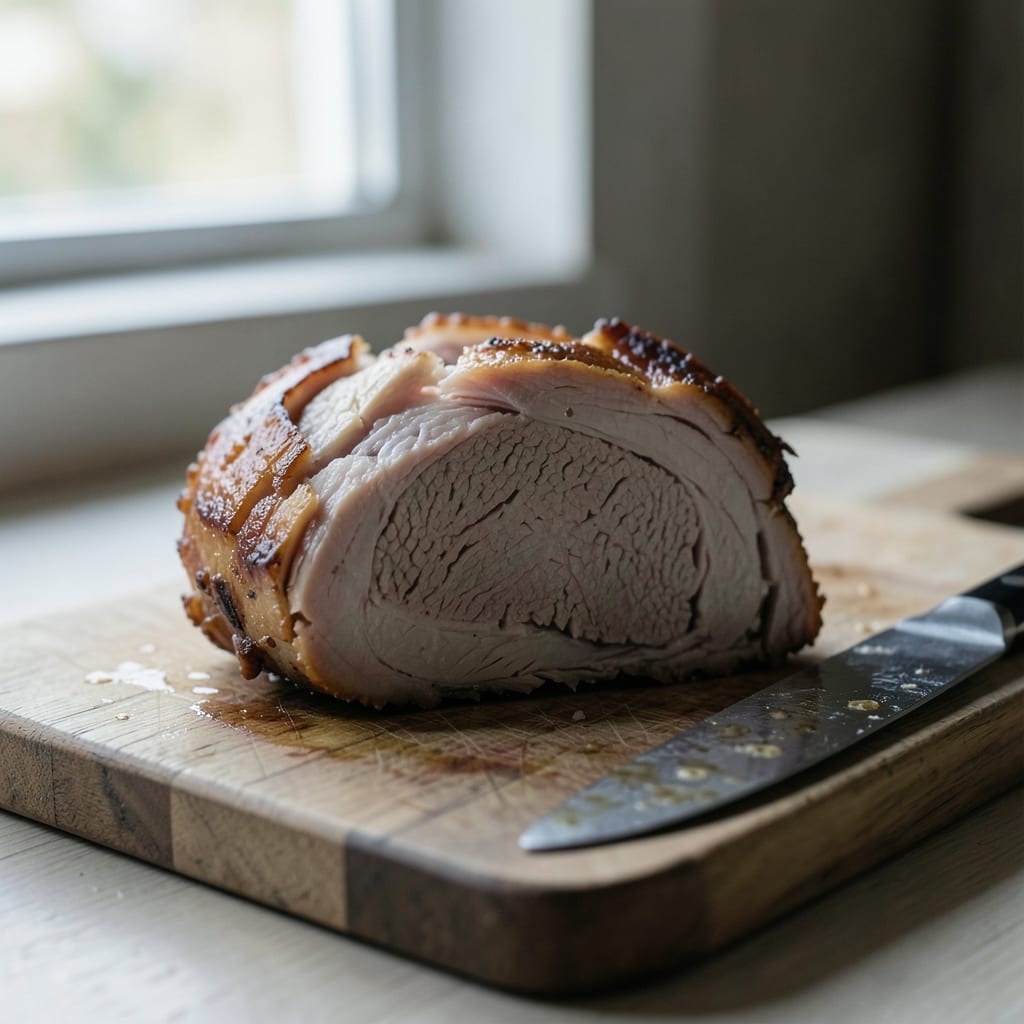
If a recipe fails, check the units first: this site uses metric by default, but imperial conversions are listed. Next, verify your tools—some techniques (like whipping cream) need specific equipment. Finally, read the ‘Common mistakes’ section at the bottom of the page.
Before you give up
- Double-check that your oven thermostat matches the recipe’s temperature
- Confirm whether the recipe assumes fresh or dried herbs (they’re not the same)
- Look for a ‘Make ahead’ note—some dishes need resting time
- Try the troubleshooting section for that specific ingredient or technique
Who we are

This site is built by someone who learned to cook by watching, tasting, and fixing mistakes—and who still does.
| The colophon | |
|---|---|
| Written by | Bernadette Ellsworth, who tests every recipe in her own kitchen and edits them until they’re foolproof |
| Tested in | A 1970s kitchen with mismatched pans, a stubborn cast-iron skillet, and a fridge that hums too loudly |
| Written with | A well-used copy of *The Silver Spoon*, a food scale that’s seen better days, and a notebook full of scribbled adjustments |
| Learned from | Her mother, who measured by taste rather than teaspoons, and a high school chemistry teacher who explained why some cheeses curdle |
| Still getting wrong | The exact moment to pull pie crust from the oven—it’s always either too pale or too dark |
The best recipes are the ones that feel like they were made for you, not just copied from a page. Here, you’ll find the ones that work—and the confidence to adapt them.
If you need something that is not here
If you’re looking for a recipe that isn’t listed or a technique we haven’t covered, start with the search bar—half the time, the answer is buried in a related guide. For requests or questions about specific dishes, the contact page is the best place to ask.
We’ll let you know if we can help or if we need to point you elsewhere.
The recipes are grouped by category: Appetizers, Beverages, Breakfast & Brunch, Desserts, Main Courses and Reviews.