
Appetizers
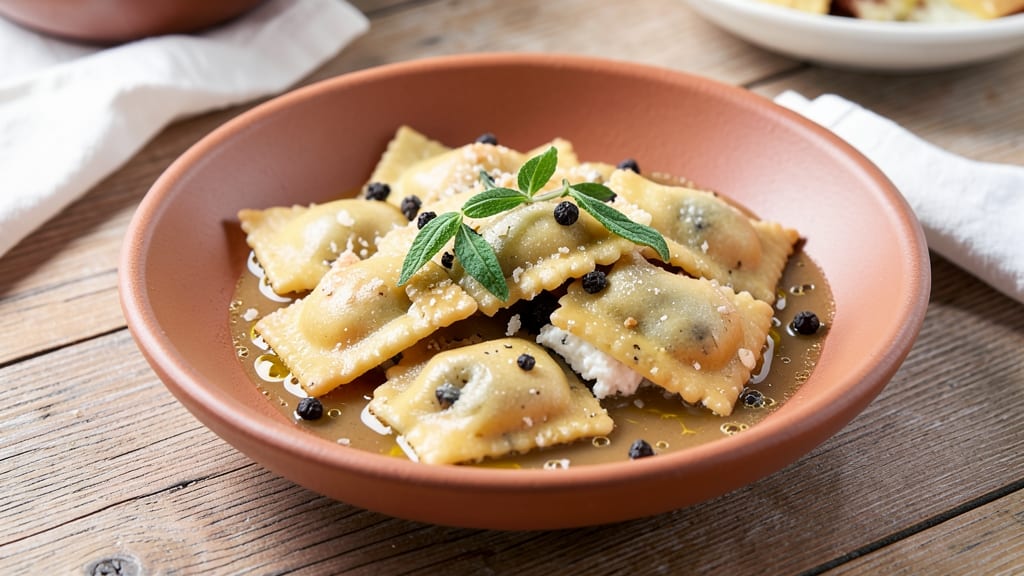
This authentic cheese ravioli recipe brings the soul of Italian nonna kitchens to your home table—handmade pillows with a buttery, browned crust that melts in your mouth. 💛 The secret lies in three key elements: a delicate dough that's just firm enough to hold its shape, a rich ricotta-parmesan filling infused with nutmeg and herbs, and the perfect al dente boil that transforms them into restaurant-quality bites.
I've perfected this recipe over years of testing, ensuring every pinch and roll delivers that signature tender-crisp texture.
The dough starts with simple ingredients—flour, eggs, and water—but the technique makes all the difference. We'll roll it paper-thin for delicate pillows, then fill with a creamy cheese mixture that's the heart of every bite.
The filling balances tangy parmesan with mild ricotta, finished with fresh herbs and a pinch of nutmeg for that authentic Italian flavor profile. What sets this apart is the attention to detail in sealing the ravioli—no leaks, no uneven edges—just perfectly shaped pillows ready for the pot.
When boiled just right, these ravioli achieve that coveted texture: tender centers with a slight resistance, ready to be tossed in brown butter and sage or a classic tomato sauce. The crust develops a beautiful golden-brown crust from the residual starch, adding another layer of flavor.
This is the kind of dish that makes you feel like you've been transported to a trattoria in Tuscany, where every bite feels like a little culinary masterpiece.
The best part? These ravioli taste even better the next day, making them perfect for meal prep or special occasions. Whether you're serving them as a first course or a hearty main with a side salad, this recipe delivers the authentic experience without the fuss of restaurant-level techniques.
Let's get started on creating these handmade pillows that will impress even the most discerning palates.
Ingredients for authentic cheese ravioli
These twelve ingredients transform into golden ravioli with a buttery crust that melts in your mouth—just like nonna used to make. 💛
| Ingredient | Amount | Notes |
|---|---|---|
| All-Purpose Flour 🌾 | 2 cups | Sifted for light texture |
| Large Eggs 🥚 | 3 whole | Room temperature for even mixing |
| Water 💧 | ½ cup | Cold for elasticity |
| Parmesan Cheese 🧀 | 1 ½ cups | Freshly grated, block preferred |
| Whole Milk Ricotta 🧈 | 15 oz | Full-fat for creaminess |
| Large Egg Yolks 🥚 | 2 whole | For binding filling |
| Fresh Nutmeg 🌿 | ¼ tsp | Freshly grated for warmth |
| Fresh Basil Leaves 🌿 | ¼ cup | Chopped, stems removed |
| Fresh Parsley Leaves 🌿 | ⅛ cup | Chopped, for brightness |
| Unsalted Butter 🧈 | 2 tbsp | For browned crust |
| Diamond Crystal Kosher Salt 🧂 | ½ tsp | Fine grain preferred |
| Freshly Ground Black Pepper 🌶️ | ¼ tsp | For filling seasoning |
The flour and eggs are your foundation, but the Parmesan and ricotta make this ravioli sing. Grab a wedge of Parmigiano-Reggiano from the deli counter—pre-grated loses its magic. For the ricotta, full-fat is non-negotiable—it's what gives those pillows that luscious texture. I always buy my flour from King Arthur for that perfect balance of protein and gluten. The nutmeg? Freshly grated makes all the difference—pre-ground tastes like sawdust. If you're short on herbs, dried basil at half the amount works in a pinch, but fresh is ideal.
No fresh basil? Dried oregano at one-third the amount adds depth, but nothing beats the real thing. The egg yolks are crucial—they bind the filling so it doesn't leak when boiling. If you're making a big batch, room temperature eggs blend smoother (just take them out 30 minutes before mixing). The butter for browning? European-style butter like Plugrá has more fat, so it gives that perfect golden crust. For the flour, if you can't find King Arthur, Bertolli or Caputo are great backups—just make sure it's 00 flour if you're feeling fancy, but all-purpose works perfectly fine for home cooks.
These ravioli keep beautifully—3 days in the fridge once boiled, or 2 months frozen on a tray before bagging. I always make extra because they taste even better the next day! For freezing, lay them out on a tray first so they don't stick together. Once frozen solid, transfer to a bag and they'll be ready for a quick boil whenever you crave that restaurant-quality bite. The dough can be made a day ahead and wrapped in plastic—just bring it to room temp before rolling.
Why You'll Love This Recipe
- No-Fuss Dough: The dough is just flour, eggs, and water—no fancy ratios, no stress. I swear by the "pinch of salt" trick to keep it silky, and honestly? You can’t mess it up.
- Creamy Cheese Magic: That whole milk ricotta and parmesan combo? It’s the real deal—rich but not heavy, with a pull-apart texture that’s dangerously satisfying. (Yes, even on a Tuesday night.)
- Weeknight to Dinner Party: Same dough, same filling, but suddenly it’s fancy when you serve it with a brown butter sage sauce. I’ve made this for date nights and potlucks—no one ever guesses how unfussy it is.
- Leftovers That Don’t Suck: Freeze half the batch raw, and boom—homemade ravioli for lazy days. Toss them in a pan with garlic and olive oil, and suddenly you’ve got dinner. My kids’ favorite? The ones that get slightly crispy around the edges.
Step-by-step instructions for authentic cheese ravioli
Here's how to craft pillowy, handmade ravioli with that perfect buttery crust—just like Nonna used to make.
👨🍳 Step 1: Make the Dough with Perfect Elasticity
In a large bowl, combine the 2 cups all-purpose flour and 0.5 tsp diamond crystal kosher salt. Sift through a fine-mesh sieve to aerate the flour—this creates lighter dough. Make a well in the center and add the 3 whole large eggs and 0.5 cup cold water. Use a fork to gradually incorporate the flour into the wet ingredients.
Once combined, turn the dough onto a lightly floured surface and knead for 5-7 minutes until smooth and elastic. I press down firmly with the heels of my hands—this develops gluten without overworking. Wrap the dough tightly in plastic wrap and rest at room temperature for 30 minutes. This resting period relaxes the gluten, making it easier to roll thin.
👨🍳 Step 2: Prepare the Creamy Ricotta Filling
In a medium bowl, combine the 15 oz whole milk ricotta, 1.5 cups freshly grated parmesan cheese, 2 whole large egg yolks, 0.25 tsp freshly grated nutmeg, 0.25 cup chopped fresh basil leaves, and 0.125 cup chopped fresh parsley leaves. Mix gently with a rubber spatula—overmixing incorporates air, which can make the filling too light for proper filling.
Season with 0.5 tsp diamond crystal kosher salt and 0.25 tsp freshly ground black pepper. Taste the mixture—it should be rich and well-seasoned. If it feels too wet, add 1-2 tablespoons of the reserved flour from the dough to help bind it. Cover and refrigerate while you roll out the dough.
🍳 Step 3: Roll the Dough Paper-Thin
Divide the rested dough into 4 equal pieces (about 8 oz each). Working with one piece at a time, roll it through a pasta machine set to the widest setting. Fold the dough in half like a letter, then roll again. Repeat this process 2-3 times to evenly distribute the gluten.
Gradually decrease the pasta machine settings, rolling the dough through each thickness until you reach setting #3 or #4—this should yield dough about 1/16-inch thick. Dust the dough with flour as needed to prevent sticking. Keep the other pieces covered to prevent drying.
🥘 Step 4: Cut and Fill the Ravioli
Use a 3-inch round cutter (or a glass) to cut circles from the rolled dough. Place 1 teaspoon of the ricotta filling in the center of each circle. Fold the dough over the filling, pressing gently around the edges with your fingers to seal—leave a small opening to prevent leaks. Press firmly to create a tight seal.
For a professional finish, use a small rolling pin to gently press along the edges, creating a clean border. Arrange the filled ravioli on a floured baking sheet. If the dough feels sticky, dust with more flour, but don't overdo it—too much flour makes the dough tough.
🔥 Step 5: Cook to Al Dente Perfection
Bring a large pot of salted water to a rolling boil. Add the ravioli in batches—don't overcrowd the pot or they'll stick together. Stir gently to prevent sticking. Cook for 3-4 minutes until they float to the surface and are al dente (they'll finish cooking in the sauce).
Reserve 1 cup of pasta water, then drain the ravioli. Toss immediately with 2 tablespoons unsalted butter in a large skillet over medium heat. Add a splash of the reserved pasta water to create a light sauce. Serve immediately with additional grated parmesan cheese and freshly ground black pepper. The crust should be golden and crispy, while the filling remains creamy and rich.
Pro Tips For Making Authentic Cheese Ravioli
- Chill the Dough: DESCRIPTION: Roll out the pasta dough only after it’s been wrapped and refrigerated for at least 30 minutes. I used to skip this, and the dough stuck to everything like glue—now it slides through the roller like butter. Cold dough also cracks less when you cut those tiny squares.
- Grate Parmesan Fresh: DESCRIPTION: Skip the pre-grated stuff—it’s full of anti-caking agents that make your filling taste dull. Use a microplane or fine grater right before mixing with the ricotta. The cheese stays sharp, and the ravioli hold their shape better during cooking.
- Don’t Overwork the Filling: DESCRIPTION: Mix the ricotta and Parmesan just until combined—overmixing makes the filling dense and gummy. Stir in a splash of egg yolk (about 1 tablespoon) to bind it lightly, but resist the urge to fold it like bread dough. Less handling = lighter ravioli.
- Boil in Batches: DESCRIPTION: Crowd the pot, and the ravioli stick together like a sad, cheesy blob. Use a large pot with plenty of salted water (about 4 quarts per pound of ravioli) and cook in 2-3 batches. They’re done when they float—test one, then drain immediately. No waiting.
Dietary considerations for this recipe
Gluten-Free Adaptations
For a gluten-free version, replace the all-purpose flour with a 1:1 gluten-free flour blend like Bob's Red Mill 1-to-1, which contains xanthan gum for elasticity. The dough will be more delicate, so handle it gently when rolling—avoid overworking or it may tear.
I've found that adding 1 extra tablespoon of cold water helps bind the dough better. For sealing, use a tiny dab of water around the edges to create a strong bond. 💡
Dairy-Free Options
Swap the ricotta for dairy-free ricotta like Violife or make your own with blended silken tofu, lemon juice, and nutritional yeast for tang. Replace parmesan with nutritional yeast (about 1.5 cups) and add 1 tsp garlic powder for depth.
The filling will be lighter, so add 1 extra egg yolk to help bind. Toss cooked ravioli in olive oil instead of butter for serving.
Lower-Carb Modifications
Reduce the dough to 1 cup almond flour plus 1 tbsp psyllium husk powder (for binding) mixed with 2 egg whites and 2 tbsp water. The filling remains the same but use half the cheese to cut carbs.
For extra flavor, add 1 tbsp lemon zest to the filling. These ravioli are best pan-fried in avocado oil until crispy for a lower-carb twist.
Vegan Cheese Filling
Create a vegan filling with 15 oz cashew cream (soaked cashews blended with ¼ cup water), 1.5 cups vegan parmesan, 2 tbsp nutritional yeast, and 1 tbsp lemon juice. Add 1 tbsp tapioca starch to thicken.
For the dough, use a vegan egg substitute like 1 tbsp ground flaxseed + 3 tbsp water mixed with 2 tbsp olive oil instead of eggs. The texture will be slightly denser but still delicious! 🌱
Allergen-Friendly Tips
For nut allergies, use sunflower seed flour instead of almond flour in lower-carb versions. Always check labels on pre-made gluten-free blends for cross-contamination warnings. When serving, keep dairy-free and gluten-free ravioli separate to avoid flavor transfer.
I recommend labeling dishes clearly if serving mixed groups—it's a thoughtful way to ensure everyone enjoys safely.
Nutrition facts
Frequently asked questions about authentic cheese ravioli
Why does my ravioli dough keep sticking to the rolling pin?
This usually happens when the dough isn't rested long enough or you're using too much flour. Let the dough rest for the full 30 minutes before rolling, and dust only the surface—not the dough itself. If it's still sticky, chill it for 10 minutes first. Too much flour makes the dough tough, so work with just enough to prevent sticking.
Can I make the filling ahead of time?
The filling keeps well in the fridge for 2 days or can be frozen for 1 month. Just thaw it in the fridge overnight before using. For best texture, don't overmix when you bring it back to room temperature—just stir gently to recombine. The egg yolks help keep it stable during storage.
What's the best way to prevent leaks when sealing?
Use just 1 teaspoon of filling per ravioli—overfilling causes leaks. Press the edges firmly with your finger, then use a small rolling pin to seal tightly. Leave a tiny opening to release air while sealing, then close completely. For extra security, dip your finger in water before pressing the edges.
How do I know when the ravioli is cooked perfectly?
They're done when they float to the surface and are al dente after 3-4 minutes of boiling. They should have a slight resistance but not be hard. The filling should be warm but still creamy—overcooking makes it rubbery. Always reserve some pasta water to toss with butter for that signature sauce.