
Sauces & Condiments
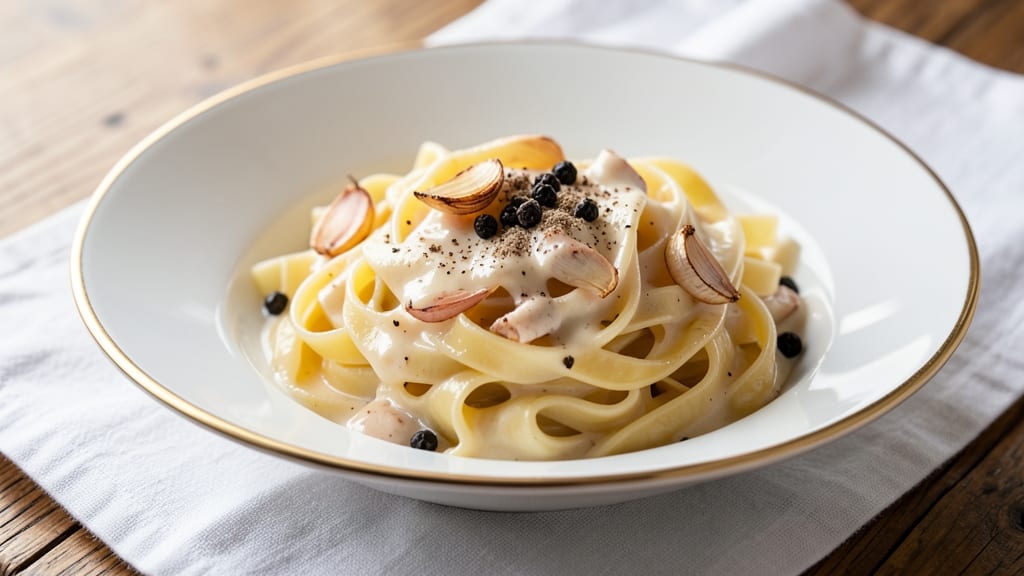
This Asiago cheese pasta sauce transforms simple noodles into a luxurious, nutty velvety dish that feels like an Italian restaurant special. 🌟 After years of perfecting the balance between rich cheese and al dente pasta, I've found the secret lies in using freshly grated Asiago for maximum flavor and a light broth base that doesn't weigh down the dish.
The foundation starts with perfectly cooked pasta—fettuccine or penne work best—tossed with butter and garlic before adding the cheese sauce. This foolproof method ensures the sauce clings beautifully to each strand without turning gloppy.
The key is low-and-slow heating, allowing the Asiago to melt into a smooth, creamy blanket rather than separate.
What you'll end up with is a dish that's elegant yet comforting: tender pasta coated in a luxuriously creamy sauce with deep nutty notes from the Asiago. The sauce should be thick enough to coat but light enough to let the pasta shine through.
Garnish with fresh parsley or black pepper for a touch of brightness that cuts through the richness.
This recipe scales beautifully for weeknight dinners or dinner parties, and the leftovers reheat perfectly. Pair with a simple green salad or roasted vegetables for a complete meal that feels restaurant-worthy without the fuss.
Ingredients for asiago cheese sauce recipe pasta
Perfectly balanced ingredients for a restaurant-style Asiago cheese pasta sauce that's luxurious yet simple.
| Ingredient | Amount | Notes |
|---|---|---|
| Fettuccine Pasta 🍝 | 12 oz | Dry weight, al dente preferred |
| Asiago Cheese 🧀 | 2 cups | Freshly grated from block |
| Unsalted Butter 🧈 | ½ cup | Cold, cut into small pieces |
| Garlic Cloves 🧄 | 3 cloves | Minced, fresh preferred |
| Heavy Cream 🥛 | ½ cup | Full-fat for creaminess |
| Chicken Broth 💧 | 1 cup | Low-sodium preferred |
| Fresh Parsley 🌿 | ¼ cup | Chopped, for garnish |
| Ground Black Pepper 🌶️ | ½ tsp | Freshly ground preferred |
| Salt 🧂 | 1 tsp | Kosher or sea salt |
| White Wine 🍷 | ¼ cup | Dry, optional for depth |
| All-Purpose Flour 🌾 | 1 tbsp | For thickening if needed |
The Asiago cheese is non-negotiable here—freshly grated from a block makes all the difference. Whole Foods or specialty cheese shops carry the best quality, but any well-stocked grocery store should have it. Look for a wedge with vibrant color and minimal rind. The butter should be cold and unsalted—I always grab European-style butter from Trader Joe's or Costco for that extra richness. Garlic? Fresh is ideal, but if you're using jarred, make sure it's labeled 'minced' and not pre-cooked. The chicken broth should be low-sodium to avoid over-salting the sauce.
No Asiago? Parmigiano-Reggiano works in a pinch, but it won't give that same nutty depth. Fresh parsley wilting? Dried parsley at one-third the amount gets you close. Running out of heavy cream? Half-and-half or whole milk will work, though the sauce may be slightly lighter. The white wine is optional but adds a lovely brightness—any dry white like Sauvignon Blanc works. For the pasta, fettuccine or penne are ideal, but any medium-width noodle will do. If your sauce gets too thin, the flour slurry is your secret weapon—just mix 1 tbsp flour with 1 tbsp cold water and stir in.
Store any leftovers in an airtight container for up to 3 days in the fridge. The sauce reheats beautifully—just add a splash of milk or broth to loosen it up. For freezing, portion into 1-cup containers and freeze for up to 3 months. Garnish with extra parsley or a crack of black pepper right before serving to keep that restaurant-quality presentation. The sauce thickens as it cools, so don't worry if it looks a bit loose right after making.
Why You'll Love This Recipe
- No-Fuss Weeknight Win: I swear, this is the pasta I make when I’ve got exactly 20 minutes and zero patience. Toss fettuccine in boiling water, melt butter with garlic until it smells like a cozy Italian bistro, then stir in that nutty Asiago until it’s silky smooth. Honestly? It’s the kind of meal that makes you wonder why you ever complicate things.
- Nutty Creamy Magic: The Asiago here isn’t just any cheese—it’s got that sharp, aged kick that balances the richness of the heavy cream. Add a splash of pasta water, and suddenly you’ve got a sauce that clings to every strand like it’s been simmering for hours. (Yes, even on a Tuesday night.)
- Leftover Goldmine: This sauce begs to be made extra because it reheats like a dream. Next-day fettuccine? Even better—cheese gets crispier, edges caramelize, and it turns into my go-to lazy lunch or quick dinner. Between us, I’ve eaten it cold straight from the fridge. Don’t judge.
- Budget-Friendly Luxe: You’re basically making restaurant-quality pasta for pennies. Heavy cream and Asiago sound fancy, but they stretch far, and the butter? A single stick does the whole dish. Plus, fettuccine’s cheap enough that I can feed four people without breaking the bank—or my willpower to stop at one serving.
Step-by-step instructions for Asiago cheese pasta sauce
Here's how to craft that perfect nutty, velvety sauce that clings beautifully to al dente fettuccine.
🍳 Step 1: Cook the Pasta to Al Dente Perfection
Bring a large pot of water to a rolling boil and add 12 oz of fettuccine pasta. Season the water generously with salt—it should taste like the sea. Cook the pasta for 1 minute less than the package instructions specify for al dente texture. You want the pasta to have a slight bite to it when you bite into it.
While the pasta cooks, I like to reserve 1 cup of the starchy pasta water before draining. This golden liquid is liquid gold for creating a silky sauce. Keep it nearby—you'll need it later to adjust the sauce consistency. Drain the pasta and set it aside, covered with a kitchen towel to keep it warm.
🔥 Step 2: Sauté Garlic in Butter Until Fragrant
In a large skillet, melt 0.5 cup of cold unsalted butter over medium heat. Add the 3 minced garlic cloves and sauté for 30-45 seconds until they're golden and fragrant—not browned, just perfumed. This quick cooking prevents the garlic from burning and imparts its sweet, nutty flavor to the butter.
Here's the thing—don't walk away. Garlic burns faster than you think. You'll know it's ready when the kitchen smells like a garlic festival and the butter has turned a pale golden color. Remove the skillet from heat immediately after the garlic is fragrant to preserve its delicate flavor.
🥘 Step 3: Build the Sauce Base with Wine and Broth
Return the skillet to medium heat and carefully pour in the 0.25 cup white wine. Let it simmer for 1-2 minutes until it reduces by half and the alcohol aroma has cooked off. This deglazing step captures all those browned bits from the garlic cooking and creates a flavorful foundation for your sauce.
Next, stir in the 1 cup chicken broth and bring the mixture to a gentle simmer. Let it cook for 3-4 minutes until it reduces slightly and the flavors meld together. This step builds depth in your sauce—don't skip it. The broth adds umami and helps create a well-rounded flavor profile.
🍳 Step 4: Create a Silky Asiago Cheese Sauce
Reduce the heat to low and gradually whisk in the 2 cups freshly grated Asiago cheese until it melts completely into the sauce. This might take 2-3 minutes of constant stirring. The cheese should create a thick, velvety sauce that coats the back of a spoon.
If the sauce starts to look too thick, add 2-3 tablespoons of the reserved pasta water, one at a time, until you reach your desired consistency. The sauce should be smooth and glossy, clinging to a spoon without being too thin. Here's where that starchy pasta water comes in handy—it helps emulsify the sauce for that perfect texture.
🥘 Step 5: Finish with Cream and Seasonings
Stir in the 0.5 cup heavy cream and 1 tbsp all-purpose flour to thicken the sauce further. Let the mixture simmer gently for 1-2 minutes until it reaches a luxurious, creamy consistency. The flour acts as a natural thickener while the cream adds richness and a silky texture.
Season the sauce with 1 tsp salt and 0.5 tsp freshly ground black pepper. Give it a final taste and adjust the seasoning if needed. The sauce should be well-seasoned but not overwhelmingly salty. Stir in the 0.25 cup chopped fresh parsley for a pop of color and freshness that brightens the rich cheese sauce.
🍽️ Step 6: Combine and Serve Immediately
Add the cooked fettuccine to the skillet with the sauce and toss gently to coat each strand evenly. The residual heat from the pasta will help melt any remaining cheese and create a perfect sauce-to-pasta ratio. Serve immediately while the pasta is still al dente and the sauce is at its peak creamy texture.
This Asiago cheese sauce should cling beautifully to each strand of pasta, creating that perfect nutty, velvety blanket you're after. The sauce should be rich but not heavy, with a perfect balance of creaminess and cheesy depth. Garnish with additional parsley if desired and enjoy your restaurant-quality pasta dish.
Pro Tips For Making Asiago Cheese Sauce Recipe Pasta
- Melt Butter Slowly: Start with low heat—you’re not frying garlic here, you’re making a sauce. Too much heat and the butter burns before the garlic softens, leaving a bitter taste that even Asiago can’t save. Let that butter foam gently, then add the garlic once it’s shimmering, not sizzling.
- Grated Cheese Only: Skip the block—pre-grated Asiago hides anti-caking agents that turn your sauce grainy. Use a box grater or food processor, and keep it cold while grating. Warm cheese melts faster and smoother, but cold cheese won’t clump like a science experiment gone wrong.
- Save the Starch: Don’t drain the pasta water completely—reserve a cup. The starchy water is your sauce’s secret weapon. A splash or two when combining the sauce and pasta makes it silkier and clings better. (Yes, even if you’re the type who rinses pasta—don’t.)
- Finish with Cream: Add the heavy cream off the heat. Sauces curdle when they boil, and cream is no exception. Stir it in just before serving, or let it sit for 30 seconds to warm through gently. Your sauce will stay rich, not split like a bad soufflé.
Regional styles of these flavors
Italian Northern Style
In Northern Italy, Asiago cheese sauce is often paired with tagliatelle or pappardelle rather than fettuccine, creating a rustic yet elegant dish. The sauce there typically includes a splash of white wine and a pinch of nutmeg—about ¼ tsp—to complement the nutty Asiago.
I first tasted this version in a tiny trattoria in Verona, where the chef used aged Asiago for a deeper, more complex flavor. 🌟
For an authentic touch, substitute the heavy cream with whole milk and add 1 tbsp olive oil to the sauce base. The Italians often finish with freshly cracked black pepper and a sprinkle of grated lemon zest to brighten the richness.
Serve with a side of roasted Brussels sprouts or a simple arugula salad with lemon vinaigrette.
Southern Italian Twist
Down south, the approach is lighter—think spaghetti with a thin Asiago sauce infused with garlic, chili flakes (½ tsp), and a touch of anchovy paste (½ tsp) for umami depth.
I learned this version from a Sicilian chef in Naples, where the sauce was barely thick enough to coat the pasta, allowing the noodles to shine. The key is using young Asiago for a milder, fresher taste.
For this variation, reduce the butter to ¼ cup and skip the heavy cream. Instead, stir in 2 tbsp grated Pecorino Romano at the end for a tangy contrast.
Finish with red pepper flakes and a drizzle of extra virgin olive oil. Pair with grilled zucchini or a tomato-basil salad to balance the richness.
American Comfort Version
In the US, we love to take this dish further by adding grilled chicken or sautéed mushrooms to the sauce. I often make a batch on Sundays, tossing in 1 cup sliced cremini mushrooms when building the sauce base.
The mushrooms add an earthy depth that pairs perfectly with the nutty Asiago. For extra comfort, stir in ½ cup shredded mozzarella at the end for a gooey texture.
This version is perfect for family dinners. Serve with a side of garlic bread and a simple Caesar salad. If you want to make it extra hearty, add ½ cup cooked white beans or diced ham to the sauce.
The sauce will thicken as it cools, so don't worry if it looks a bit loose right after combining with the pasta.
Vegetarian Protein Boost
For a vegetarian-friendly twist, swap the chicken for crispy roasted chickpeas or sautéed spinach. I love adding 2 cups wilted spinach to the sauce in the final minute of cooking—it wilts beautifully and adds a vibrant green color.
For extra protein, stir in ½ cup crumbled feta cheese at the end for a tangy contrast to the Asiago.
This version works wonderfully with whole wheat pasta for added fiber. Garnish with toasted pine nuts (2 tbsp) and a sprinkle of fresh thyme for an elegant touch. Serve with a side of roasted asparagus or a quinoa salad for a complete, balanced meal.
Nutrition facts
Frequently asked questions
Can I substitute Asiago cheese with something else?
For a similar nutty flavor, try Parmigiano-Reggiano or Gruyère—both work well but may lack Asiago's signature depth. If you're avoiding dairy, nutritional yeast (2 tbsp) adds a cheesy umami without the fat. Just note the texture will be lighter.
Why did my sauce turn grainy instead of creamy?
This usually happens when cheese melts too quickly over high heat. Always use low heat when adding cheese and stir constantly. For extra smoothness, whisk in 1 tbsp cold water per ½ cup cheese before adding to the sauce. The key is patience—rushing causes separation!
How do I make this sauce ahead of time?
Prepare the sauce completely (without pasta) and store it in an airtight container for up to 3 days in the fridge. To reheat, warm gently on low heat with 1-2 tbsp milk or broth to restore creaminess. For freezing, portion into 1-cup containers and thaw overnight in the fridge—never microwave directly from frozen.
What's the best pasta shape for this sauce?
Medium-width noodles work best—fettuccine, pappardelle, or penne are ideal. Ribbon shapes (like fettuccine) catch sauce beautifully, while tubular pasta (like penne) holds it inside. For extra texture, try farfalle or gemelli—just reduce sauce by ¼ cup since they absorb more.
Can I make this gluten-free?
Yes! Use gluten-free pasta (like brown rice or chickpea-based) and ensure your flour is certified GF. For extra richness, add 1 tbsp cornstarch to the sauce instead of regular flour. The sauce will still cling perfectly—just stir in the pasta water more carefully to maintain texture.