
Salads
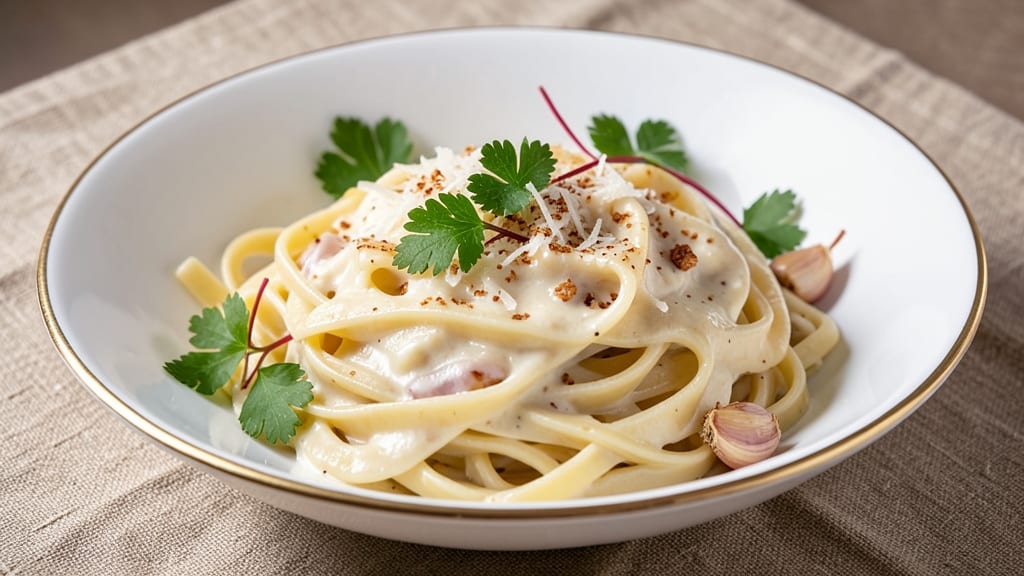
This Alfredo cheese pasta recipe delivers creamy, parmesan-rich perfection with al dente noodles that balance tender texture and satisfying bite. The secret lies in a velvety sauce made from scratch—no powdered shortcuts—where butter and cream blend seamlessly with freshly grated parmesan for depth that bottled versions can't match.
What sets this apart is the technique: simmering the sauce just until it thickens without breaking, then finishing it with a splash of pasta water to ensure a silky, cling-worthy consistency.
Starting with high-quality fettuccine or tagliatelle is non-negotiable; these wide noodles cradle the sauce beautifully while their ridges trap every creamy bite.
The sauce itself requires only five ingredients but demands attention: butter must melt completely, cream must simmer gently to avoid curdling, and parmesan must be added gradually to prevent graininess.
A quick tip—reserve some pasta water before draining, as it's the magic ingredient that keeps the sauce from turning stiff once mixed with the noodles.
The result is a dish that feels indulgent yet balanced: rich enough to satisfy cravings but light enough for a weeknight dinner. Each forkful delivers that signature alfredo experience—creamy, cheesy, and perfectly textured—without the heaviness of overly thick sauces.
For extra protein, add seared chicken or sautéed mushrooms, but the classic version shines on its own with a sprinkle of fresh parsley and extra parmesan.
Ready in under 30 minutes, this recipe transforms simple pantry staples into restaurant-quality comfort food. The key is timing: cook the pasta just before assembling the sauce so it absorbs flavor without turning mushy.
Serve immediately with a side salad or garlic bread to round out the meal—every bite is proof that homemade alfredo beats takeout every time.
Ingredients for alfredo cheese pasta
High-quality noodles, rich butter, and freshly grated parmesan create this restaurant-style alfredo masterpiece.
| Ingredient | Amount | Notes |
|---|---|---|
| Fettuccine or Tagliatelle 🍝 | 12 oz | High-quality dried pasta |
| Unsalted Butter 🧈 | ½ cup | European-style preferred |
| Heavy Cream 🥛 | 1 cup | Full-fat for richness |
| Parmesan Cheese 🧀 | 1 ½ cups | Freshly grated from block |
| Garlic Cloves 🧄 | 3 cloves | Minced for sauce foundation |
| Fresh Parsley 🌿 | ¼ cup | Chopped for garnish |
| Diamond Crystal Kosher Salt 🧂 | 1 tsp | For pasta water |
| Black Pepper 🌶️ | ½ tsp | Freshly ground preferred |
| Extra-Virgin Olive Oil 🫒 | 1 tbsp | For finishing sauce |
The foundation starts with fettuccine or tagliatelle—avoid pre-cooked or thin varieties, as they won't hold the sauce properly. Whole Foods or specialty Italian markets carry the best brands like De Cecco or Barilla. For the parmesan, skip the pre-grated kind—it contains anti-caking agents that make the sauce grainy. Look for Parmigiano-Reggiano from Italy, preferably aged 24 months for maximum depth. The butter should be European-style, with at least 82% fat content, to ensure a velvety texture rather than a greasy one. Store your pasta in an airtight container in a cool, dry place to prevent staling.
No heavy cream? Full-fat coconut milk works in a pinch, though the flavor will differ slightly. Fresh parsley can be swapped for dried parsley at one-third the amount, but fresh adds vibrant color and a bright finish. If you're short on time, pre-minced garlic from a jar is acceptable, though freshly minced garlic develops more complex flavors. For a vegetarian-friendly option, ensure your butter and cream are dairy-free if needed. The olive oil should be extra-virgin, with a peppery finish—California or Italian varieties like Bertolli or Colavita work well. Always taste as you go; the sauce should be creamy but not heavy, with a balance of salt and pepper.
This dish is best served immediately, but leftovers can be stored in an airtight container for up to 3 days in the refrigerator. Reheat gently over low heat, adding a splash of milk or pasta water to restore creaminess. For freezing, portion the sauce separately from the pasta—it keeps for up to 2 months when frozen in airtight containers. To reheat, thaw overnight in the fridge and warm slowly on the stove. Garnish with extra parmesan and parsley just before serving to maintain freshness.
Why You'll Love This Recipe
- No-Fuss Weeknight Win: I swear by this when I’ve got 20 minutes and zero energy—just boil the pasta, melt butter and cream, grate the cheese, and toss. The sauce comes together while the water’s still hot, no waiting around.
- Creamy Garlic Bliss: That first bite of buttery fettuccine coated in rich, garlicky cream? It’s the kind of flavor that makes you pause mid-chew. The Parmesan melts into the sauce just enough to be velvety, not grainy—pure satisfaction in a bowl.
- Leftovers That Don’t Suck: Unlike some saucy dishes, this reheats like a dream. Cold or warmed, it’s still creamy and delicious—perfect for packing lunches or feeding a crowd when you’re too tired to cook again.
- Budget-Friendly Luxury: Heavy cream and Parmesan might sound fancy, but you’re using small amounts that stretch far. A single block of cheese and a stick of butter go a long way, making this feel indulgent without breaking the bank.
Step-by-step instructions for alfredo cheese pasta
Master this classic Italian dish with perfectly al dente pasta and velvety Parmesan sauce.
Cook the Pasta to Al Dente Perfection
Bring a large pot of water to a rolling boil and add the 1 tsp Diamond Crystal kosher salt. Once boiling, add the 12 oz fettuccine or tagliatelle and cook according to package directions, but start checking for doneness 1 minute before the suggested time. The pasta is perfect when it's al dente—firm to the bite with a slight resistance when you press between your teeth with your tongue.
I like to reserve 1 cup of pasta water before draining, as this starchy liquid is essential for creating a silky sauce. Don't rinse the pasta—those surface starches help the sauce cling beautifully to each strand. Drain the pasta and set it aside, covered, while you prepare the sauce.
Create the Creamy Parmesan Base
In a large skillet, melt the ½ cup unsalted butter over medium-low heat until it's fully liquid but not browned. Add the 3 cloves minced garlic and cook for 30 seconds until fragrant—don't let it brown or it'll turn bitter. Immediately reduce heat to low to prevent burning.
Pour in the 1 cup heavy cream and stir to combine. Let the mixture simmer gently for 3-4 minutes until it begins to thicken slightly. This slow cooking process prevents curdling and creates a smooth foundation for your sauce. Keep stirring occasionally to ensure even heating.
Incorporate the Parmesan for Richness
Gradually add the 1½ cups freshly grated Parmesan cheese, stirring constantly to prevent clumping. The cheese should melt completely into the cream, creating a thick, velvety sauce. If the mixture becomes too thick before all the cheese dissolves, add 1-2 tablespoons of reserved pasta water to loosen it.
Continue cooking for another 2-3 minutes until the sauce coats the back of a spoon smoothly. Taste and adjust seasoning with ½ tsp freshly ground black pepper and a pinch more salt if needed. The sauce should be rich but not overly salty—remember, the pasta already has salt from cooking.
Combine Pasta and Sauce
Add the drained pasta to the skillet with the sauce and toss gently to coat each strand evenly. If the sauce seems too thick, add more reserved pasta water 1 tablespoon at a time until it reaches your desired consistency—it should cling lightly to the pasta without being watery.
Cook for an additional 1-2 minutes on the stovetop to allow the flavors to meld completely. The residual heat will finish cooking the pasta slightly while absorbing the sauce. Remove from heat and let it rest for 1 minute before serving.
Finish and Garnish Professionally
Transfer the pasta to serving plates and drizzle with the 1 tbsp extra-virgin olive oil. This final touch adds brightness and prevents the sauce from becoming overly heavy. Sprinkle generously with the ¼ cup chopped fresh parsley for color and freshness.
Serve immediately while the sauce is still warm and silky. Each bite should deliver perfectly al dente pasta coated in a luxurious Parmesan cream sauce with just the right balance of richness and acidity from the olive oil. For an extra touch, pass additional grated Parmesan at the table.
Pro Tips For Making Alfredo Cheese Pasta
- Melt Butter Slowly: I learned this the hard way—dumping cold butter into simmering cream makes it seize up like a stubborn child. Instead, melt the butter first over medium-low heat, then whisk it into the warm cream gradually. The sauce will come together smoother, and you’ll avoid that dreaded grainy texture.
- Sauté Garlic Just Until: The garlic should smell like heaven, not like a hospital. Cook the minced cloves in butter for no more than 30 seconds—just until fragrant. Any longer, and you’ll get bitter notes that overpower the creamy sauce. (Yes, even if you’re impatient like me.)
- Reserve Pasta Water: This isn’t the prettiest method, but it’s the tastiest. Before draining your pasta, scoop out a cup of starchy water—it’s liquid gold for Alfredo. Toss the pasta in the sauce with a splash of this water; it helps bind everything together and keeps the sauce clinging like it’s supposed to.
- Grate Parmesan Fresh: Pre-shredded cheese is a crime in Alfredo sauce. It’s coated with anti-caking agents that turn your creamy sauce into a sad, clumpy mess. Grab a box of Parmesan and grate it yourself—it takes 30 seconds and makes a real difference. (Your future self will thank you.)
Serving suggestions for this alfredo cheese pasta
Classic Side Pairings
A simple arugula salad with lemon vinaigrette cuts through the richness beautifully. Toss 4 cups baby arugula with 2 tbsp extra-virgin olive oil and 1 tbsp fresh lemon juice, then top with ¼ cup toasted pine nuts and shaved Parmigiano-Reggiano.
The peppery greens refresh your palate after each creamy bite. 🥗
For a heartier option, serve with garlic bread made from a crusty Italian loaf like Ciabatta. Brush slices with 2 tbsp melted butter mixed with 1 minced garlic clove and toast until golden. The warm, buttery bread soaks up any lingering sauce on your plate.
Protein Add-Ins
For a more substantial meal, add seared chicken breast or sautéed mushrooms. Slice 2 boneless, skinless chicken breasts into strips, season with salt and pepper, then sear in 1 tbsp olive oil until golden. Toss the cooked chicken into the pasta just before serving. 🍗
For vegetarians, wild mushrooms add earthy depth. Sauté 1 cup sliced cremini mushrooms with 1 tbsp butter and ½ tsp thyme> until tender. Fold them into the pasta along with the sauce for a rich, umami boost.
Beverage Pairings
A crisp Italian white wine like Pinot Grigio or Vermentino complements the dish perfectly. The bright acidity cleanses your palate between bites of creamy pasta. For a non-alcoholic option, sparkling mineral water with a slice of lemon adds a refreshing contrast. 🍷
If you prefer beer, a light Italian lager such as Peroni or Moretti works beautifully. The subtle maltiness balances the richness without overpowering the dish. Avoid heavy stouts or IPAs, which can clash with the delicate sauce.
Presentation Tips
Serve the pasta in warm, shallow bowls to showcase the creamy sauce. Garnish with an extra drizzle of extra-virgin olive oil and a sprinkle of fresh parsley for vibrant color. For an elegant touch, use a golden spoon to transfer the pasta to plates. ✨
For a rustic touch, arrange the pasta on a wooden board and serve family-style. This casual presentation feels inviting and encourages sharing. Pair with a simple green salad on the side to round out the meal.
Nutrition facts
Frequently asked questions
Can I make this Alfredo cheese pasta recipe without heavy cream?
Yes! For a lighter version, substitute the heavy cream with 1 cup whole milk or ½ cup half-and-half mixed with ½ cup unsweetened almond milk. For extra richness, use ½ cup full-fat coconut milk, though the flavor will differ slightly. The sauce will be thinner but still delicious—just adjust with extra parmesan or a splash of pasta water to reach your desired consistency.
Why did my Alfredo sauce turn grainy?
Graininess usually happens when cheese doesn't melt smoothly or the sauce separates. To fix it, whisk in 1-2 tablespoons of hot pasta water to loosen the sauce, then simmer gently for 1-2 minutes while stirring constantly. For prevention, always add cheese gradually and keep heat at low-medium—never let it boil. Pre-grated cheese contains anti-caking agents that cause graininess, so grate your own from a block.
What's the best pasta shape for Alfredo sauce?
Fettuccine or tagliatelle are ideal because their wide, flat surfaces hold the creamy sauce beautifully. Ribbon-shaped pastas like pappardelle also work well, but avoid thin noodles like spaghetti—the sauce won't cling properly. For extra texture, try fettuccine with ridges, which trap even more sauce between each strand.
Can I make this ahead of time?
This dish is best served immediately, but you can prep components ahead: Cook the pasta 1 minute less than package instructions (it'll finish cooking in the sauce), then store it separately. Make the sauce up to 1 day ahead—store in an airtight container and reheat gently with a splash of milk or pasta water. When ready to serve, toss the cooled pasta with the reheated sauce and finish with fresh parsley and olive oil.
How do I prevent my Alfredo from turning out too heavy?
The key is balance: Use full-fat ingredients (butter, cream, parmesan) but don't overdo it—stick to the recipe measurements. Finish with a drizzle of extra-virgin olive oil (as in the recipe) to lighten the texture. For extra freshness, add ¼ cup chopped fresh basil or arugula on top before serving. Also, avoid overcooking the pasta—al dente noodles absorb sauce better than mushy ones.