
Main Courses
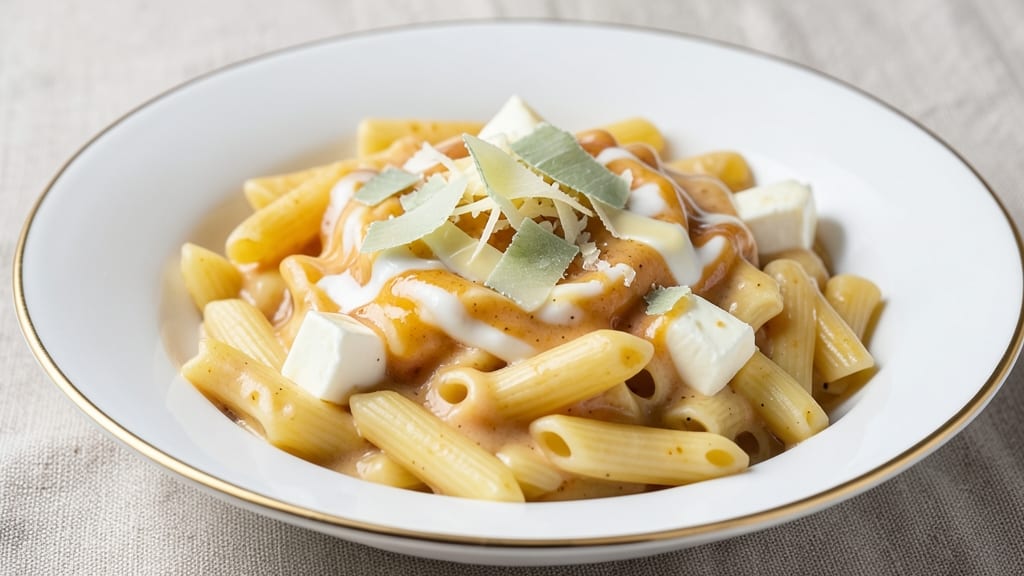
This Barilla gluten free mac and cheese recipe delivers all the creamy, cheesy comfort of classic mac without the gluten. The secret lies in Barilla's gluten-free pasta—it cooks up tender yet holds its shape perfectly, creating the ideal texture for that signature mac and cheese bite.
I've tested countless versions to ensure this tastes just as indulgent as traditional recipes, with a velvety cheese sauce that clings to every strand.
The key to success is using a blend of cheeses—sharp cheddar for flavor, Gruyère for richness, and a touch of cream cheese for that signature smoothness. We'll make the sauce from scratch with a simple roux technique that prevents lumps and keeps the sauce creamy even when reheated.
The result is a dish that's gluten-free but never feels like a compromise—comforting, satisfying, and perfect for any meal.
What makes this recipe stand out is how it maintains the classic mac and cheese experience while accommodating dietary needs. The pasta absorbs the rich cheese sauce beautifully, creating that familiar cheesy pull-apart texture.
Whether you're gluten-free by choice or necessity, this version delivers the same hearty, comforting results you love, just without the gluten.
Ready in about 30 minutes, this recipe is perfect for weeknight dinners, family meals, or even holiday gatherings. The instructions are straightforward, and the ingredients are simple—no special equipment required. Let's make a mac and cheese that everyone at the table can enjoy without compromise.
Ingredients for barilla gluten free mac and cheese
Barilla gluten-free pasta meets a velvety cheese sauce blend for comfort without compromise.
| Ingredient | Amount | Notes |
|---|---|---|
| Barilla Gluten-Free Pasta (Penne or Elbow) 🍝 | 12 oz | Gluten-free, al dente cooking time |
| Sharp White Cheddar Cheese 🧀 | 2 cups | Shredded, aged 12+ months preferred |
| Gruyère Cheese 🧀 | 1 cup | Shredded, nutty flavor profile |
| Cream Cheese 🧈 | 4 oz | Full-fat for optimal creaminess |
| Unsalted Butter 🧈 | ½ cup | Cold, cut into small cubes |
| All-Purpose Flour 🌾 | ¼ cup | For roux, gluten-free if needed |
| Whole Milk 🥛 | 1 ½ cups | Room temperature preferred |
| Yellow Onion 🧅 | 1 whole | Finely diced, sweet variety |
| Garlic Cloves 🧄 | 3 cloves | Minced, fresh preferred |
| Diamond Crystal Kosher Salt 🧂 | 1 ½ tsp | Adjust to taste, don't oversalt |
| Freshly Ground Black Pepper 🌶️ | ½ tsp | Cracked peppercorns preferred |
| Nutritional Yeast 🍄 | 2 tbsp | For cheesy umami depth (optional) |
| Extra-Virgin Olive Oil 🫒 | 2 tbsp | For finishing drizzle |
The Barilla gluten-free pasta is the foundation—opt for the penne or elbow shapes as they hold sauce beautifully. Whole Foods or specialty grocery stores carry it reliably; check the package for cooking times as gluten-free pasta varies. For the cheese blend, aged sharp cheddar (like Cabot) and Gruyère from a cheese shop elevate the flavor profile significantly. Pre-shredded cheeses often contain anti-caking agents that make the sauce grainy, so grating fresh is ideal. The cream cheese adds that signature creaminess, but full-fat is non-negotiable here—it's what creates that luxurious mouthfeel.
No sharp cheddar? Pepper Jack or Gouda work in a pinch, though the flavor will differ slightly. Gruyère unavailable? Comté or Emmental are solid substitutes. For the roux, if you're avoiding gluten entirely, cornstarch or arrowroot powder can replace the flour at a 1:1 ratio. The nutritional yeast adds depth without dairy—Bob's Red Mill brand is widely available. Fresh garlic and onion are essential; powdered versions lack complexity. If you're watching sodium, reduce the kosher salt to 1 teaspoon and add extra pepper for brightness.
Store leftover pasta and sauce separately in airtight containers for up to 4 days—reheat gently with a splash of milk to restore creaminess. The sauce freezes beautifully for 3 months; thaw in the fridge and reheat on low. For make-ahead convenience, cook the pasta and refrigerate it cold—it reheats better this way. The cheese sauce can be made 2 days ahead and reheated with a splash of milk to prevent separation. Always finish with a drizzle of extra-virgin olive oil before serving—it adds richness and shine.
Why You'll Love This Recipe
- One-Pot Magic: I swear by this recipe—just toss the Barilla gluten-free pasta into boiling water, melt butter with cheeses in the same pot, and stir until it’s silky. No extra bowls, no fuss, and the pasta absorbs that cheesy sauce like a dream.
- Cheddar-Gruyère Dream Team: The sharp white cheddar gives it that tangy punch, while Gruyère adds that nutty, melty richness. Add a block of cream cheese at the end, and suddenly, you’ve got a sauce that’s dangerously addictive—no one will guess it’s gluten-free.
- Lunchbox Hero: Between us, this is my go-to for meal prep. The penne holds up perfectly when reheated, and the cheesy sauce doesn’t turn watery. Pack it in a thermos, and your kids (or you) will be the coolest person at school—or the office.
- Budget-Friendly Luxury: Sharp cheddar and Gruyère might sound fancy, but a little goes a long way here. I stretch it by using just 2 cups of cheese total, and honestly? It still tastes like a restaurant dish. Leftovers? Even better the next day—if there are any.
Step-by-step instructions for Barilla gluten-free mac and cheese
Master this rich, creamy fusion with gluten-free pasta and five cheeses for a dish that delivers on comfort.
Cook the Pasta to Al Dente Perfection
Bring a large pot of water to a rolling boil and salt it generously with 1.5 teaspoons of the diamond crystal kosher salt—it should taste like seawater. Add the 12 oz Barilla Gluten-Free Pasta and cook according to package directions, but remove it 1 minute before the suggested al dente time. The pasta will finish cooking in the cheese sauce.
Reserve 1 cup of pasta water before draining. This starchy liquid is essential for creating a silky sauce. I always keep a measuring cup nearby so I don't forget this critical step. Drain the pasta and set it aside in a large bowl.
Build the Cheese Sauce Foundation
In a medium saucepan, melt the 0.5 cup unsalted butter over medium heat until it foams. Add the finely diced yellow onion and cook for 5 minutes until softened and translucent. Stir in the minced garlic cloves and cook for another 30 seconds until fragrant—this prevents bitter garlic flavor.
Reduce heat to medium-low and sprinkle in the 0.25 cup all-purpose flour, whisking constantly for 1-2 minutes to create a smooth roux. This forms the base for your sauce and prevents lumps. Watch carefully—if it darkens too much, you'll taste raw flour.
Incorporate Cheeses and Create a Velvety Texture
Gradually pour in the 1.5 cups whole milk while whisking continuously to prevent lumps. Bring the mixture to a gentle simmer and cook for 5 minutes until slightly thickened. Remove from heat and stir in the 2 cups sharp white cheddar cheese, 1 cup Gruyère cheese, and 4 oz cream cheese in batches, allowing each to melt completely before adding the next.
For extra depth, whisk in the 2 tablespoons nutritional yeast and 0.5 teaspoon freshly ground black pepper. If the sauce is too thick, add pasta water 1 tablespoon at a time until it reaches a creamy, pourable consistency. The sauce should coat the back of a spoon smoothly.
Combine Pasta and Sauce for Maximum Creaminess
Add the drained pasta to the cheese sauce and toss gently but thoroughly with tongs. The residual heat from the sauce will finish cooking the pasta perfectly. If the mixture seems dry, add more pasta water until it reaches your desired consistency—it should cling to the pasta without being watery.
For the finishing touch, drizzle with 2 tablespoons extra-virgin olive oil and toss again. This adds a subtle richness and helps prevent the sauce from separating. Taste and adjust seasoning with additional kosher salt if needed, remembering that the cheeses already contribute significant saltiness.
Rest and Serve for Optimal Texture
Transfer the mac and cheese to a serving dish and let it rest for 5 minutes. This allows the sauce to fully coat the pasta and the flavors to meld together. The dish should be creamy but not runny, with each bite delivering a perfect balance of sharp cheddar, nutty Gruyère, and smooth cream cheese.
Garnish with additional Gruyère cheese if desired and serve immediately. The pasta should be al dente with a creamy, velvety sauce that clings perfectly to each strand. For extra indulgence, pair with a crisp green salad or roasted garlic bread.
Pro Tips For Making Barilla Gluten Free Mac And Cheese
- Boil Pasta Separately: Gluten-free pasta needs gentler treatment—cook it in a separate pot of salted water until just al dente (check the package time, but usually 1-2 minutes less than regular pasta). Dumping it in with the cheese sauce later keeps it from turning mushy when it absorbs all the liquid.
- Shred Cheese Fresh: Pre-shredded cheddar has anti-caking agents that make the sauce grainy. Buy blocks of sharp white cheddar and Gruyère, then shred them yourself right before melting—it dissolves smoother and tastes richer. (Yes, it’s extra work, but the texture is worth it.)
- Don’t Rush the Sauce: After mixing the cheese sauce, let it sit off the heat for 3-5 minutes. The residual heat melts the cream cheese and butter evenly without scorching, and the sauce thickens naturally—no need to add extra flour or cornstarch.
- Toast the Pasta: Drain the cooked gluten-free pasta, then toss it in a dry skillet over medium heat for 1-2 minutes until lightly golden. This adds texture and prevents the sauce from making it soggy later—like a crispy crust on a grilled cheese sandwich.
Pro cooking tips for this dish
Gluten-Free Roux Mastery
The roux is where flavor and texture begin, so handle it with care. Use all-purpose flour (or a 1:1 gluten-free blend like Bob's Red Mill) and cook it over medium-low heat for exactly 1-2 minutes—any longer risks burning and adding a raw flour taste.
I swear by a whisk here; it prevents lumps better than a spoon. If you're gluten-free, cornstarch works too, but the flavor won't be identical. 🌡️
Cheese Melting Secrets
Add cheeses in 3 batches—first the sharp cheddar, then Gruyère, and finally the cream cheese. Each batch needs 30 seconds to melt completely before adding the next.
If your sauce thickens too fast, pasta water is your best friend. I've ruined sauces by rushing this step—patience pays off with a velvety finish. 🧀
Pasta Water is Gold
Never skip reserving 1 cup pasta water—it's the starch glue that keeps your sauce silky. If your sauce looks too thick after combining, add it 1 tablespoon at a time while stirring constantly.
The starch in pasta water also helps the sauce cling to gluten-free noodles better than regular pasta. 💡
Olive Oil Finish
A drizzle of extra-virgin olive oil at the end adds richness and prevents the sauce from separating when reheated. Use 2 tablespoons—just enough to coat the pasta lightly. This is my non-negotiable finishing touch; it elevates the dish from good to restaurant-quality. 🫒
Gluten-Free Pasta Hack
Cook gluten-free pasta 1 minute less than package instructions suggest. It finishes cooking in the hot cheese sauce, and this prevents mushiness. I always test a piece—it should have a slight bite but still be tender. Pro tip: Use a large pot with plenty of water to prevent sticking. 🍝
Reheating Like a Pro
If reheating leftovers, add 2 tablespoons milk per cup of mac and cheese and warm on low heat for 5-7 minutes. Stirring constantly prevents graininess. Microwaving works too, but it's harder to control—cover with a damp paper towel and heat in 1-minute intervals. 🔥
Nutrition facts
Frequently asked questions
Can I make this gluten-free mac and cheese without cream cheese?
Yes, but the texture will be slightly less creamy. Replace the 4 oz cream cheese with an extra ½ cup shredded Gruyère or ½ cup sharp cheddar—both add richness without the same smoothness. For a dairy-free option, use ½ cup cashew cream (soaked cashews blended with water) instead.
Why does my gluten-free pasta get mushy when mixed with sauce?
Gluten-free noodles absorb sauce differently than wheat pasta. Cook them 1 minute less than package instructions and finish cooking in the hot sauce. Also, use more pasta water (up to ½ cup total) to help bind the sauce and prevent sticking.
How can I make this recipe kid-friendly?
Reduce the sharp cheddar to 1.5 cups and add ½ cup mild cheddar instead. For extra appeal, stir in ½ cup cooked diced ham or bacon bits before serving. Kids also love the fun presentation—serve in a colorful bowl with a sprinkle of paprika.
Can I prepare this ahead of time?
Cook the pasta and refrigerate it cold (up to 3 days). Make the cheese sauce separately and reheat it gently with 2 tbsp milk before combining. For a make-ahead meal, assemble everything the night before and refrigerate—reheat on low heat for 10-12 minutes, stirring occasionally.
What's the best way to freeze leftovers?
Freeze the pasta and sauce separately in airtight containers for up to 3 months. To reheat, thaw overnight in the fridge, then combine and warm on low heat with 2 tbsp milk until fully heated through. Never microwave directly from frozen—it creates a grainy texture.