
Appetizers
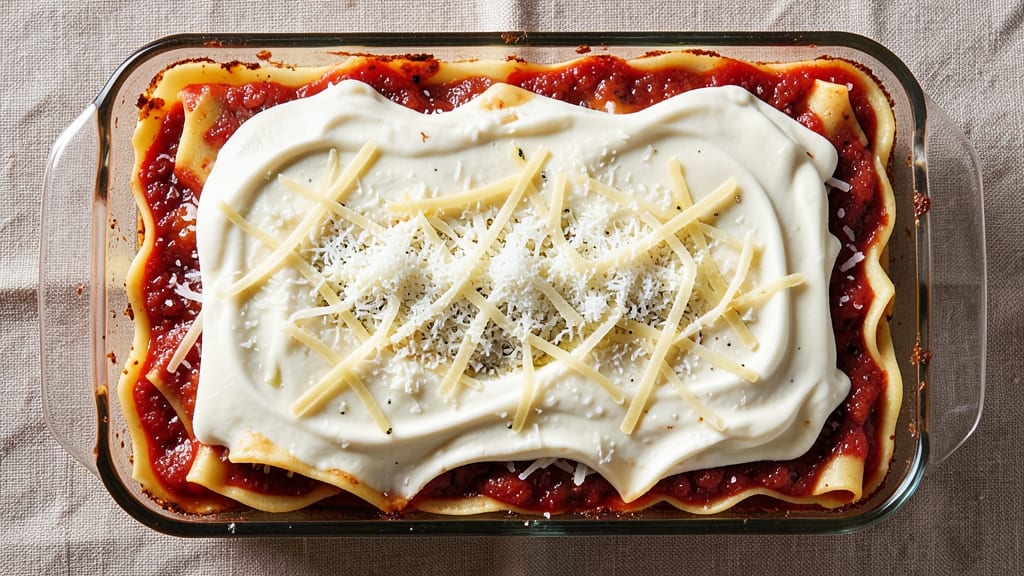
This Barilla cheese lasagna recipe delivers restaurant-quality layers with a foolproof shortcut that skips the fuss of traditional boiling noodles. The secret lies in Barilla's no-boil lasagna sheets, which absorb sauce beautifully while maintaining their structure—no soggy bottoms here.
I've perfected this version over years of testing, balancing rich ricotta layers with melty mozzarella and tangy marinara for that signature Italian flavor profile.
What sets this recipe apart is the ultra-melty cheese layers achieved through precise baking techniques. We'll use a combination of ricotta, mozzarella, and parmesan to create that signature creamy texture without making the lasagna too heavy.
The key is baking at 375°F (190°C) for 30-45 minutes, allowing the cheese to melt perfectly while keeping the noodles tender. This method ensures every forkful delivers that perfect balance of textures—creamy, chewy, and crispy edges.
Building the lasagna is simpler than you'd think—just alternate layers of sauce, cheese, and noodles in a 9x13-inch baking dish. The no-boil noodles handle the moisture beautifully, while the ricotta mixture adds that signature Italian creaminess.
For an extra touch, I recommend adding a sprinkle of Italian seasoning to the ricotta layer, which adds depth without overpowering the flavors.
Once baked to golden perfection, this lasagna serves as a crowd-pleasing centerpiece that pairs beautifully with garlic bread and a crisp green salad. The aroma alone will have everyone gathering at the table, and the first bite delivers that comforting, melty satisfaction that makes lasagna a classic comfort dish.
Ready to create your own masterpiece? Let's get started with the full recipe.
Ingredients for barilla cheese lasagna
These 13 ingredients create restaurant-style lasagna with no-boil shortcut magic.
| Ingredient | Amount | Notes |
|---|---|---|
| Barilla No-Boil Lasagna Sheets 🍝 | 12 pieces | Uncooked, standard width |
| Ricotta Cheese 🧀 | 1 ½ lb | Whole-milk, room temperature |
| Mozzarella Cheese 🧀 | 2 cups | Part-skim, shredded (low-moisture) |
| Parmesan Cheese 🧀 | 1 ½ cups | Freshly grated, block preferred |
| Marinara Sauce 🍅 | 3 cups | Homemade or quality jarred (San Marzano preferred) |
| Large Eggs 🥚 | 2 whole | Room temperature, beaten |
| Italian Seasoning 🌿 | 1 tbsp | Dried, for ricotta layer |
| Garlic Cloves 🧄 | 4 cloves | Minced, for ricotta layer |
| Extra-Virgin Olive Oil 🫒 | ¼ cup | For ricotta mixture |
| Salt 🧂 | 1 tsp | Diamond Crystal kosher |
| Black Pepper 🌶️ | ½ tsp | Freshly ground |
| Fresh Basil Leaves 🌿 | ¼ cup | Chopped, for garnish |
| Butter 🧈 | 2 tbsp | Unsalted, for baking dish |
The Barilla no-boil sheets are the game-changer here—grab the 12-piece package from any grocery store's pasta aisle. For cheese, Whole Foods or specialty shops carry the best ricotta and Parmesan, but the regular supermarket stuff works fine if you're in a pinch. Look for part-skim mozzarella labeled 'low-moisture'—that's what prevents soggy layers. I always buy extra Parmesan because it freezes beautifully for future recipes. The ricotta should be room temperature when mixing—cold ricotta makes the layers gummy.
No Italian seasoning? Mix dried basil, oregano, and thyme in equal parts—it's basically the same thing. Fresh basil is ideal for garnish, but dried works in a bind (use half the amount). Short on marinara? Crushed tomatoes with garlic, olive oil, and a pinch of sugar is a solid backup. The eggs are non-negotiable for binding the ricotta layer—room temperature eggs blend smoother. For the garlic, I like to toast the minced cloves in olive oil for 30 seconds before mixing—adds depth without overpowering.
Prep the ricotta mixture ahead and store it covered in the fridge for up to 24 hours. The assembled lasagna keeps 3-4 days refrigerated, but reheats best at 350°F (175°C) for 20-25 minutes. For parties, assemble it a day ahead and bake straight from the fridge—add 10-15 extra minutes to the baking time. The leftovers freeze beautifully too—wrap tightly in foil and freeze for up to 3 months. Just thaw overnight in the fridge before reheating.
Why You'll Love This Recipe
- No-Boil Magic: I swear by those Barilla sheets—they cut my prep time in half. No boiling, no waiting for noodles to cook, just layer and bake. Honestly, it’s the kind of shortcut that makes me feel like a lazy genius.
- Creamy Garlic Bomb: That ricotta-mozzarella-Parmesan combo? It’s where the magic happens. The ricotta stays rich and fluffy, the mozzarella melts into gooey perfection, and the Parmesan? Crunchy little shards that make every bite feel like a reward.
- Meal Prep MVP: Between us, this is my go-to for Sunday dinners and Tuesday takeout cravings. The leftovers reheat like a dream—just toss in the oven for 10 minutes, and it’s fresh again. My freezer’s full of these because they’re that reliable.
- Budget-Friendly Feast: A big pan of lasagna feeds my family of four for days, and the ingredients don’t break the bank. Marinara sauce in a jar? Check. Store-bought ricotta? Even better. It’s the kind of dish that stretches your grocery money without sacrificing flavor.
Step-by-step instructions for Barilla cheese lasagna
Here's how to assemble layers that melt perfectly every time—no pre-boiling pasta required.
Prepare the Ultra-Melty Ricotta Mixture
In a large bowl, combine the 1.5 lb ricotta cheese, 2 whole large eggs, 0.25 cup extra-virgin olive oil, 1 tbsp Italian seasoning, 4 minced garlic cloves, 1 tsp salt, and 0.5 tsp black pepper. Use a fork to break up the ricotta until smooth but still slightly textured—this ensures the perfect creamy consistency without being gluey.
Next, fold in 2 cups mozzarella cheese and 1.5 cups freshly grated Parmesan cheese. I like to use my hands for this part to distribute the cheeses evenly. The mixture should be thick but spreadable—if it's too stiff, add 1-2 tablespoons of reserved marinara sauce to loosen it. This step is critical for that signature lasagna melt.
Assemble Layers in a 9x13-Inch Baking Dish
Spread 1 cup of marinara sauce evenly on the bottom of a 9x13-inch baking dish (the one you'll use for baking). Then, layer 4 Barilla no-boil lasagna sheets horizontally, slightly overlapping the edges if needed. This first layer creates the foundation for your lasagna.
Spread half of the ricotta mixture evenly over the noodles, then sprinkle with ½ cup of the remaining mozzarella cheese. Repeat with another 4 lasagna sheets, remaining ricotta mixture, and final ½ cup mozzarella. Top with the remaining 1 cup marinara sauce and the last 4 lasagna sheets. The key here is to keep everything even—no thick spots that won't cook through.
Dot with Butter and Bake to Golden Perfection
Melt the 2 tbsp butter in a small saucepan over low heat, then drizzle it evenly over the top layer of lasagna. This butter creates a golden crust while keeping the cheese layers ultra-melty. Cover the dish tightly with heavy-duty aluminum foil and bake at 375°F for 25 minutes. This initial bake helps the layers set without drying out.
Remove the foil and bake for another 15-20 minutes until the top is golden brown and bubbly. The edges should be slightly crispy, and the cheese should pull away from the sides of the dish. If the top browns too quickly, tent it loosely with foil for the last 5 minutes of baking to prevent over-browning while still finishing the cheese.
Rest and Garnish for Maximum Melt
Let the lasagna rest for 10-15 minutes before slicing—this crucial step allows the layers to set and prevents a runny mess. While it rests, chop the 0.25 cup fresh basil leaves and set aside. The basil adds a bright finish that cuts through the richness of the cheese.
Slice into 6 equal portions (about 2 inches wide) and garnish each serving with a sprinkle of fresh basil leaves. Serve immediately with a side of garlic knots or a simple arugula salad. The lasagna should have a creamy, stretchy texture with no dry spots—proof that the no-boil sheets worked perfectly. Each bite should deliver that classic lasagna experience without the fuss of traditional layers.
Pro Tips For Making Barilla Cheese Lasagna
- SALT THE RICOTTA MIX: I learned this the hard way—ricotta is bland straight out of the tub. Stir in at least 1 teaspoon of salt per 15 ounces of ricotta before mixing with eggs and Parmesan. The cheese will taste richer, and you’ll need less salt later in the sauce.
- LAYER THIN SAUCE: Skip dumping a river of marinara between layers—Barilla no-boil sheets need room to soften, not drown. Use about ¼ cup sauce per layer, spread it like frosting, and let the cheese layers do the holding. Trust me, the sauce won’t leak out.
- PRESS THE PARMESAN: Grate your own Parmesan (yes, even if it’s pre-shredded—store-bought kind clumps like sad snow). Press it through a fine grater or pulse it in a food processor for 10 seconds. The finer the crumb, the better it melts into the ricotta and clings to the lasagna sheets.
- COVER IT TIGHT: After assembling, don’t just slap foil on top—press it directly against the edges to seal in moisture. Then, crimp the foil edges to the pan like you’re wrapping a gift. This keeps the top layer from drying out while the bottom bakes, and you won’t end up with a sad, crusty top.
Regional styles of this recipe
Classic Italian Style
In Italy, lasagna is all about simplicity and quality ingredients. The traditional approach uses fresh egg pasta sheets instead of dried, layered with ricotta, béchamel sauce, and Parmigiano-Reggiano—no mozzarella. I love making this version when I'm craving authentic flavors.
Start with homemade marinara (simmer San Marzano tomatoes, garlic, and basil) and use 12 fresh lasagna sheets (or high-quality dried like De Cecco). The secret is baking at 350°F (175°C) for 40-45 minutes until bubbly and golden. 🍝
New York-Style Twist
New Yorkers take their lasagna with a hearty, meaty approach. Add 1 lb ground beef cooked with 1 onion, 2 cloves garlic, and 1 tsp Italian seasoning to the marinara sauce. Layer the beef mixture between the ricotta and mozzarella, then top with extra Parmesan.
Bake in a 9x13-inch dish at 375°F (190°C) for 40 minutes, covered, then 10 minutes uncovered. The result? A rich, saucy lasagna with deep, meaty flavor—perfect for feeding a crowd. 💪
California-Inspired Fusion
For a lighter, fresh take, swap ricotta for cottage cheese and add spinach, sun-dried tomatoes, and goat cheese to the ricotta layer. Use whole-wheat Barilla lasagna sheets for extra fiber, and top with balsamic glaze instead of butter.
Bake at 375°F (190°C) for 35 minutes, then broil for 3-5 minutes to get a caramelized crust. This version keeps the cheesy goodness but adds bright, fresh flavors. 🌿
Southern Italian "Lasagna al Forno"
In regions like Emilia-Romagna, lasagna is often made with pesto instead of marinara. Use 1 cup fresh basil pesto (blend 2 cups basil, ½ cup pine nuts, 1 garlic clove, ½ cup olive oil, and Parmesan) as the sauce layer.
Mix 1 cup ricotta with 1 egg and ½ cup grated Pecorino Romano for the filling. Bake at 375°F (190°C) for 30 minutes covered, then 10 minutes uncovered. The result is a vibrant, herb-forward lasagna with a creamy texture. 🌱
Modern Shortcut Version
For busy weeknights, I swap the ricotta layer for store-bought béchamel sauce (like Giorgio Bongiovanni) and use pre-shredded mozzarella. Assemble in a 9x13-inch dish, top with marinara and extra Parmesan, then bake at 375°F (190°C) for 25 minutes covered, then 10 minutes uncovered.
Add a sprinkle of red pepper flakes for heat. This version keeps all the comfort without the fuss. ⏱️
Nutrition facts
Frequently asked questions
Can I use regular lasagna noodles instead of Barilla no-boil sheets?
You can, but you'll need to pre-boil them for 2-3 minutes until al dente. The key difference is that regular noodles require boiling to soften, while Barilla no-boil sheets absorb sauce beautifully without pre-cooking. If using regular noodles, drain well and layer immediately to prevent sogginess.
Why does my lasagna get watery after baking?
Watery lasagna usually means too much liquid in the ricotta mixture or overcooked noodles. To fix this, drain ricotta thoroughly (place in a colander for 10 minutes) and use low-moisture mozzarella. Also, avoid overfilling the dish—leave at least ½ inch of space at the top to prevent overflow. Bake uncovered for the last 10 minutes to evaporate excess moisture.
How can I make this lasagna ahead of time?
Assemble the lasagna completely, cover tightly with foil, and refrigerate for up to 24 hours before baking. When ready, bake at 375°F (190°C) for 50-60 minutes (covered for 35 minutes, then uncovered). For freezing, bake as directed, cool completely, wrap tightly in foil, and freeze for up to 3 months. Thaw overnight in the fridge before reheating at 350°F (175°C) for 30-40 minutes.
What's the best way to reheat leftovers?
For best results, slice the lasagna and reheat portions in a 350°F (175°C) oven for 15-20 minutes until bubbly. To avoid drying out, cover loosely with foil and add 1-2 tablespoons of water or marinara sauce to the dish before reheating. Microwaving works in a pinch, but oven reheating preserves the creamy texture better.
Can I add meat to this recipe?
For a meaty version, brown 1 lb ground beef or Italian sausage with 1 onion and 2 garlic cloves, then mix into the marinara sauce. Spread this meat mixture between the ricotta layers. For extra flavor, add 1 tsp Italian seasoning and ½ tsp red pepper flakes to the meat. This adds hearty depth without overpowering the creamy cheese layers.