Sauces & Condiments
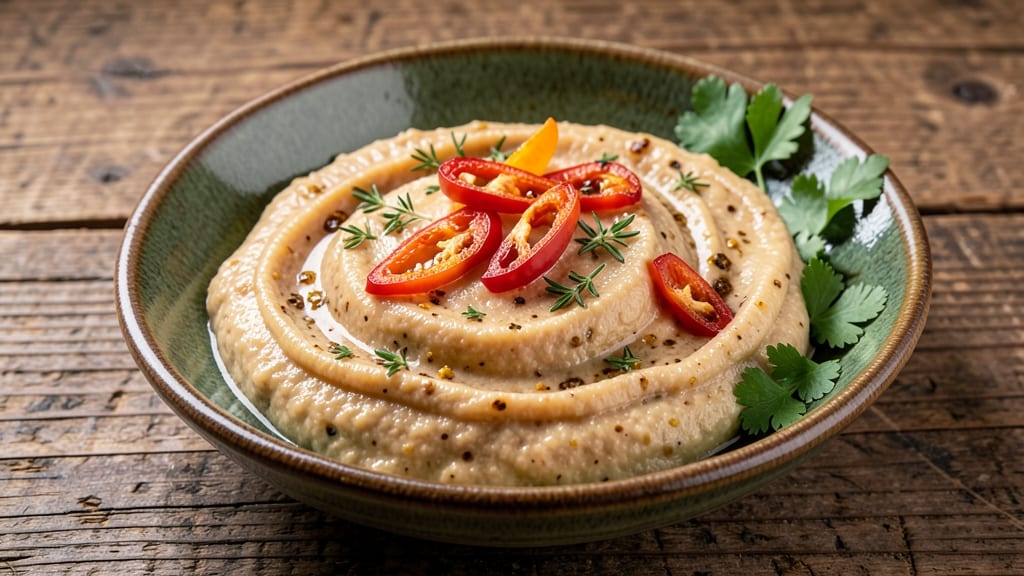
This Barbados cheese paste recipe transforms bold flavors into a versatile, spreadable condiment that brings Caribbean heat to every bite. The fusion of sharp cheddar, fiery Scotch bonnet peppers, and aromatic herbs creates a smooth, creamy texture perfect for dips, sandwich spreads, or appetizer toppings.
I developed this recipe after craving that perfect balance of spice and richness that defines Caribbean cuisine.
The magic lies in blending aged cheddar with just the right amount of Scotch bonnet for heat without overpowering the cheese. Fresh herbs like thyme and parsley add brightness, while garlic and mustard provide depth and tang.
This cheese paste isn't just a condiment—it's a flavor enhancer that elevates everything from grilled meats to fresh bread, all while staying remarkably smooth and spreadable.
What makes this recipe special is its adaptability. Use it as a bold dip for veggies, a spicy spread on burgers, or a flavorful topping for deviled eggs. The blend of ingredients ensures a perfect harmony of heat, creaminess, and aromatic complexity.
With just a few simple steps, you'll have a condiment that tastes like a vacation in every bite.
The process is straightforward: melt the cheese, blend with aromatics, and season carefully. Store it in the refrigerator for up to two weeks, ready to transform ordinary dishes into extraordinary ones. This isn't just another cheese spread—it's a taste of Barbados in every spoonful.
Ingredients for barbados cheese paste
Bold cheddar meets Caribbean fire—this cheese paste transforms simple ingredients into a flavor explosion.
| Ingredient | Amount | Notes |
|---|---|---|
| Sharp Aged Cheddar Cheese 🧀 | 16 oz | Block cheese, freshly grated |
| Scotch Bonnet Peppers 🌶️ | 1 whole | Seeds removed for mild heat |
| Fresh Thyme Leaves 🌿 | ¼ cup | Chopped finely for aroma |
| Fresh Parsley Leaves 🌿 | ¼ cup | Chopped finely for brightness |
| Garlic Cloves 🧄 | 3 cloves | Minced for depth of flavor |
| Dijon Mustard 🍯 | 1 tbsp | For tangy complexity |
| Extra-Virgin Olive Oil 🫒 | ¼ cup | High-quality for richness |
| Lemon Juice 🍋 | 1 tbsp | Freshly squeezed for freshness |
| Kosher Salt 🧂 | ½ tsp | To enhance all flavors |
| Ground Black Pepper 🌶️ | ¼ tsp | Freshly ground for warmth |
The sharp aged cheddar is non-negotiable here—block cheese only (pre-grated gets gummy). Trader Joe's or specialty cheese shops carry the best for this. Scotch bonnet peppers are the star, but if you can't find them, Habanero at half the amount works in a pinch. Fresh herbs make all the difference—grab the flattest thyme stems at the grocery store, as they're the freshest. For the mustard, Dijon is key—it's tangier than regular yellow mustard, which gives that authentic Caribbean bite. If you're feeling adventurous, add a pinch of smoked paprika for depth, but keep it subtle.
No Scotch bonnet? Jalapeño or habanero can work, but reduce to half a pepper—these peppers pack serious heat. Fresh herbs wilt fast, so use them within 2 days of purchase. Short on parsley? Cilantro works too, though it has a different vibe. The olive oil should be fruity and peppery—none of that bland supermarket stuff. For extra richness, add 1 tbsp of coconut cream to the blend. The lemon juice is crucial—bottled works, but fresh is always better. If you're making this ahead, prep all aromatics first so everything's ready when the cheese melts.
This cheese paste keeps beautifully—up to 2 weeks in the fridge, sealed tightly in a jar. The flavors actually meld better after a day or two, so make it the night before if you can. For longer storage, freeze in ice cube trays—perfect portions for whenever the craving hits. If it gets too firm in the fridge, let it sit at room temperature for 10 minutes before spreading. Trust me, the wait is worth it for that creamy, velvety texture that makes every bite feel like a vacation.
Why You'll Love This Recipe
- No Food Processor Needed: I swear by this trick—just grate the aged cheddar and pulse the Scotch bonnet with garlic in a mini food chopper. Ten minutes tops, and you avoid the sticky mess of a full-sized machine.
- Heat That Actually Works: That Scotch bonnet isn’t just for show—it brings a slow-building warmth that lingers long after the first bite. Honestly, the first time I skipped it, I missed it. Now it’s non-negotiable.
- Party Spread Hero: Slather it on crackers for game day, dollop it into sandwiches, or mix it into pasta—it disappears faster than you can say "second helping." My in-laws still ask for the recipe after three holidays.
- Cheese That Lasts: Aged cheddar keeps beautifully, and this paste freezes like a dream. I make a double batch every October, then pull it out for Thanksgiving leftovers. No waste, all flavor.
Step-by-step instructions for Barbados cheese paste
Here's how to create this bold, spicy fusion that brings Caribbean heat to your table.
Prepare the Fresh Herbs and Aromatics
Start by finely chopping the 0.25 cup fresh thyme leaves and 0.25 cup fresh parsley leaves separately. I like to use a sharp chef's knife for this—hold the stems steady and rock the knife gently to create tiny, even pieces. These herbs will add bright, fresh notes that balance the cheddar's sharpness and the Scotch bonnet's heat.
Next, mince the 3 cloves garlic into a fine paste using the flat side of your knife. You want it almost like a thick powder—this ensures even distribution throughout the paste. The garlic will infuse deep, savory layers that complement the cheddar beautifully. Have all your chopped ingredients ready before moving to the next step so you can work efficiently.
Grate the Cheddar and Toast the Scotch Bonnet
Using a box grater, freshly grate the 16 oz sharp aged cheddar cheese. I recommend using the fine side for a smooth, velvety texture in the final paste. As you grate, place the cheese in a medium bowl to catch all those delicious shavings—none should go to waste!
In a small skillet over medium-low heat, toast the seeds-removed Scotch bonnet pepper for 1-2 minutes until fragrant but not charred. This step enhances its natural sweetness while mellowing the heat slightly. Remove from heat and let cool completely before finely dicing it. The residual heat will help meld all the flavors together beautifully.
Blend All Ingredients Together
In a food processor fitted with the metal blade, combine the grated cheddar, toasted Scotch bonnet, chopped thyme, parsley, and minced garlic. Pulse 4-5 times until everything is finely chopped but not yet blended into a paste. This ensures you maintain some texture while still achieving a smooth consistency.
With the processor running, slowly drizzle in the 0.25 cup extra-virgin olive oil through the feed tube. The oil will help bind everything together while adding rich, fruity notes. Add the 1 tbsp Dijon mustard, 1 tbsp lemon juice, 0.5 tsp kosher salt, and 0.25 tsp ground black pepper through the feed tube as well. Process until completely smooth, scraping down the sides as needed—this should take about 2-3 minutes total.
Achieve the Perfect Texture
Transfer the mixture to a mixing bowl and use a silicone spatula to fold everything together. This step ensures even distribution of all flavors and helps achieve that signature creamy yet slightly grainy texture. Taste and adjust seasoning if needed—you might want to add a pinch more salt or a touch more lemon juice to balance the flavors perfectly.
For the best results, let the cheese paste rest at room temperature for 15-20 minutes before using. This allows all the flavors to truly meld together. The paste will keep well in an airtight container in the refrigerator for up to 1 week, making it perfect for quick meals or entertaining. Spread it on toast, mix into mashed potatoes, or use as a bold flavoring in sauces and marinades!
Pro Tips For Making Barbados Cheese Paste
- Blister Scotch Bonnets: I learned this the hard way—roasting the peppers whole until they’re charred and blistered (not just soft) unlocks their smoky depth. Toss them in a dry skillet over medium-high heat, turning often, until the skin blackens in spots. This isn’t about speed; it’s about flavor. If you rush, you’ll miss the caramelized sweetness that balances the cheese’s sharpness.
- Grate Cheese Coarse: Skip the food processor for sharp aged cheddar—it turns into glue. Use a box grater with medium holes and work in batches, pressing the cheese through with a rubber spatula to avoid clumping. The texture should be uneven, almost crumbly, so the paste stays spreadable without turning waxy.
- Toast Garlic Slowly: Don’t burn it. Slice the garlic cloves in half lengthwise and cook them cut-side down in a dry pan over low heat until golden and fragrant—about 5–7 minutes. If you crank the heat, they’ll turn bitter and overpower the cheese. The goal is nutty aroma, not color.
- Pulse Herbs Twice: Add thyme and parsley whole first, then pulse briefly in the food processor to chop them just enough to distribute their brightness. Over-processing turns them to paste and dulls their flavor. Think "confetti," not "sauce." I was skeptical until I tried it—now I never skip this step.
Make-ahead tips for this recipe
Prep Ahead Strategy
Make this cheese paste 24 hours ahead for the best flavor development. The ingredients need time to meld together—especially the Scotch bonnet and cheddar. Store it in an airtight glass jar in the fridge, and the flavors will deepen beautifully.
I always prep mine the night before so it's ready to spread on breakfast toast or mix into lunch sandwiches. 💫
Freezer-Friendly Portions
For convenience, divide the paste into 2-ounce portions using silicone ice cube trays. Once frozen solid, transfer the cubes to a freezer bag. This way, you can grab just what you need without thawing the whole batch.
A single cube is perfect for a sandwich spread or topping for deviled eggs. Thaw at room temperature for 10-15 minutes before using.
Room Temperature Readiness
If your cheese paste thickens in the fridge, simply let it sit at room temperature for 10-15 minutes before spreading. The texture will soften beautifully—this is completely normal.
I keep a small jar on my countertop for quick access, especially when I'm craving that spicy cheddar flavor first thing in the morning. Just be sure to refrigerate any leftovers within 2 hours.
Flavor Boosting Trick
For an extra kick, add ½ tsp of smoked paprika when blending the ingredients. This enhances the Caribbean vibe without overpowering the cheese. I also like to stir in 1 tbsp of coconut cream if I want a richer, more tropical flavor profile.
The key is to taste as you go—adjust seasonings gradually to avoid overdoing it.
Long-Term Storage
This cheese paste stays fresh for up to 2 weeks in the fridge when stored properly in an airtight container. For longer storage, freeze it for up to 3 months.
When reheating from frozen, microwave in 20-second intervals on low power, stirring between each interval until completely smooth. The texture will be perfect for spreading on crackers or mixing into dips.
Nutrition facts
Frequently asked questions about Barbados cheese paste
Can I make this cheese paste without Scotch bonnet peppers?
If you can't find Scotch bonnet, use half a habanero pepper (seeds removed) for similar heat. For milder versions, try jalapeño or serrano peppers—just reduce the amount to ¼ pepper and toast it well to mellow the flavor. The key is balancing the heat with the sharp cheddar and lemon juice.
How do I get the smoothest texture possible?
For ultra-smooth results, grate the cheddar freshly (pre-grated cheese gets gummy) and process it in short bursts with the oil. Scrape down the sides frequently and let the mixture rest for 15-20 minutes after blending—this helps the fats redistribute. If it's still grainy, add 1 tsp more olive oil and pulse again.
What are the best ways to use this cheese paste?
This versatile spread shines as a sandwich filling, toasted bread topping, or veggie dip base. Mix it into mashed potatoes for Caribbean flair, or use it as a bold deviled egg filling. For extra fun, spread it on warm plantain chips or mix it into homemade hummus for a spicy twist.
Why does my cheese paste separate or get oily?
This happens when cheese fats separate from moisture. To fix it, gently reheat the paste in 10-second microwave bursts while stirring until smooth. For prevention, use aged cheddar (it has less moisture) and process the oil slowly. If it still separates, add 1 tsp cornstarch mixed with 1 tsp water and blend until creamy.
Can I make this cheese paste dairy-free?
Yes! Swap the cheddar for 16 oz dairy-free sharp cheddar alternative (like Violife) and use coconut oil instead of olive oil. Add 1 tbsp nutritional yeast for a cheesy flavor. The texture will be slightly firmer but still spreadable. For extra creaminess, blend in 2 tbsp coconut cream at the end.