
Salads
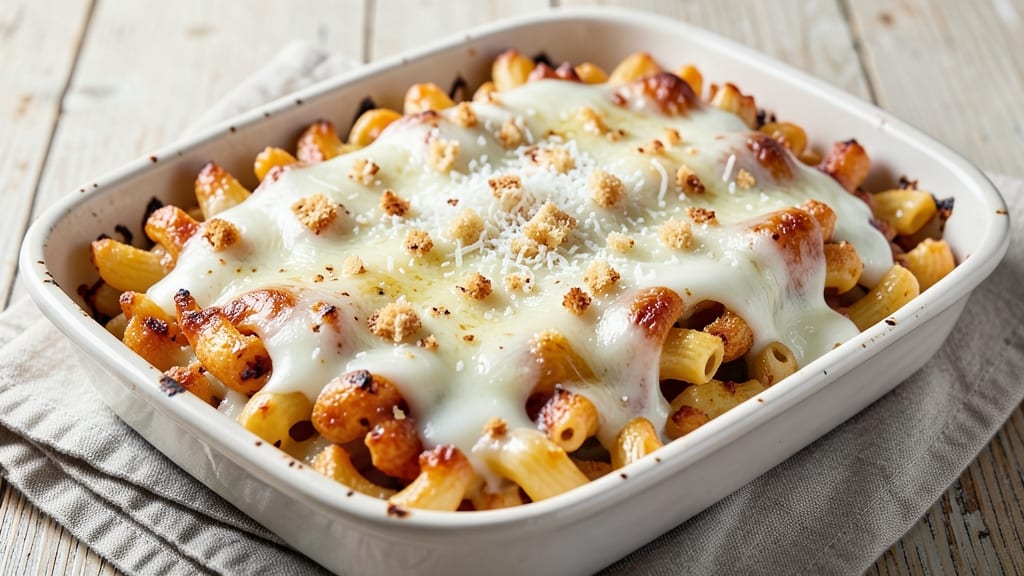
This baked macaroni and four cheese recipe delivers restaurant-quality comfort food with a golden crust and layers of melty, cheesy goodness. The secret lies in balancing sharp cheddar, creamy Gruyère, tangy Parmesan, and smooth Gouda for depth that transforms simple elbow macaroni into something extraordinary.
I've perfected this technique over years of testing, ensuring the pasta stays tender while the cheese sauce achieves that velvety, clingy perfection.
What sets this recipe apart is the two-stage baking process: first toasting the breadcrumbs for maximum crunch, then baking the casserole until bubbling and golden. The result is a dish where every forkful delivers crispy edges, creamy sauce, and perfectly al dente pasta—no soggy bottoms here.
This version includes a full ingredient list with precise measurements to guarantee consistent results every time.
By the time it emerges from the oven, you'll have a dish that's rich yet balanced, with a crispy top layer that holds up perfectly for serving. The four-cheese blend creates complex flavor layers that satisfy even the most discerning cheddar lovers.
Serve with a simple green salad and garlic bread for a complete, satisfying meal that feels indulgent yet comes together with straightforward technique.
Whether you're feeding a family dinner or preparing for a holiday gathering, this recipe scales beautifully while maintaining its signature texture and flavor. The instructions walk through each step clearly, from prepping the pasta to achieving that perfect golden crust.
Get ready to transform weeknight dinners into something special with this foolproof baked macaroni and four cheese recipe.
Ingredients for baked macaroni and 4 cheese
Six servings of restaurant-quality comfort with precise measurements for golden crust and velvety cheese layers.
| Ingredient | Amount | Notes |
|---|---|---|
| Elbow Macaroni 🍝 | 1 ½ lb | Uncooked, medium or elbow shape |
| Sharp White Cheddar Cheese 🧀 | 1 ½ cups | Shredded, aged 12+ months preferred |
| Gruyère Cheese 🧀 | 1 cup | Shredded, imported for authentic flavor |
| Gouda Cheese 🧀 | 1 cup | Smoked Gouda, shredded coarsely |
| Parmesan Cheese 🧀 | ¾ cup | Freshly grated, block preferred |
| Heavy Whipping Cream 🥛 | 1 cup | Full-fat for optimal creaminess |
| Whole Milk 🥛 | ½ cup | Warmed for smooth sauce |
| Unsalted Butter 🧈 | 4 tbsp | European-style preferred |
| All-Purpose Flour 🌾 | 2 tbsp | For thickening sauce |
| Panko Breadcrumbs 🍞 | ¾ cup | Toasted for extra crunch |
| Garlic Powder 🧄 | 1 tsp | Freshly ground preferred |
| Onion Powder 🧅 | 1 tsp | For depth of flavor |
| Ground Nutmeg 🌿 | ½ tsp | Freshly grated preferred |
| Diamond Crystal Kosher Salt 🧂 | 1 ½ tsp | Adjust to taste |
| Black Pepper 🌶️ | ½ tsp | Freshly cracked |
The cheese selection is non-negotiable for authentic depth. Sharp white cheddar provides the tangy base, while imported Gruyère from specialty markets like Whole Foods adds nutty complexity. For the smoked Gouda, Kraft's Smoked Gouda is reliable, but local artisanal options from cheese shops elevate the dish further. The Parmesan must be freshly grated—pre-shredded contains anti-caking agents that prevent proper melting. When shopping, prioritize aged cheddar (12+ months) and avoid pre-shredded blends that often include fillers.
No Gruyère? Comté or aged Emmental work as substitutes, though flavor will differ slightly. Short on smoked Gouda? Regular Gouda plus a pinch of liquid smoke mimics the effect. The breadcrumbs should be toasted in butter before topping—this creates the signature crunch. For a gluten-free version, swap panko for crushed gluten-free crackers or almond flour. The flour used for thickening should be sifted first to prevent lumps in the sauce. When measuring cheese, pack it tightly into the measuring cup for accurate results.
Pre-shredded cheeses lose moisture quickly, so store them in airtight containers with parchment paper between layers to maintain freshness for up to 3 months. The dry ingredients (breadcrumbs, spices) keep indefinitely in a cool, dark place. For make-ahead convenience, assemble the casserole up to 24 hours before baking—cover tightly and refrigerate. Leftovers reheat beautifully in a 350°F oven for 15 minutes, covered with foil to prevent over-browning. Portion into individual servings for easy reheating.
Why You'll Love This Recipe
- One-Pan Magic: I swear by this recipe when I’m too tired to scrub pots—just toss the pasta, cheese, and a splash of milk in one dish, bake, and walk away. The Gruyère melts into this golden, bubbly blanket over the macaroni, and honestly? No one will guess it’s that simple.
- Cheese Overload (In the Best Way): That combo of sharp cheddar, nutty Gruyère, and smoky Gouda? It’s like a flavor party in your mouth. The Parmesan rind toasts at the edges, adding this crispy, salty crunch that makes every bite feel like a little reward.
- Weeknight to Potluck: Between us, this is my go-to for lazy Tuesdays and Sunday gatherings. Double the batch, pack it in a casserole dish, and it reheats like a dream—no sad, dry leftovers here. My roommates steal it when I’m not looking.
- Budget-Friendly Luxury: Four kinds of cheese sound fancy, but a block of each lasts ages, and the pasta? Cheap as chips. I stretch this into lunches for days, and the rich, melty goodness makes it feel like a restaurant meal without the price tag. (Yes, even on a Tuesday night.)
Step-by-step instructions for baked macaroni with four cheese layers
This method delivers a perfectly balanced casserole with crispy breadcrumb topping and creamy, melty cheese layers.
Cook the Elbow Macaroni Al Dente
Bring a large pot of water to a rolling boil and add 1.5 lb elbow macaroni. Cook until 1 minute before the package directions indicate for al dente. This slight undercooking prevents the pasta from becoming mushy during baking. Drain thoroughly and return to the pot.
While still hot, toss the drained pasta with 1 tbsp unsalted butter and 1 tsp garlic powder. This step enhances flavor and prevents sticking. The butter coats each strand, creating a subtle richness that carries through the entire dish. Let the pasta cool slightly before proceeding.
Prepare the Four-Cheese Sauce
In a medium saucepan, melt the remaining 3 tbsp unsalted butter over medium heat. Whisk in the 2 tbsp all-purpose flour to form a roux, cooking for 2 minutes until golden. Slowly pour in the 1 cup heavy whipping cream and 0.5 cup whole milk, whisking constantly to prevent lumps.
Add the 1.5 cups sharp white cheddar cheese, 1 cup gruyère cheese, 1 cup smoked gouda cheese, and 0.75 cup freshly grated parmesan cheese. Stir continuously until the cheese melts completely and the sauce thickens to a smooth, velvety consistency. Remove from heat and stir in the 1 tsp onion powder, 0.5 tsp ground nutmeg, 1.5 tsp kosher salt, and 0.5 tsp black pepper. This blend creates the signature rich, complex flavor profile.
Combine Pasta and Cheese Mixture
Transfer the cooked pasta to a large mixing bowl. Pour the cheese sauce over the pasta and gently fold together until fully coated. The sauce should cling to each strand of pasta, creating a cohesive, cheesy mass. If the mixture appears dry, add 1-2 tablespoons of reserved pasta water to loosen it. This ensures the final texture remains creamy rather than dense.
Spread the pasta-cheese mixture evenly into a 9x13-inch baking dish, pressing down gently to eliminate air pockets. This step prevents uneven baking and ensures a consistent texture throughout. The dish should be filled to about ¾ full to allow room for expansion during baking.
Create the Crispy Breadcrumb Topping
In a small bowl, combine the 0.75 cup panko breadcrumbs with the remaining 1 tbsp unsalted butter, melted. Sprinkle this mixture evenly over the top of the pasta casserole, pressing down lightly to adhere. The panko will create a golden, crispy crust that contrasts beautifully with the creamy interior.
Cover the baking dish with aluminum foil and refrigerate for at least 30 minutes. This chilling step allows the flavors to meld and prevents the casserole from spreading too much in the oven. The cold start also promotes better browning of the breadcrumb topping.
Bake to Golden Perfection
Preheat your oven to 375°F. Remove the chilled casserole from the refrigerator and bake uncovered for 35-40 minutes until the top is deep golden brown and the edges are bubbling. The cheese should be fully melted, and the breadcrumb topping should be crispy to the touch.
For the final 5 minutes, increase the oven temperature to 400°F to enhance browning. This broiling step creates that coveted golden crust while keeping the interior creamy. Let the casserole rest for 10 minutes before serving to allow the juices to redistribute. Each bite should deliver a perfect balance of crispy, chewy, and melty textures.
Pro Tips For Making Baked Macaroni And 4 Cheese
- DON’T OVERMIX THE CHEESE: I learned this the hard way—when you grate those cheeses (especially the sharp cheddar and Gruyère), keep the mix loose and uneven. Packing it tightly into the pasta creates a dense, rubbery bake. Leave gaps so the cheese melts into pockets of gooey goodness instead of one solid block.
- USE PASTA WATER—BUT NOT TOO MUCH: After draining the elbow macaroni, splash in about ¼ cup of the starchy pasta water before mixing in the cheese sauce. This helps bind everything together, but don’t drown it—too much water makes the dish soggy. Think "moist but not swampy."
- BAKE UNTIL THE TOP CRUSTS, THEN REST: Take the dish out of the oven when the top is golden and bubbling, not when it’s fully browned. That last bit of carryover heat will finish the cooking. Then, let it sit for 5–10 minutes under foil before serving—this lets the cheese set up properly so it doesn’t slide off the fork like a greasy mess.
- GRATE THE CHEESE FRESH—NO EXCUSES: Pre-shredded cheese is coated in anti-caking agents that turn baked mac and cheese into a sad, grainy disaster. If you’re short on time, at least pulse the cheddar and Gruyère in a food processor for a finer texture, but nothing beats the real deal. Your future self will notice the difference.
Troubleshooting this dish
Cheese Clumps
If your cheese sauce develops clumps, it's usually from adding cheese too quickly or not stirring enough. I always melt the cheddar and Gruyère first over low heat, then gradually whisk in the smoked Gouda and Parmesan.
For stubborn clumps, strain the sauce through a fine-mesh sieve into a clean pot—this removes any lingering lumps while keeping the creamy texture. 🧀
Soggy Topping
The breadcrumb topping often goes soft when the casserole releases too much moisture. To fix this, press the panko mixture firmly onto the top before baking. I also recommend toasting the breadcrumbs with 1 tbsp butter until golden before adding them—this creates an extra crisp barrier.
For extra insurance, sprinkle 1 tbsp flour over the breadcrumbs before baking to absorb any excess moisture.
Pasta Too Mushy
Overcooked pasta is the #1 reason for a mushy final texture. Always cook the elbow macaroni 1 minute less than package instructions and drain it thoroughly.
I also toss the hot pasta with 1 tbsp butter while it's still hot—this creates a protective coating that prevents excess moisture absorption during baking. If your pasta feels undercooked, simply bake the casserole for 5 extra minutes covered with foil.
Uneven Baking
When the edges cook faster than the center, it's usually from overfilling the baking dish. Fill your 9x13-inch dish only ¾ full to allow proper heat circulation. For stubborn hot spots, rotate the pan halfway through baking.
I also recommend using an oven thermometer to verify your oven's actual temperature—many home ovens run 25°F hotter or colder than set. Adjust accordingly for even cooking.
Sauce Too Thin
A runny sauce typically means you didn't thicken it enough or used too much milk. The 2 tbsp flour in the roux is crucial—make sure you cook it for the full 2 minutes until golden.
If your sauce still seems thin, mix 1 tbsp cornstarch with 2 tbsp cold water, stir it into the sauce, and cook for 2 more minutes until thickened. This works wonders without altering the flavor.
Bland Flavor
If your dish tastes flat, it's likely missing the proper seasoning balance. Always taste and adjust before baking—start with the 1.5 tsp kosher salt and 0.5 tsp black pepper, then boost with 0.25 tsp smoked paprika or a pinch of cayenne for depth.
I also recommend adding 1 tsp Dijon mustard to the cheese sauce—it brightens the flavors without overpowering. Freshly grated nutmeg makes a huge difference too!
Nutrition facts
Frequently asked questions
Can I use a different type of pasta?
Elbow macaroni is ideal because its shape holds the cheese sauce perfectly, but you can substitute with penne, fusilli, or farfalle. Avoid long pasta like spaghetti—it won't distribute evenly in the baking dish. For gluten-free options, use gluten-free elbow macaroni and ensure your breadcrumbs are also gluten-free.
How do I make this dish ahead of time?
Assemble the casserole up to 24 hours ahead and refrigerate covered. When ready to bake, let it sit at room temperature for 30 minutes before baking. For a make-ahead freezer version, bake the casserole, cool completely, wrap tightly in foil, and freeze for up to 3 months. Reheat covered at 350°F for 20-25 minutes.
What's the secret to the perfect crispy topping?
The key is toasting the panko breadcrumbs with 1 tbsp butter until golden before adding them to the casserole. Press them firmly onto the top and sprinkle with 1 tbsp flour to absorb moisture. Bake uncovered at 375°F for 35-40 minutes, then broil for 5 minutes at 400°F for extra crispiness.
Can I make this dish without heavy cream?
Yes! Replace the 1 cup heavy cream with ¾ cup whole milk plus ¼ cup sour cream for creaminess. Alternatively, use ¾ cup whole milk and ¼ cup Greek yogurt. The sauce will still be rich, though slightly lighter in texture. For extra richness, add 2 tbsp cream cheese to the cheese blend.
What are the best sides to serve with this?
This rich casserole pairs perfectly with light, fresh sides like a simple green salad with lemon vinaigrette, garlic bread, or roasted seasonal vegetables. For a heartier meal, add steamed broccoli or sautéed green beans. The acidity from the salad or tangy dressing cuts through the richness of the cheese.