
Appetizers
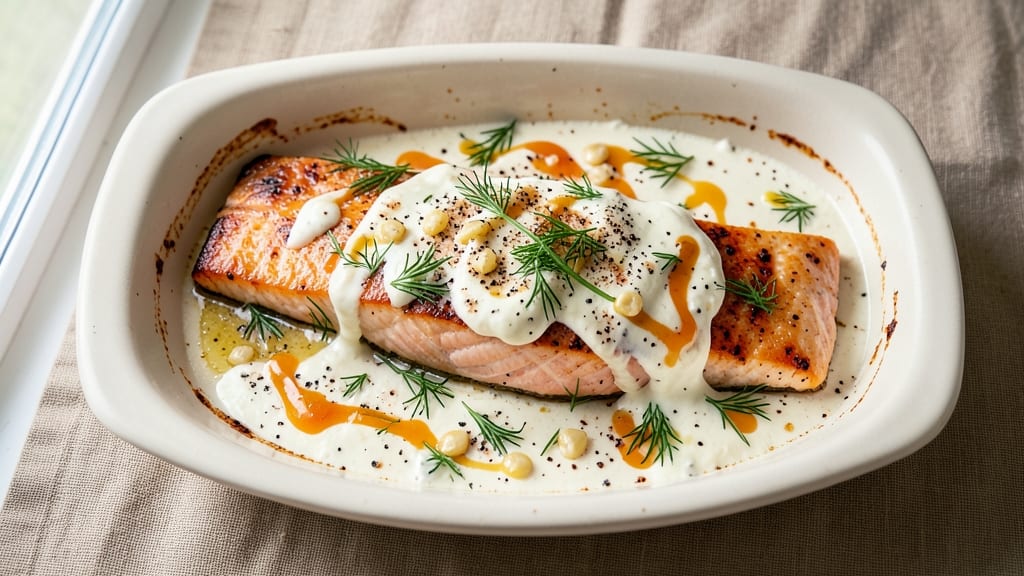
This baked cheese salmon recipe delivers crispy golden edges and a silky center that melts in your mouth—no frying required. The secret lies in a perfect balance of melted cheese on top while keeping the fish tender inside.
I developed this technique after years of perfecting oven-baked salmon, and it never fails to impress even the most skeptical eaters.
What makes this recipe truly special is how the cheese transforms ordinary salmon into something extraordinary. A simple blend of cream cheese and parmesan creates a golden, slightly crispy crust that locks in moisture while adding rich, savory depth.
The salmon cooks perfectly at 400°F, ensuring that every bite delivers both texture and flavor harmony.
By the time it emerges from the oven, you'll have salmon with a crispy cheese-topped exterior that contrasts beautifully with the tender, flaky interior. This dish pairs wonderfully with roasted asparagus, lemon wedges, or a simple green salad to complete the meal.
The aroma alone will have everyone gathering around the table.
Ready in just 15-20 minutes, this recipe is perfect for weeknight dinners or special occasions when you want restaurant-quality results without the fuss. The combination of rich salmon and melted cheese creates a dish that feels indulgent yet remains surprisingly simple to prepare.
Ingredients for baked cheese salmon
The perfect blend of rich salmon and golden cheese crust transforms ordinary fish into restaurant-quality perfection.
| Ingredient | Amount | Notes |
|---|---|---|
| Center-Cut Salmon Fillets 🐟 | 4 pieces | Skin-on, 6-8 oz each, uniform thickness |
| Cream Cheese 🧈 | 8 oz | Full-fat, room temperature |
| Parmesan Cheese 🧀 | ½ cup | Freshly grated, fine texture |
| Extra-Virgin Olive Oil 🫒 | 2 tbsp | Light, fruity variety |
| Fresh Lemon Juice 🍋 | 2 tbsp | From 1 medium lemon |
| Garlic Cloves 🧄 | 2 cloves | Minced, fresh preferred |
| Fresh Dill 🌿 | 2 tbsp | Chopped, stems removed |
| Diamond Crystal Kosher Salt 🧂 | 1 tsp | Fine grain, for seasoning |
| Ground Black Pepper 🌶️ | ½ tsp | Freshly cracked preferred |
| Panko Breadcrumbs 🍞 | 2 tbsp | For extra crunch |
| Unsalted Butter 🧈 | 1 tbsp | Melted, for greasing pan |
| Fresh Asparagus 🌱 | 1 lb | Trimmed, for pairing |
| Lemon Wedges 🍋 | 4 pieces | For serving |
The salmon fillets are the foundation—center-cut ensures even cooking and minimal flaking. Wild-caught Alaskan salmon from Trader Joe's or your local fishmonger delivers the best texture, but any high-quality fillet works. Look for pieces with uniform thickness (about 1-inch) to prevent uneven browning. The cheese blend is where the magic happens: full-fat cream cheese ensures a silky melt, while freshly grated Parmesan adds depth. Pre-grated cheese loses moisture and flavor, so grating your own is worth the effort. For the olive oil, California avocado oil has a neutral flavor that won't overpower the delicate salmon aroma.
No cream cheese? Substitute with a mix of ricotta and mascarpone for similar texture. Running short on Parmesan? Pecorino Romano works beautifully with a 1:1 swap. Fresh dill can be replaced with 1 tbsp dried dill, but reduce to half the amount. The panko breadcrumbs add texture—if you don't have any, crushed cornflakes make a decent alternative. For a lighter option, omit the butter and use olive oil spray instead. The asparagus pairing can be swapped for roasted Brussels sprouts or a simple arugula salad if preferred. Always season the salmon just before baking to prevent over-salting during the long cook time.
Prep the salmon and cheese mixture ahead of time and store in the fridge for up to 4 hours before baking. The assembled dish holds in the oven for 10-15 minutes while you finish sides, but serve immediately after baking for the crispiest texture. Leftovers keep for 2 days in the fridge, but the cheese crust loses its perfect crunch after reheating. For meal prep, bake an extra fillet and store it separately—reheat gently in the oven at 300°F for 5-7 minutes with a splash of water to restore moisture. The lemon wedges should be added just before serving to prevent the salmon from drying out.
Why You'll Love This Recipe
- Five-Ingredient Magic: I swear by this combo—just salmon, cream cheese, Parmesan, olive oil, and lemon. That’s it. No fancy prep, no last-minute grocery runs. The cream cheese melts into this velvety blanket while the Parmesan adds that salty crunch, and the lemon? It cuts through the richness like a fresh breeze.
- Crispy-Creamy Dream: Between us, this is the only way to eat salmon. The edges get this golden, crispy crust from the oven, while the inside stays so tender you could cut it with a butter knife. Honestly, I’ve tried grilled and pan-seared, but this baked version wins every time—no charred bits, just pure satisfaction.
- Weeknight to Dinner Party: Make it for yourself on a Tuesday or impress guests on Saturday—this recipe doesn’t judge. The leftovers reheat beautifully (yes, even the crispy bits), and it’s the kind of dish that feels fancy without trying. My partner’s coworkers have asked for the recipe three times now, and I’ve only made it twice.
- Budget-Friendly Luxury: Salmon can feel expensive, but this method stretches it. A single fillet feels indulgent, but a whole sheet pan feeds four for less than takeout. The cream cheese and Parmesan add richness without breaking the bank, and the olive oil? A little goes a long way. It’s my go-to when I want to feel spoiled but still keep my wallet happy.
Step-by-step instructions for baked cheese salmon with crispy top
Here's the precise method to achieve that perfect balance of crispy exterior and tender, creamy interior.
Prepare the Cheese Mixture for Maximum Flavor
In a medium bowl, combine the 8 oz cream cheese with the 0.5 cup Parmesan cheese until completely smooth. I use a hand mixer for this step—it ensures no lumps remain and creates a velvety texture. Add the 2 tbsp fresh lemon juice, 2 cloves minced garlic, and 2 tbsp chopped fresh dill, mixing until fully incorporated. The lemon juice brightens the richness of the cream cheese while the garlic and dill add layers of aromatic complexity.
Season generously with 1 tsp Diamond Crystal kosher salt and 0.5 tsp freshly cracked black pepper. Taste the mixture—it should be tangy, savory, and slightly peppery. This is your flavor foundation, so don't skimp on seasoning. Spread the mixture evenly across the 4 center-cut salmon fillets, covering each fillet completely and extending slightly beyond the edges. This ensures maximum crispiness when baked.
Create the Crispy Topping Layer
In a separate small bowl, mix the 2 tbsp Panko breadcrumbs with 1 tbsp melted unsalted butter. The butter helps bind the breadcrumbs and adds richness to the crispy topping. Sprinkle this mixture evenly over the cream cheese layer on each salmon fillet, pressing down gently to adhere. The Panko will create that coveted crunchy crust while the butter enhances the melt-in-your-mouth texture.
Place the prepared salmon fillets on a parchment-lined baking sheet, spacing them about 1 inch apart. This prevents them from steaming and ensures even browning. Drizzle 2 tbsp extra-virgin olive oil evenly over the top of each fillet. The oil helps create a beautiful golden-brown crust while adding a subtle fruity note that complements the richness of the cheese mixture.
Bake to Perfect Doneness
Preheat your oven to 400°F and let it fully preheat for 10 minutes. This high temperature is crucial for achieving that crispy exterior while keeping the interior silky. Place the baking sheet on the middle rack—this position ensures even heat distribution. Bake for 12-15 minutes, until the top is deep golden brown and the salmon flakes easily with a fork.
I check for doneness by gently pressing the center of a fillet with my finger—it should feel firm but yield slightly. The internal temperature should reach 145°F when measured with an instant-read thermometer. Don't overbake; salmon continues cooking slightly after removal from the oven. If the edges brown too quickly, tent loosely with foil for the last 2-3 minutes of baking to prevent over-browning.
Prepare and Serve with Fresh Asparagus
While the salmon bakes, prepare the 1 lb fresh asparagus by trimming off the woody ends. Toss the asparagus with 1 tbsp extra-virgin olive oil, ½ tsp kosher salt, and a pinch of black pepper. Roast at 425°F for 10-12 minutes until tender-crisp. The bright green color and slight char on the tips will contrast beautifully with the rich salmon.
Remove the salmon from the oven and let it rest for 3-5 minutes before serving. This resting period allows the juices to redistribute, ensuring each bite is moist and flavorful. Plate the salmon with the roasted asparagus and garnish with the 4 lemon wedges. The acidity of the lemon cuts through the richness of the cheese and salmon, creating a perfect balance of flavors.
Pro Tips For Making Baked Cheese Salmon
- Dry the Salmon First: Pat those fillets thoroughly with paper towels—no wet spots—before adding the cheese mixture. I learned this the hard way when my salmon turned out soggy instead of crisp. Even if it feels like overkill, trust me: the outside crusts better when it starts dry.
- Mix Cheeses at Room Temp: Take the cream cheese and Parmesan out of the fridge 10 minutes before mixing. Cold cheese spreads unevenly and makes the topping look lumpy. Warm hands work too, but I’ve had better luck with the fridge trick—smoother, stickier, and more cohesive.
- Skip the Overcrowding: Bake one fillet at a time if your pan is small. I used to cram two in there, thinking it’d save time, but the edges got mushy from steam. A single layer on parchment or a well-oiled tray guarantees even cooking—no guessing games.
- Zest Before Juicing: Grate the lemon zest into the cheese mix first, then add the juice. The zest brightens the flavor upfront, while the juice keeps the salmon from drying out. (Yes, even if you’re impatient like me—this makes a real difference.)
Flavor customization for this recipe
Spicy Kick
Add 1 tsp smoked paprika and ½ tsp cayenne pepper to the cream cheese mixture for a subtle smoky heat that pairs perfectly with the salmon's richness. For extra kick, sprinkle ½ tsp crushed red pepper flakes on top before baking.
This variation works especially well if you love bold flavors—just be sure to serve with extra lemon to balance the heat. 🌶️
Herb-Infused Twist
Swap the fresh dill for a mix of 1 tbsp chopped chives and 1 tbsp chopped parsley to create a lighter, more complex herb profile. Alternatively, add 1 tsp dried thyme or ½ tsp dried oregano for a Mediterranean-inspired flavor.
Fresh herbs like tarragon or basil also work beautifully if you have them on hand.
Sweet & Tangy Glaze
Drizzle 1 tbsp honey or maple syrup over the salmon after spreading the cheese mixture. The natural sweetness caramelizes in the oven, creating a sticky, glossy finish. For extra tang, add 1 tsp Dijon mustard to the cheese blend—it adds depth and a slight bite.
This variation is perfect for brunch or a lighter dinner option.
Creamy Garlic Parmesan
Boost the garlic flavor by adding an extra 1 clove minced garlic to the cheese mixture. For a richer taste, replace half the cream cheese with 4 oz mascarpone cheese.
The extra fat creates a lusciously velvety texture that melts beautifully. This version is especially decadent and pairs well with a crisp white wine.
Crunchy Topping Variations
For a nutty crunch, replace the Panko with 2 tbsp crushed walnuts or almonds. For a cheesy crunch, sprinkle 2 tbsp grated Parmesan mixed with 1 tbsp crushed cornflakes on top before baking. Both options add texture contrast while enhancing the overall flavor profile of the dish.
Citrus Zest Boost
Add 1 tsp lemon zest to the cheese mixture for a bright, aromatic twist. The zest enhances the lemon juice already in the recipe, creating a more complex citrus flavor.
For a tropical variation, substitute lemon zest with 1 tsp orange zest and adjust the lemon juice to 1 tbsp to maintain balance. This variation is especially refreshing and pairs well with summer meals.
Nutrition facts
Frequently asked questions
Can I use frozen salmon for this recipe?
Fresh salmon is ideal for this baked recipe, but you can use frozen fillets if thawed properly. Place the salmon in the fridge overnight for even thawing, then pat dry completely before seasoning. Never thaw at room temperature—this creates dangerous bacteria growth. The texture may be slightly less tender than fresh, but the cheese topping will still create that perfect crispy crust.
Why does my cheese topping get watery or slide off?
This usually happens when the cream cheese isn't at room temperature or the salmon isn't dry. Always let the cream cheese sit out for 30 minutes before mixing, and pat the salmon completely dry with paper towels. For extra adhesion, chill the prepared fillets for 15 minutes before baking to help the cheese set slightly.
Can I make this ahead of time?
You can prep the salmon and cheese mixture up to 4 hours ahead and refrigerate it. However, the cheese topping loses its perfect crispiness when reheated. For best results, assemble the dish and bake it fresh. If you need to make it ahead, bake the salmon without the Panko topping, store it covered in the fridge, and add the crunchy topping fresh before serving.
What's the best way to reheat leftover baked cheese salmon?
Reheat gently in the oven at 300°F for 5-7 minutes with a splash of water in the pan. This prevents drying out. For extra moisture, wrap the salmon in foil with a few drops of lemon juice. The cheese topping will soften but won't regain its crispiness—it's best enjoyed fresh from the oven.
How do I adjust this recipe for a larger crowd?
Double all ingredients for 8 servings, but use two baking sheets to maintain even cooking. For 6 servings, use 6 oz fillets and adjust the cheese mixture proportionally. The key is keeping the fillets about 1-inch thick and spacing them properly on the baking sheet. Consider baking in batches if your oven can't handle multiple sheets at once.