
Appetizers
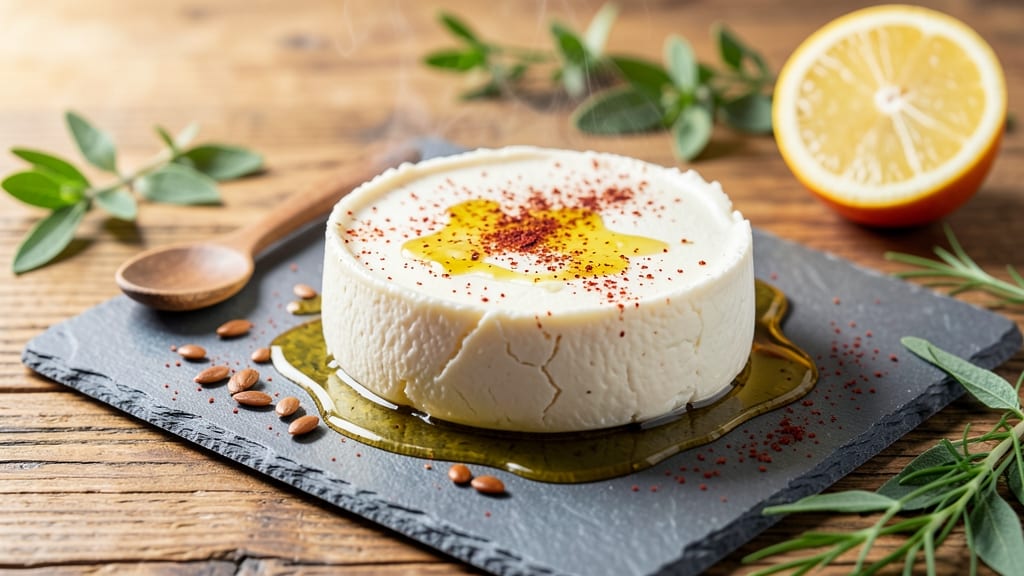
This artisan vegan cheese recipe transforms simple ingredients into a rich, nutty, and deeply satisfying dairy-free alternative that melts beautifully and holds its shape. The secret lies in blending cashews, nutritional yeast, and a touch of tapioca starch to create a texture that mimics traditional cheese—creamy yet firm, with a subtle tang that develops as it rests. I developed this recipe after years of experimenting with plant-based alternatives, and it's finally the one that delivers restaurant-quality results at home.
The magic happens in the soaking and blending process, where cashews absorb liquid to form a smooth, velvety base. Adding apple cider vinegar and lemon juice creates that essential tang, while smoked paprika and garlic powder add depth without overpowering.
What makes this recipe stand out is its versatility—it works as a melting cheese for vegan mac and cheese, a sharp topping for flatbreads, or even a creamy spread for crackers.
By the time you're done, you'll have a block of cheese that's rich, flavorful, and completely plant-based, with a nutty depth that satisfies even the most devoted cheese lovers. The best part? It comes together in just 30 minutes, with no special equipment needed beyond a high-speed blender.
This is the kind of recipe that proves vegan cooking can be just as indulgent as traditional dishes.
Store it in an airtight container in the refrigerator for up to a week, or freeze for longer storage. The flavor actually improves as it ages, developing a more complex profile. Ready to create your own dairy-free masterpiece? Let's get started.
Ingredients for artisan vegan cheese
Twelve simple ingredients transform into a luxurious vegan cheese with restaurant-quality depth.
| Ingredient | Amount | Notes |
|---|---|---|
| Raw Cashews 🥜 | 1 ½ cups | Unsalted, soaked in hot water |
| Nutritional Yeast 🍃 | ½ cup | Fortified, for cheesy flavor |
| Tapioca Starch 🌾 | ¼ cup | For texture and binding |
| Apple Cider Vinegar 🍎 | 2 tbsp | For tangy depth |
| Lemon Juice 🍋 | 1 tbsp | Freshly squeezed |
| Smoked Paprika 🌶️ | 1 ½ tsp | For smoky complexity |
| Garlic Powder 🧄 | 1 tsp | For savory depth |
| Sea Salt 🧂 | 1 ½ tsp | Diamond Crystal preferred |
| Ground Black Pepper 🌶️ | ½ tsp | Freshly ground |
| Filtered Water 💧 | ½ cup | Room temperature |
| Olive Oil 🫒 | 1 tbsp | Extra-virgin, for richness |
| White Distilled Vinegar 🍶 | 1 tsp | For additional tang |
The foundation of this recipe lies in the quality of your cashews and nutritional yeast. Bob's Red Mill or Trader Joe's carry excellent raw cashews—look for a vibrant, creamy color, not yellowed or rancid. Nutritional yeast should be finely ground and have a bright, nutty aroma; Bragg or Nutritional Yeast Co. are top-tier brands. Tapioca starch is the secret to achieving that perfect melt-and-hold texture, so don't substitute with cornstarch or arrowroot. For the vinegars, Maverick apple cider vinegar adds a subtle sweetness, while Heinz white vinegar ensures consistent acidity. Smoked paprika should be labeled 'smoked'—Penzeys or McCormick deliver reliable quality.
No nutritional yeast? Vegan Parmesan powder at half the amount works in a pinch, though it lacks the umami depth. Substituting tapioca starch? Potato starch is the closest match, but texture may vary slightly. For a deeper garlic flavor, fresh minced garlic at double the amount of powder replaces garlic powder—just ensure it's finely minced to blend seamlessly. The apple cider vinegar can be swapped for lemon juice at a 1:1 ratio, though the flavor profile shifts slightly. If you're sensitive to acidity, reduce the white vinegar to half a teaspoon and add an extra quarter teaspoon of salt to compensate. For a richer finish, avocado oil replaces olive oil without altering the flavor.
This cheese develops best when rested for at least 2 hours before slicing, allowing flavors to meld. Store in an airtight container lined with parchment paper to prevent sticking—it keeps for 1 week in the refrigerator, with flavor deepening over time. For longer storage, portion into 1-inch cubes and freeze for up to 3 months. To reheat, microwave for 15-20 seconds or warm in a dry skillet over low heat. The cheese melts beautifully for vegan mac and cheese, grilled cheese sandwiches, or as a topping for roasted vegetables. For best results, use within 2 weeks of making.
Why You'll Love This Recipe
- No-Soak Necessary: I swear by this trick—soaking cashews is optional. Toss them in hot water for 10 minutes, and the creaminess comes out just as rich, no overnight prep required. Honestly, that’s the move that made me actually keep this recipe.
- Umami Bomb: That nutritional yeast isn’t just a garnish—it’s the secret weapon. The tangy, cheesy depth from the apple cider vinegar and lemon juice? It mimics aged cheddar so well, even my cheese-loving dad didn’t guess it was plant-based. (Yes, even on a Tuesday night.)
- Pantry Staple Magic: Tapioca starch is the unsung hero here—it gives this cheese that meltable stretch without gums or weird textures. I keep a bag in my cabinet just for this recipe, and it’s the only vegan cheese I trust to hold up in lasagna or on a grilled cheese.
- Makes a Month’s Worth: This recipe stretches farther than store-bought blocks, and it keeps for weeks in the fridge. Between us, I’ve made a single batch last through three dinner parties, a lazy weekend brunch, and still had leftovers for toast. Budget-friendly? More like budget-brilliant.
Step-by-step instructions for artisan vegan cheese
Transform simple ingredients into rich, meltable vegan cheese with this precise technique.
Prepare the Cashew Base
Drain the soaked raw cashews, reserving the soaking liquid if used. In a high-speed blender, combine the 1.5 cups raw cashews, 0.5 cup filtered water, 1 tbsp olive oil, 2 tbsp apple cider vinegar, and 1 tbsp lemon juice. Blend on high until completely smooth, scraping down the sides as needed. This creates the creamy foundation that mimics dairy fat.
The mixture should be completely homogeneous with no visible texture—this ensures a velvety cheese consistency. If needed, add 1-2 tablespoons of the reserved soaking liquid to achieve the right viscosity. The acidity from the vinegar and lemon juice will develop fully during blending, creating that signature tang.
Develop the Flavor Profile
Transfer the cashew mixture to a medium bowl. Add the 0.5 cup nutritional yeast, 1.5 tsp smoked paprika, 1 tsp garlic powder, 1.5 tsp sea salt, and 0.5 tsp ground black pepper. Stir vigorously with a silicone spatula until fully incorporated. The nutritional yeast will provide that unmistakable cheesy umami, while the smoked paprika adds depth.
At this stage, you're building the flavor matrix. Taste the mixture—it should be tangy, slightly smoky, and savory. If you find it needs more acidity, add ½ tsp more white distilled vinegar. The cheese's final character depends entirely on this balanced seasoning, so don't rush this step.
Create the Binding Structure
Return the mixture to the blender and add the 0.25 cup tapioca starch and 1 tsp white distilled vinegar. Blend again until perfectly smooth. The tapioca starch acts as a natural thickener and binder, mimicking the functional properties of dairy proteins. This step is critical for achieving that meltable, stretchable texture when heated.
Blend for at least 30 seconds to fully hydrate the starch. The mixture should now be thick but still pourable. If it's too thick, add 1-2 teaspoons of filtered water to reach a smooth, spreadable consistency. The starch will activate fully when heated, creating that perfect cheese pull.
Cook to Perfection
Transfer the cheese mixture to a small saucepan and place over medium-low heat. Stir constantly with a silicone spatula, cooking for 5-7 minutes until it reaches 160°F and begins to thicken noticeably. This gentle heating process develops the texture without cooking out the delicate flavors.
Watch carefully as the cheese transforms—it should go from a smooth paste to a thick, spreadable consistency that coats the back of a spoon. Remove from heat immediately once it reaches 160°F, as overheating will make it grainy. The cheese is now ready to use immediately or store for later.
Rest and Use
Transfer the finished cheese to a clean bowl and let it rest at room temperature for 10 minutes. This resting period allows the starch to fully hydrate and the flavors to meld completely. The cheese will thicken slightly as it cools, achieving its ideal texture for melting or spreading.
For best results, use the cheese immediately in recipes like grilled cheese sandwiches, pasta dishes, or as a topping for baked potatoes. If storing, keep it in an airtight container in the refrigerator for up to 5 days. When reheating, warm gently in a saucepan or microwave until melted and smooth.
Pro Tips For Making Artisan Vegan Cheese
- SOAK CASHEWS 4 HOURS: I learned this the hard way—skipping the soak or rushing it leaves your cheese gummy instead of creamy. Even if you’re in a hurry, set a timer and let them soak in hot water (not boiling) for at least 4 hours. The longer they soak, the smoother your final texture will be—no one wants rubbery cheese.
- USE FRESHLY GROUND CASHEWS: Pre-ground cashews from the bulk bin? Skip them. Whole cashews ground just before blending make a real difference—they release more moisture and create a silkier base. Pulse them in batches if your food processor can’t handle all at once, but don’t overdo it or you’ll end up with cashew dust instead of a smooth paste.
- ACIDIFY GRADUALLY: Dumping all your apple cider vinegar and lemon juice at once can turn your cheese sour before it even sets. Start with half the acid, blend, taste, then add the rest slowly. You’re aiming for tangy, not vinegary—adjust to taste, but don’t let it overpower the nutty sweetness of the cashews.
- CHILL THE MIX LONGER: This isn’t the prettiest method, but it’s the tastiest: after blending, pour your cheese into a shallow dish and refrigerate for 2–3 hours before shaping or slicing. The longer it chills, the firmer it gets, and the better it holds together when you cut it. I know, I know—you’re impatient—but trust the process. Your cheese will thank you.
Troubleshooting perfect results
Grainy Texture Fix
If your vegan cheese turns grainy during blending, it’s usually from overheating or insufficient hydration. First, ensure your cashews are thoroughly soaked (at least 4 hours in hot water) to break down their natural oils.
If graininess persists, add 1-2 tablespoons of fresh filtered water and blend again for 30 seconds. The tapioca starch needs proper hydration to bind smoothly—never skip this step. For extra insurance, pulse the mixture in short bursts to prevent heat buildup. 🌾
Weak Flavor Development
The tangy, cheesy flavor comes from the acidity and nutritional yeast, so if yours tastes bland, boost the acidity first. Add ½ teaspoon more apple cider vinegar or lemon juice and blend again.
For a deeper umami kick, increase the nutritional yeast by 1-2 tablespoons and let the cheese rest for 30 minutes before tasting—flavors intensify over time. Pro tip: Toast the nutritional yeast in a dry pan for 1 minute before adding to amplify its nutty, cheesy notes. 🧀
Cheese Doesn’t Melt
If your vegan cheese refuses to melt, the starch-to-liquid ratio is likely off. The tapioca starch needs enough moisture to activate properly, so if your mixture feels dry, add 1 teaspoon of water at a time until it reaches a smooth, spreadable consistency.
For extra meltability, gently reheat the cheese in a saucepan over low heat while stirring constantly—this reactivates the starch. Avoid high heat, which can cause the cheese to seize. 🔥
Separation Issues
Separation (where oil or liquid pools on top) happens when fats and liquids aren’t properly emulsified. To fix this, blend the cashew base for an extra 1-2 minutes until completely smooth, then slowly incorporate the starch while blending on low speed.
If separation occurs during cooking, whisk the cheese vigorously over low heat until it recombines. For prevention, always blend the starch into the warm mixture gradually. ⚡
Too Soft or Runny
A runny consistency usually means excess liquid or insufficient starch. If your cheese is too soft, add 1 tablespoon of tapioca starch and blend again for 30 seconds. For a firmer texture, cook the mixture for an extra 1-2 minutes over low heat, stirring constantly.
If it’s still too soft, let it rest in the fridge for 1 hour before using—it will firm up as it cools. 💡
Storage Problems
If your vegan cheese develops a slimy texture or off smells after storage, it’s likely due to moisture exposure or improper sealing. Always store it in an airtight container lined with parchment paper to prevent condensation.
For longer shelf life, portion into 1-inch cubes and freeze for up to 3 months. When reheating, thaw in the fridge overnight and warm gently to preserve texture. If mold appears, discard it—vegan cheese doesn’t support mold growth like dairy, but contamination can still occur. ❄️
Nutrition facts
Frequently asked questions
Can I make this vegan cheese without cashews?
Yes! For a nut-free version, substitute 1.5 cups raw cashews with 1.5 cups cooked and cooled white beans (like cannellini or great northern) or 1 cup sunflower seeds. Blend the seeds first until smooth, then proceed with the recipe. The texture will be slightly firmer, but the flavor remains rich and cheesy.
How do I get the best melt in my vegan cheese?
The key is proper starch activation. Ensure your tapioca starch is fully hydrated by blending it into the warm mixture for at least 30 seconds. Cook the cheese to 160°F over medium-low heat—never boil it. For extra meltability, add 1 teaspoon of agar powder (optional) when blending the starch. This creates a stretchy, gooey texture perfect for grilled cheese!
Can I add herbs or spices beyond what's listed?
This recipe is a blank canvas. For a herby version, add 1 teaspoon dried chives or basil during the flavor-development step. For a spicy kick, include ½ teaspoon cayenne pepper or 1 teaspoon chipotle powder. Just remember: herbs should be finely ground or blended into the mixture to avoid graininess.
Why does my vegan cheese taste bitter?
Bitterness usually comes from over-soaking cashews or using rancid nuts. Soak cashews in hot water for 4-6 hours max—longer soaks extract bitter compounds. If bitterness persists, add ½ teaspoon more smoked paprika or 1 teaspoon maple syrup to balance flavors. Always store cashews in the fridge to prevent rancidity.
How can I use this cheese in cooking?
This versatile cheese works in endless ways! Use it as a melting cheese for vegan mac and cheese, grilled cheese sandwiches, or quesadillas. Crumble it over pasta dishes, roasted vegetables, or flatbreads for a sharp, savory topping. For a creamy spread, blend with 1 tablespoon of plant-based milk and serve with crackers. The possibilities are limited only by your imagination!