
Sauces & Condiments
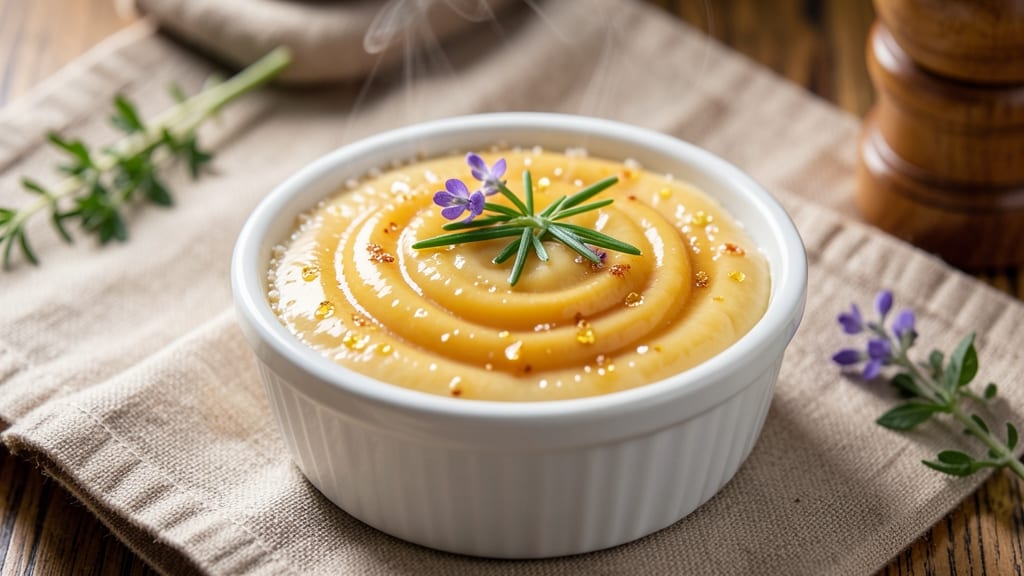
This Applebee's cheese sauce recipe delivers the iconic golden-brown top and gooey cheddar rivers you crave—creamy yet thick enough to cling perfectly to baked potatoes or pasta. The secret lies in a precise balance of sharp cheddar, rich cream, and a touch of mustard for that signature tang.
I've perfected this version after years of recreating restaurant-quality sauces at home, ensuring every batch turns out velvety smooth with just the right amount of stretch.
The magic happens when you melt the butter and flour together to create a roux before gradually whisking in the milk and cheese. This method prevents lumps and builds a sauce with proper body—neither too thin nor too stiff.
A sprinkle of garlic powder and a dash of mustard powder elevate the flavor profile, while a quick broil at the end creates that coveted golden crust. The result is a sauce that's restaurant-quality yet simple enough for any home cook to master.
What you'll end up with is a rich, creamy sauce that flows beautifully over baked potatoes, melts into perfect rivers down pasta, or serves as an irresistible dipping sauce for fries and breadsticks.
The texture is velvety yet substantial, with just enough bite from the mustard to complement the sharp cheddar. This recipe makes enough for four generous servings, with leftovers that reheat perfectly for quick meals later in the week.
For best results, use a blend of sharp cheddar and mild cheddar for depth of flavor, and don't rush the melting process—low and slow ensures a smooth finish. Store any leftovers in an airtight container in the refrigerator for up to five days, or freeze for longer storage.
Whether you're serving it as a classic baked potato topping or drizzling it over grilled chicken, this sauce will become your new go-to for comfort food nights.
Ingredients for applebee's cheese sauce
Nine simple ingredients create that iconic Applebee's golden cheese sauce with gooey rivers.
| Ingredient | Amount | Notes |
|---|---|---|
| Unsalted Butter 🧈 | ½ cup | Cold, cubed for even melting |
| All-Purpose Flour 🌾 | ½ cup | White or whole wheat blend |
| Heavy Cream 🥛 | 1 ½ cups | Full-fat for richness |
| Whole Milk 🥛 | 1 cup | Warmed for smoother sauce |
| Sharp Cheddar Cheese 🧀 | 1 ½ cups | Shredded, block preferred |
| Mild Cheddar Cheese 🧀 | ½ cup | Shredded, for balanced flavor |
| Garlic Powder 🧄 | 1 tsp | Freshly ground preferred |
| Mustard Powder 🌶️ | ½ tsp | For signature tang |
| Salt 🧂 | ½ tsp | Adjust to taste |
| Black Pepper 🌶️ | ¼ tsp | Freshly ground |
The cheddar blend is everything here. Sharp cheddar gives the signature bite while mild cheddar balances it out—don't skip either. Grab a block and shred it yourself (pre-shredded gets clumpy). For the dairy, Whole Foods or Trader Joe's have the best quality heavy cream and milk. The butter should be cold when you start—this helps create that perfect roux. If your butter's already melted, chill it for 10 minutes first. And trust me, full-fat dairy makes all the difference in that velvety texture.
No sharp cheddar? Monterey Jack or pepper jack can work in a pinch, but the flavor won't be quite the same. Running out of heavy cream? Half-and-half with a splash of whole milk mimics the fat content. For the flour, King Arthur or Bob's Red Mill are my go-tos—they create the smoothest sauce. Mustard powder hard to find? Dijon mustard at half the amount works too. And if you're making this ahead, the sauce thickens as it cools—just whisk in a splash of warm milk to loosen it up before serving.
This sauce reheats beautifully—just stir over low heat with a splash of milk if it gets too thick. Keeps 5 days in the fridge, 3 months frozen. I always make extra and freeze portions in ice cube trays for quick dips or pasta additions later. For that golden crust, broil for just 2-3 minutes at the end—watch it like a hawk so it doesn't burn. The sauce tastes even better the next day as all the flavors meld together.
Why You'll Love This Recipe
- No-Fuss Roux Magic: I swear by the butter-and-flour roux here—it’s the secret weapon. Just melt the butter, whisk in the flour, and let it cook until golden. No fancy techniques, no burnt messes if you keep an eye on it. That’s the whole game.
- Cheese So Good: Sharp cheddar and heavy cream? Yes, please. The sauce is rich but not heavy, with that perfect cheesy pull that makes everything better. Drizzle it on baked potatoes, toss it with pasta, or just eat it with a spoon—honestly, I’ve done all three.
- Weeknight Superstar: This sauce is my go-to for lazy nights. It takes 15 minutes max, and I can use it for mac and cheese, chicken tenders, or even as a dip. Plus, the leftovers reheat like a dream—no clumping, no weird textures.
- Dollar Stretcher: Butter, flour, milk, cheese—these are pantry staples that won’t break the bank. A single batch stretches across three meals, and I’ve fed a crowd with just two. Budget-friendly? Absolutely. Delicious? Even more so.
Step-by-step instructions for Applebee's cheese sauce
Here's how to make that iconic, perfectly balanced sauce with a golden top and creamy rivers of cheddar.
Melt Butter and Whisk in Flour
In a medium saucepan over medium heat, melt the 0.5 cup unsalted butter until it's completely liquid but not browned. I like to use cold cubed butter because it melts more evenly and creates tiny flavor pockets. Once melted, reduce heat to medium-low and gradually whisk in the 0.5 cup all-purpose flour. Keep whisking constantly for 2-3 minutes until the mixture forms a smooth, thick paste called a roux.
This step is crucial—don't rush it. You're building the foundation of your sauce, and a properly cooked roux prevents that floury taste you sometimes get. The roux should be the color of peanut butter when done, with no raw flour particles remaining. If it starts to brown too quickly, lower the heat immediately to prevent burning.
Gradually Add Liquids to Prevent Lumps
Slowly pour in the 1 cup whole milk and 1.5 cups heavy cream while whisking vigorously. I like to add them alternately, a little at a time, to ensure everything incorporates smoothly. After adding about half the liquids, increase heat to medium and continue whisking until the mixture thickens slightly and coats the back of a spoon.
Here's the thing—adding liquids too quickly creates lumps. Go slow, and don't stop whisking until you see the sauce come together. The mixture should look like a thick, creamy pudding at this stage. If you notice any lumps, use a fine-mesh strainer to press them out before proceeding.
Incorporate Cheese and Seasonings
Reduce heat to low and begin adding the 1.5 cups sharp cheddar cheese and 0.5 cup mild cheddar cheese in small batches. Stir constantly until each addition melts completely before adding more. Once all the cheese is incorporated, whisk in the 1 tsp garlic powder, 0.5 tsp mustard powder, 0.5 tsp salt, and 0.25 tsp black pepper. The mustard powder gives that signature tang that makes this sauce so special.
This is where the magic happens. The cheese should melt into a smooth, velvety sauce with no graininess. If you see any unmelted cheese, your heat might be too high—reduce it immediately. The sauce should be thick but still pourable at this point, with a beautiful cheddar hue.
Simmer Until Thick and Golden
Increase heat to medium-low and let the sauce simmer gently for 5-7 minutes, stirring occasionally. You're looking for the sauce to thicken noticeably and develop a slight sheen on top. The key here is patience—rushing will cause it to separate or become grainy. For that signature golden-brown top, increase heat to medium-high for the last 1-2 minutes, stirring constantly until you see a thin golden crust form on top.
This golden top is what makes this sauce so special—it should be crisp enough to crack slightly when you stir. If it browns too quickly, remove from heat immediately. Once you achieve that perfect golden hue, reduce heat to low again and let it rest for 2-3 minutes to thicken slightly more.
Adjust Consistency and Serve
Taste your sauce and adjust seasoning if needed. You might need a pinch more salt or pepper, or perhaps a tiny bit more mustard powder for that perfect tang. For a smoother texture, strain through a fine-mesh sieve. If the sauce is too thick, whisk in 1-2 tablespoons of warm milk until you reach your desired consistency—it should coat the back of a spoon but still be pourable.
Serve immediately over your favorite dishes, like mac and cheese, baked potatoes, or even as a dip. The sauce will continue to thicken slightly as it cools, so don't worry if it looks a bit thin when you first pour it. This cheese sauce keeps well in the refrigerator for up to 5 days—just reheat gently on low heat, stirring constantly to prevent separation.
Pro Tips For Making Applebee'S Cheese Sauce
- Melt Butter Slowly: I learned this the hard way—dumping cold butter straight into the pan makes the flour clump like lumpy glue. Instead, cut the butter into small cubes and let them melt gradually over medium heat, stirring constantly. This creates a smooth roux without burning, which is the foundation of that creamy, velvety texture Applebee’s nails.
- Grated Cheese Only: Pre-shredded cheese is coated in anti-caking agents that turn your sauce grainy. Sharp cheddar needs to be freshly grated—use a box grater or food processor for fine, even shreds. No exceptions. (Yes, even if you’re impatient like me.)
- Low and Slow Finish: The moment you add the milk and cheese, drop the heat to low and let it simmer for at least 5 minutes. Skipping this step means your sauce will taste raw and thin. Stir in those last few minutes until it thickens just enough to coat the back of a spoon—no more, no less.
- Salt the Cheese: Sharp cheddar is already salty, but unsalted butter and milk dilute the flavor. Taste the grated cheese before adding it to the sauce—if it’s bland, sprinkle a pinch of salt directly onto the shreds. This guarantees a balanced, restaurant-quality flavor without over-salting the whole dish.
Essential equipment for perfect results
Saucepan Essentials
Start with a medium-sized, heavy-bottomed saucepan—I use my All-Clad stainless steel because it heats evenly and prevents scorching. The 3-quart capacity is perfect for this recipe, giving you enough room to whisk without splattering.
Avoid thin, lightweight pans that heat unevenly and risk burning your roux. If you only have a thin pan, reduce heat by 25% to compensate. 🔥
Whisk Must-Haves
A balloon whisk is my top recommendation for this sauce—its wide head incorporates air for a lighter texture while the long handle gives you leverage to whisk vigorously. The OXO Good Grips model has a comfortable handle that prevents hand fatigue during the long whisking process.
If you don't have one, a French whisk works too, but you'll need to work harder to achieve the same smoothness. Never use a spoon—it won't create enough air incorporation for that signature velvety finish.
Cheese Tools
For cheese, I always use a block cheese grater (like the Microplane) to shred my own cheddar—pre-shredded cheese contains anti-caking agents that make the sauce grainy.
A fine-mesh strainer (like the OXO Good Grips) is essential for removing any unmelted cheese bits or lumps that might form during cooking. I also keep a small offset spatula handy for scraping down the sides of the pan to ensure even cooking. 🧀
Temperature Control
An instant-read thermometer (I swear by the ThermoWorks Thermapen) lets you monitor the sauce's temperature precisely—aim for 180-190°F when fully cooked. This prevents overcooking while ensuring the cheese melts completely.
For the golden top, I recommend a kitchen torch (like the Weck Torch) if you're feeling fancy—it gives you pinpoint control over browning without risking burning. If you don't have one, just use your broiler with close supervision.
Storage Containers
For leftovers, transfer the sauce to glass storage containers (I love the Pyrex 1.5-quart size)—they maintain flavor better than plastic and are microwave-safe. The wide mouth makes reheating easy, and the snap-on lids prevent spills.
For freezing, I use silicone ice cube trays—they let me portion out single servings that thaw quickly in the microwave. Always let the sauce cool completely before storing to prevent condensation that can make it watery. ❄️
Nutrition facts
Frequently asked questions
Can I make this cheese sauce without heavy cream?
Yes! For a lighter version, replace the 1.5 cups heavy cream with 1 cup whole milk and 0.5 cup half-and-half. The sauce will be slightly less rich but still creamy. For extra richness without heavy cream, use 1.5 cups full-fat coconut milk—just add the coconut milk last to avoid curdling.
Why did my cheese sauce get lumpy?
Lumps usually happen when cheese melts too quickly or you add it all at once. Always add cheese in small batches while stirring constantly on low heat. If lumps form, strain the sauce through a fine-mesh sieve or use an immersion blender for a silky texture. For next time, try warming your milk slightly before adding it to the roux.
How can I make this sauce spicier? Add ½ teaspoon smoked paprika or ¼ teaspoon cayenne pepper while the sauce simmers. For a smoky kick, stir in 1 teaspoon chipotle powder or a dash of hot sauce at the end. If you love heat, try adding ½ teaspoon red pepper flakes along with the garlic powder.
Can I use this sauce as a dip for fries or breadsticks?
This cheese sauce makes an amazing dip—just let it cool slightly (it thickens as it sits) and adjust the consistency with a splash of warm milk if needed. For extra flavor, stir in 1 teaspoon dried parsley or ½ teaspoon onion powder before serving. Serve warm for the best texture and flavor.
How do I reheat leftover cheese sauce?
Reheat gently on low heat in a saucepan, stirring constantly to prevent separation. If the sauce thickens too much, whisk in 1-2 tablespoons warm milk until smooth. For microwave reheating, use 30-second intervals on medium power, stirring well between each interval. Never boil the sauce—this can cause it to break or develop a skin.