
Sauces & Condiments
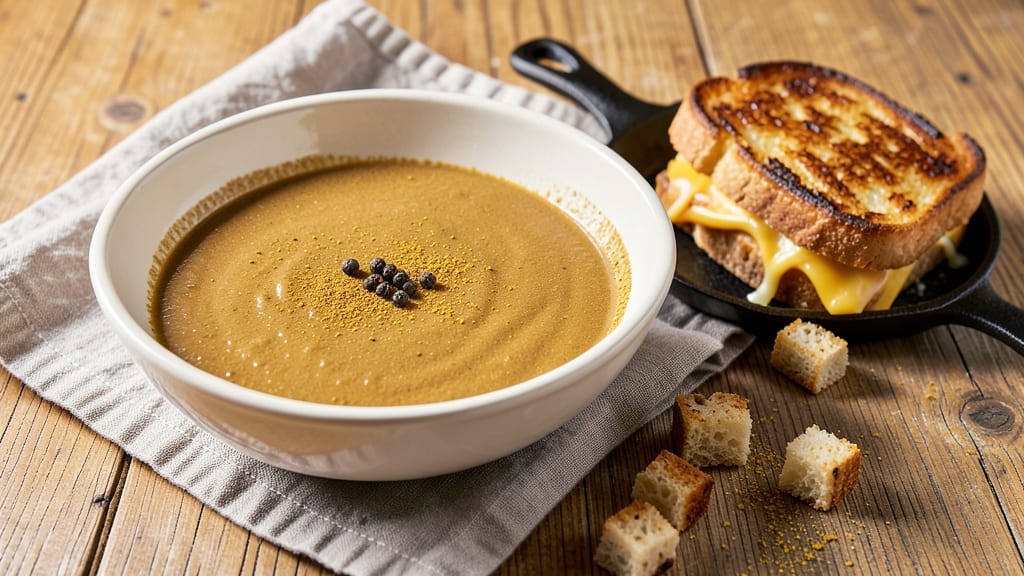
Anthony's cheddar cheese powder sauce transforms ordinary dishes into sharp, cheesy masterpieces with just a splash of liquid. This foolproof recipe delivers restaurant-quality depth—bold, tangy, and perfectly balanced—without the mess of melting cheese.
The secret lies in carefully blending dehydrated cheddar with stabilizers that prevent clumping, ensuring a smooth, creamy sauce every time you whisk it with milk or broth.
The beauty of this powdered sauce is its versatility—it dissolves instantly into soups, elevates mac and cheese from ordinary to extraordinary, and creates rich dips in seconds.
No need for precise measurements; simply mix with hot liquid until silky, and you’ll have a sharp, umami-packed sauce ready to enhance any dish. Perfect for batch cooking, camping trips, or when you need cheesy flavor without the fuss of grating and melting.
What sets this recipe apart is the sharp cheddar flavor profile that stays true even after dehydration. The powder keeps indefinitely in your pantry, so you’ll always have a quick way to add depth to sauces, casseroles, or even popcorn.
The process is simple: blend, store, and mix—no special equipment required. Once you try it, you’ll never go back to store-bought cheese sauces again.
Use it as a time-saving shortcut for weeknight dinners or as a game-changer for bulk meal prep. The possibilities are endless—from creamy pasta dishes to hearty chili toppings. Let’s get started on this professional-grade sauce that’s easier to make than you’d think.
Ingredients for anthony's cheddar cheese powder sauce
Nine pantry staples transform into a sharp, restaurant-quality cheese powder that dissolves instantly into any dish.
| Ingredient | Amount | Notes |
|---|---|---|
| Sharp Cheddar Cheese 🧀 | 1 lb | Block form, freshly grated |
| Cornstarch 🌾 | ¼ cup | Fine grade for smooth texture |
| Dried Mustard Powder 🌶️ | 1 tbsp | For tangy depth |
| Onion Powder 🧅 | 1 tsp | Enhances umami |
| Garlic Powder 🧄 | ½ tsp | Freshly ground preferred |
| Salt 🧂 | 1 tsp | Diamond Crystal preferred |
| Black Pepper 🌶️ | ¼ tsp | Freshly cracked |
| Xanthan Gum 🧪 | ¼ tsp | Prevents clumping |
| Powdered Milk 🥛 | ¼ cup | Non-fat for neutral base |
The cheddar is non-negotiable—sharp, aged varieties like Cabot or Tillamook deliver the boldest flavor. Grab a 1-pound block from the deli counter (pre-shredded gets waxy and clumpy), and grate it yourself for maximum freshness. If you're using pre-grated, pulse it in a food processor to break up the anti-caking agents. The cornstarch is your secret weapon here—it creates that velvety texture when rehydrated, while the xanthan gum ensures it dissolves smoothly without clumping. For the mustard powder, G. Heinz or French's are reliable brands that won't overpower the cheddar.
No sharp cheddar? Pepper jack or smoked cheddar add interesting twists, though the sharpness will be milder. Running low on xanthan gum? Extra cornstarch (0.5 tsp more) works in a pinch, though the texture won't be quite as silky. The powdered milk is crucial—it helps the sauce cling to foods when mixed with liquid. If you're out, non-fat dry milk is the only substitute (no instant milk powder). For extra tang, add 0.5 tsp of citric acid (found in baking aisles), but it's optional. The spices? Toast your onion and garlic powders in a dry pan for 30 seconds before blending—it deepens the flavor without adding moisture.
Store the finished powder in an airtight container in a cool, dark place—it'll keep for up to 6 months without losing potency. For best results, mix with hot (not boiling) liquid and whisk vigorously until completely dissolved. The sauce thickens as it cools, so adjust with extra milk or broth if needed. I keep a small jar in my pantry for quick mac and cheese upgrades, and another in my camping gear—just add hot water anywhere. Freeze portions if you won't use them within a month, but it's not necessary for short-term storage.
Why You'll Love This Recipe
- Pantry Magic: I swear by this sauce because it lives in my spice rack. No fresh ingredients needed—just toss in the cheddar powder, a splash of milk, and let the mustard and garlic powders do their thing. It’s the kind of recipe that proves you don’t need a pantry full of perishables to make something taste like you slaved over it.
- Umami Bomb: That sharp cheddar powder? It’s the star. The dried mustard and garlic powders add this deep, savory punch that makes it taste way more complex than it sounds. Honestly, I’ve used it on everything from mac and cheese to roasted veggies, and it never disappoints.
- Game-Changer Leftovers: This sauce doesn’t just disappear after one meal. I make a big batch, store it in the fridge, and use it for days—drizzled over grilled chicken, stirred into soups, or even mixed into mashed potatoes. It’s my secret weapon for turning boring leftovers into something worth eating.
- Budget Stretch: Between us, this recipe is the reason I can afford to buy good cheese. A little goes a long way, and the powdered version means no waste. Plus, the cornstarch keeps it smooth without breaking the bank. It’s the kind of flavor boost that makes even the simplest meal feel special.
Step-by-step instructions for anthony's cheddar cheese powder sauce
Transform sharp cheddar into a velvety, tangy powder sauce that elevates everything from mac and cheese to soups.
Grate the Sharp Cheddar Cheese Finely
Use a box grater or food processor to shred the 1 lb of sharp cheddar cheese into fine, even crumbles. The finer the grate, the smoother your sauce will become. I like to pulse in a food processor for 30 seconds to break up any large pieces completely—this ensures no gritty texture remains. Spread the grated cheese on a baking sheet and refrigerate for 15 minutes to remove any excess moisture before proceeding.
This chilling step is crucial because moisture in the cheese can create lumps in your powder sauce. If you're short on time, pat the grated cheese dry with a paper towel after refrigerating. The goal is a completely dry, powdery base that will blend seamlessly with your other ingredients.
Whisk Dry Ingredients Together
In a large mixing bowl, combine the 0.25 cup of cornstarch, 1 tbsp of dried mustard powder, 1 tsp of onion powder, 0.5 tsp of garlic powder, 1 tsp of salt, 0.25 tsp of black pepper, 0.25 tsp of xanthan gum, and 0.25 cup of powdered milk. Use a whisk to break up any clumps and ensure all ingredients are evenly distributed. The xanthan gum might seem like an odd addition, but it's what prevents clumping and gives the sauce that ultra-smooth texture.
I like to sift the powders through a fine-mesh sieve first to eliminate any potential lumps, then mix them thoroughly with the grated cheese. This step is where all the flavor layers come together—the tangy mustard, savory onion and garlic powders, and the subtle sweetness of the powdered milk. The mixture should look like a fine, dry cheese powder with no visible streaks of individual ingredients.
Gradually Add Liquid for a Smooth Sauce
Begin adding your liquid of choice—whether it's 1 cup of warm milk, broth, or water—1 tablespoon at a time while whisking constantly. You'll notice the mixture will start to clump initially, but keep whisking vigorously until it smooths out. The key is patience here; rushing this step will result in a grainy texture. After adding about ½ cup of liquid, the mixture should transform into a thick, pourable consistency.
If you're using this sauce for mac and cheese, I recommend using warm milk for a richer flavor. For soups or casseroles, broth works beautifully. The sauce should coat the back of a spoon but still be pourable. If it's too thick, add more liquid 1 teaspoon at a time until you reach the desired consistency. The xanthan gum will help stabilize the sauce, preventing it from separating later.
Simmer for Maximum Flavor Development
Transfer the sauce to a saucepan and place it over medium-low heat. Stir constantly with a wooden spoon or silicone spatula, letting the sauce simmer for 5-7 minutes. You'll notice the sauce thickening further as it heats, and the sharp cheddar flavor will become more pronounced. The simmering step also helps eliminate any raw flour taste from the cornstarch.
Here's the thing—don't walk away. The sauce can burn quickly if you're not attentive. You're looking for a smooth, glossy finish with no lumps. If the sauce starts to separate, whisk in 1 tablespoon of warm liquid to bring it back together. Once it reaches your desired consistency—thick enough to coat the back of a spoon but still smooth—remove it from heat immediately.
Use Immediately or Store Properly
For best results, use the sauce immediately in your favorite dishes—mac and cheese, soups, or even as a dip for veggies. If you need to store it, let it cool completely, then transfer it to an airtight container. The sauce will keep in the refrigerator for up to 5 days, though I find it's best used within 2-3 days for peak flavor. To reheat, warm it gently over low heat, stirring constantly to prevent clumping.
This sauce is incredibly versatile. I like to use it as a finishing touch for baked potatoes, a topping for nachos, or even mixed into mashed potatoes for an extra cheesy kick. The sharp cheddar flavor shines through, making it a perfect addition to any dish that could use a cheesy upgrade. Store any leftovers in the freezer for up to 3 months, though the texture may change slightly after freezing.
Pro Tips For Making Anthony'S Cheddar Cheese Powder Sauce
- Grate the Cheese Fresh: Pre-shredded cheddar packs in anti-caking agents that make your sauce grainy—no matter how much you stir. Grab a box of sharp cheddar blocks, use a box grater, and save yourself the frustration of lumpy sauce later.
- Whisk the Cornstarch First: Mix the cornstarch with a splash of cold water or broth before adding it to the pan—this prevents clumping and gives you a smoother sauce every time. I learned this the hard way when my sauce turned into a gluey mess.
- Low and Slow After Adding Cheese: Once you fold in the cheddar, drop the heat to medium-low and keep stirring. Rushing it with high heat burns the cheese before it melts, leaving you with a bitter, grainy disaster instead of a creamy sauce.
- Toast the Spices Briefly: Bloom the onion, garlic, and mustard powders in the oil for 30 seconds before adding liquid—this wakes up their flavors and cuts through the sharpness of the cheddar. Skip this, and your sauce tastes flat.
Perfect pairings for these flavors
Mac and Cheese Game-Changer
This powder sauce transforms classic mac and cheese into a restaurant-worthy dish with minimal effort. Simply mix 2 tablespoons of the powder with ½ cup warm milk until smooth, then stir into your cooked pasta.
For extra decadence, add ½ cup shredded cheddar and 1 tbsp butter while the pasta cooks. The sharp cheddar flavor cuts through the creaminess beautifully, and the sauce clings perfectly to every noodle. 🧀
Soups and Stews
Stir 1-2 tablespoons of the powder into hot soups or stews just before serving to add a bold cheesy depth without curdling. It works wonders in chicken noodle soup, clam chowder, or even black bean soup—just whisk it with 2 tablespoons warm broth first to prevent clumping.
The tangy mustard and onion powders enhance the broth's umami, making every spoonful richer. For a creamy finish, top with a sprinkle of fresh parsley.
Nacho and Dip Magic
Turn ordinary nachos into a cheesy fiesta by mixing 3 tablespoons of the powder with ½ cup warm water until smooth. Drizzle over tortilla chips, top with jalapeños, black beans, and melted Monterey Jack cheese, then broil for 2-3 minutes until bubbly.
For a quick dip, blend ¼ cup powder with ½ cup sour cream and 1 tbsp hot sauce—perfect for veggies, chips, or even as a taco sauce. 🌶️
Baked Potato Topping
Skip the butter and sour cream—this sauce is your new go-to potato topping. Mix 1 tablespoon of the powder with 2 tablespoons warm milk until silky, then spoon over baked potatoes. Add a pat of butter and a sprinkle of chives for a gourmet touch.
The sharp cheddar melts into the fluffy potato, creating a creamy, tangy crust that’s way more exciting than plain cheese. Pro tip: Microwave the potato with 1 tablespoon milk inside first for extra moisture.
Breakfast Twist
Elevate scrambled eggs or omelets by stirring 1 tablespoon of the powder into 2 tablespoons warm milk and whisking into the eggs before cooking. The result? Ultra-creamy, cheesy eggs with a sharp kick.
For a breakfast hash, mix 2 tablespoons powder with ½ cup warm broth, then pour over diced potatoes and sausage before baking. The sauce caramelizes beautifully, adding a savory crust to every bite. ✨
Camping and Travel Hack
This sauce is a lifesaver for outdoor cooking. Pack the powder in a small jar and mix it with hot water from your camp stove—instant cheesy flavor for grilled cheese sandwiches, pasta, or even popcorn.
For a one-pot chili, stir 2 tablespoons powder into ½ cup hot broth and mix into the pot. No refrigeration needed; the powder keeps indefinitely, making it perfect for road trips or tailgating. Just add liquid, whisk, and enjoy the cheesy magic anywhere. 🏕️
Nutrition facts
Frequently asked questions
Can I substitute powdered milk with regular milk?
No, you can't substitute powdered milk directly—it won't dissolve properly into the powder blend. The powdered milk in this recipe acts as a stabilizer and flavor base for the cheese powder itself. If you're out, use non-fat dry milk powder (they're the same thing). Regular milk is only used later when mixing the powder with liquid to make the sauce.
Why does my cheese sauce get grainy when I add liquid?
Graininess happens when the cheese powder clumps before fully dissolving. To fix this, whisk the powder with cold liquid first (like milk or broth) until completely smooth, then gradually warm it. The xanthan gum helps prevent clumping, but if you skipped it, add ¼ tsp more cornstarch to your next batch. Always use warm (not hot) liquid when mixing to avoid curdling.
How much powder should I use for different dishes?
Start with 1 tbsp per ½ cup liquid for most dishes (like soups or dips). For mac and cheese, use 2 tbsp per ½ cup warm milk. For nachos or baked potatoes, 1-2 tbsp per ¼ cup warm water works perfectly. Adjust to taste—this powder is 3x more concentrated than traditional cheese sauce, so less goes a long way!
Can I make this powder sauce dairy-free?
Yes! Replace the cheddar with nutritional yeast (½ cup) and use powdered coconut milk instead of powdered milk. Keep the cornstarch and xanthan gum for texture. The flavor will be more umami than cheesy, but it works well in savory dishes like soups or mashed potatoes. For a stronger cheesy taste, add 1 tbsp white miso paste to the powder blend.
Will this powder sauce work for frozen meals?
Freeze the finished sauce in ice cube trays for easy portioning. Thaw overnight in the fridge, then reheat gently. For frozen dishes like lasagna or casseroles, mix 1 tbsp powder per ¼ cup cold water directly into the dish before baking—it'll dissolve smoothly. The powder keeps its potency even after freezing, making it perfect for meal prep.