
Snacks
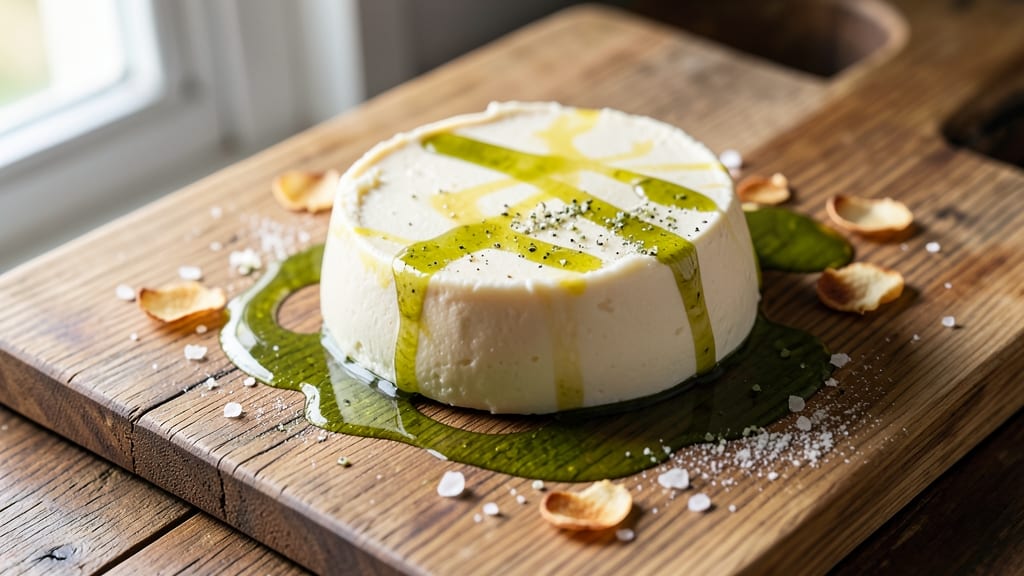
This almond pulp cheese recipe transforms humble almond pulp into a creamy, nutty spread that rivals traditional dairy cheeses—without any milk or butter. 🌟 The secret lies in blending the pulp with simple pantry staples to create a velvety texture that melts beautifully on toast, crackers, or fresh fruit.
I developed this recipe after discovering how versatile almond pulp could be, and it’s become a staple in my kitchen for its rich, slightly sweet flavor and effortless preparation.
The process is surprisingly straightforward: blend almond pulp with a touch of lemon juice, garlic powder, and a pinch of salt until silky smooth, then chill until firm. The lemon brightens the natural nuttiness, while the garlic adds depth that makes it irresistible.
What sets this apart is how it holds its shape when spread yet still melts luxuriously when warmed—perfect for both quick snacks and gourmet applications.
What you’ll end up with is a creamy, spreadable cheese that’s ideal for charcuterie boards, sandwiches, or even as a dip for crudités. It’s rich enough to satisfy cheese cravings but light enough to complement sweet and savory dishes alike.
The best part? No special equipment is needed—just a blender and patience for the flavors to meld.
Pair it with honey and walnuts for a sweet twist, or use it as a base for vegan cheese sauces. This recipe proves that plant-based alternatives can be just as indulgent as their dairy counterparts. Let’s get started!
Ingredients for almond pulp cheese
Simple pantry staples transform almond pulp into a velvety, dairy-free cheese spread.
| Ingredient | Amount | Notes |
|---|---|---|
| Almond Pulp 🌰 | 1 ½ cups | From 1 cup whole almonds |
| Lemon Juice 🍋 | 1 tbsp | Freshly squeezed for brightness |
| Garlic Powder 🧄 | ½ tsp | For savory depth |
| Sea Salt 🧂 | ¼ tsp | Fine grain preferred |
| Extra-Virgin Olive Oil 🫒 | ¼ cup | For creaminess and richness |
| Nutritional Yeast 🍄 | 2 tbsp | For cheesy umami flavor |
| White Miso Paste 🍶 | 1 tbsp | For depth and fermentation |
| Pure Maple Syrup 🍁 | 1 tsp | For subtle sweetness |
| Water 💧 | ¼ cup | Adjust for blending consistency |
| Raw Cashews 🥜 | ½ cup | Soaked for creaminess (optional) |
| Tapioca Starch 🌾 | 1 tbsp | For texture and binding |
Almond pulp is the star here—look for high-quality, organic almonds if possible, as they yield the richest flavor. Trader Joe's and Whole Foods often carry pre-made almond pulp, but making your own from whole almonds is easy: just soak them overnight, blend, and strain. Nutritional yeast is a must for that authentic cheesy flavor; Bragg is a trusted brand that’s widely available. Garlic powder can be swapped for fresh minced garlic (about 1 clove) if you prefer, but powdered is more consistent. The white miso adds depth without overpowering the delicate almond flavor—don’t skip it, even if you’re new to miso.
No nutritional yeast? Dried mushrooms like porcini finely ground work as a substitute, though the flavor will differ slightly. Short on almond pulp? Cashew butter can stretch the recipe, but reduce the water to maintain texture. If you’re avoiding gluten, ensure your tapioca starch is certified gluten-free. The lemon juice is non-negotiable—it brightens the natural sweetness of the almonds and balances the richness. For a tangier finish, add an extra ½ teaspoon. And if you’re feeling adventurous, a pinch of smoked paprika adds a subtle smokiness that pairs beautifully with the nutty base.
This cheese keeps beautifully in an airtight container in the fridge for up to 2 weeks, though it’s best enjoyed within 5-7 days for peak creaminess. For longer storage, portion into small containers and freeze for up to 3 months. To use, simply scoop and spread directly from the fridge—no thawing required. It softens slightly at room temperature, making it perfect for last-minute charcuterie boards or quick snacks. If it separates after blending, just give it a quick pulse in the blender with a splash of water to restore its velvety texture.
Why You'll Love This Recipe
- No Waste Magic: I swear by this recipe because it turns something you’d normally toss—almond pulp—into something ridiculously good. That leftover pulp from making almond milk? Instead of composting it, you’re blending it into a tangy, creamy cheese that’s way better than store-bought.
- Bright & Bold: The lemon juice cuts through the richness, and the garlic powder gives it a savory punch that’s exactly what you want on toast, pasta, or even straight from the spoon. Honestly, the balance is so good I’ve caught myself eating it straight out of the bowl.
- Weeknight Flex: This cheese is my go-to for quick meals—spread it on crusty bread with olive oil, mix it into a sauce, or crumble it over roasted veggies. It’s the kind of thing that turns a lazy dinner into something that feels intentional, even if you’re just reheating leftovers.
- Budget Cheese Hack: I make big batches and keep it in the fridge for days—it doesn’t spoil like fresh cheese, and it’s way cheaper than buying feta or goat cheese. Plus, the olive oil and salt make it taste luxurious without breaking the bank. (Yes, even on a Tuesday night.)
Step-by-step instructions for almond pulp cheese
Transform simple pantry staples into a velvety, plant-based cheese alternative with this foolproof method.
👨🍳 Step 1: Soak and Prepare the Cashews
Place the 0.5 cup raw cashews in a small bowl and cover them completely with hot water. Let them soak for at least 1 hour—this ensures they blend smoothly into a creamy texture. If you're short on time, you can soak them for 30 minutes in boiling water, but longer soaking prevents a gritty result. Drain and rinse them thoroughly before using.
I find that soaking makes all the difference—cashews blend much more easily and create a smoother, more cohesive spread. If you skip this step, you might end up with a slightly grainy texture that doesn't achieve that restaurant-quality creaminess we're after.
🍳 Step 2: Blend All Ingredients Until Silky
In a high-speed blender, combine the soaked cashews, 1.5 cups almond pulp, 0.25 cup extra-virgin olive oil, 0.25 cup water, 1 tbsp lemon juice, 1 tbsp white miso paste, 1 tsp pure maple syrup, 2 tbsp nutritional yeast, 0.5 tsp garlic powder, and 0.25 tsp sea salt. The blender should be about 2/3 full for optimal performance.
Blend on high speed for 2-3 minutes, stopping occasionally to scrape down the sides with a spatula. You're looking for a completely smooth, creamy mixture with no visible particles. The cheese should look like thick, pale yellow yogurt—this is your target consistency. If it's too thick, add 1 teaspoon water at a time until you reach the perfect spreadable texture.
🥘 Step 3: Cook to Thicken and Develop Flavor
Transfer the blended mixture to a medium saucepan and place it over medium-low heat. Stir constantly with a silicone spatula, scraping the bottom to prevent sticking. Cook for 8-10 minutes until the mixture thickens noticeably and begins to pull away from the sides of the pan.
Here's where the magic happens—the heat helps develop the umami depth from the nutritional yeast and miso while thickening the mixture into a spreadable cheese consistency. You'll know it's ready when it coats the back of a spoon smoothly and holds its shape when dropped from a spoon. If it's not thickening enough, you can add the 1 tbsp tapioca starch mixed with 1 tablespoon water to create a slurry, then stir it in and cook for another 2 minutes.
⏰ Step 4: Cool and Adjust Seasoning
Remove the saucepan from heat and let the cheese cool for 10 minutes at room temperature. This cooling step is crucial—it allows the flavors to meld and the texture to set properly. While it cools, taste and adjust the seasoning if needed. If it needs more salt, add 1/8 teaspoon at a time. For extra tang, add 1/2 teaspoon lemon juice. For more umami depth, add 1/2 teaspoon nutritional yeast.
I always find that the flavors deepen as the cheese cools, so this is your chance to fine-tune the taste. The final product should have a rich, nutty flavor with a subtle sweetness from the maple syrup and a savory depth from the miso and garlic powder. The texture should be smooth, spreadable, and just thick enough to hold its shape on a plate.
🍽️ Step 5: Store and Use Your Homemade Cheese
Transfer the cooled cheese to an airtight container and refrigerate for at least 2 hours before using. This resting period allows the flavors to fully develop and the texture to firm up slightly, making it easier to slice or spread. The cheese will keep in the refrigerator for up to 1 week, though I find it's best used within 3-4 days for optimal freshness.
Use your almond pulp cheese on toast with avocado, as a topping for soups, or spread it on crackers with some fresh fruit. It's incredibly versatile and makes a great dairy-free alternative for any cheese lover. The creaminess comes from the combination of cashews and almond pulp, while the nutritional yeast gives it that authentic cheesy flavor we all know and love.
Pro Tips For Making Almond Pulp Cheese
- Blend in Stages: Start with just the almond pulp and a splash of water—about ¼ cup—to get it moving smoothly. After 30 seconds, add the lemon juice and olive oil; this prevents the mixture from turning into a greasy paste too quickly. I learned this the hard way when my first batch turned into almond butter instead of cheese.
- Toast the Pulp First: Spread the almond pulp on a dry skillet over medium-low heat for 2-3 minutes, stirring constantly. This deepens the nutty flavor and removes excess moisture before blending—no need for fancy equipment, just a watchful eye. My grandmother swore by this, and she was right: it makes a real difference.
- Salt Late, Salt Light: Hold off on the full sea salt until the very end, and use half what you think. The garlic powder and lemon juice already pack a punch, and you can always add more salt later. I skip this rule sometimes, and the cheese ends up too sharp—trust the process.
- Use Cold Oil: Chill the extra-virgin olive oil in the fridge for 15 minutes before blending—it emulsifies better and keeps the texture creamy. Warm oil just makes the mixture separate, and no one wants a broken almond pulp cheese. Sounds weird, but it works every time.
Wine and beer pairings for this almond pulp cheese
Sweet Wine Pairings
Almond pulp cheese’s nutty sweetness pairs beautifully with dry Riesling from Germany or Austria—its crisp acidity and honeyed notes complement the maple syrup and almond base. I reach for a 2022 Dr. Loosen Blue Slate Riesling ($18) for its balanced fruitiness and mineral finish.
The slight tang cuts through the richness, making each bite feel refreshing. 🍷
Savory Beer Matches
For a beer pairing, opt for a Belgian witbier like Stella Artois Wit ($12) or a sour ale such as Allagash White ($10).
The citrusy coriander and wheat notes in witbiers mirror the lemon juice in the cheese, while the slight funk of sour ales enhances the umami from the miso. Serve both chilled to highlight their brightness against the cheese’s warmth.
Bold Red Wine Options
If you prefer red, a Pinot Noir from Oregon or Burgundy—like Domaine Serene Pinot Noir ($45)—works surprisingly well. The wine’s earthy cherry notes and silky tannins bridge the gap between the cheese’s nuttiness and any savory toppings, like smoked paprika or sun-dried tomatoes.
Decant for 30 minutes to soften the tannins and let the flavors meld.
Creamy Dessert Wines
For a sweet finish, try a Moscato d’Asti ($15) or Riesling Kabinett ($20). The effervescence of Moscato cleanses the palate, while the residual sugar in Kabinett enhances the maple syrup’s sweetness. These wines turn the cheese into a decadent dessert spread when paired with fresh berries or dark chocolate. 🍇
Non-Alcoholic Pairings
Skip the alcohol? Sparkling ginger beer like Feather Ginger Beer ($4) adds a zesty kick, while sparkling apple cider (such as Martinelli’s $5) balances the richness with crisp acidity. For a savory twist, serve with sparkling water infused with cucumber and mint—it refreshes without overpowering the cheese’s depth.
Nutrition facts
Frequently asked questions about almond pulp cheese
Can I make this almond pulp cheese without a high-speed blender?
You can try, but the texture won't be as smooth. A regular blender or food processor will work if you pulse frequently and scrape the sides often, but you may end up with a slightly grainier result. For best results, use a high-speed blender to achieve that ultra-creamy, restaurant-quality consistency. If you're short on time, soaking the cashews for an extra 30 minutes and adding 1 extra tablespoon of water can help compensate.
How do I store almond pulp cheese for longer shelf life?
For maximum freshness, store your cheese in an airtight container in the fridge for up to 2 weeks. To extend its life, portion into small containers and freeze for up to 3 months. Thaw overnight in the fridge—never at room temperature—to preserve texture. The cheese will soften slightly when thawed but still spread beautifully. For best flavor, use within 5-7 days of making.
What can I do if my almond pulp cheese turns out too thick or too thin?
If it's too thick, add 1 teaspoon of water at a time while blending until smooth. For a thinner consistency, stir in 1 teaspoon of olive oil or a pinch of tapioca starch mixed with water. The key is gradual adjustments—adding too much liquid at once can make it runny. If it separates after blending, just give it another quick pulse with a splash of water to restore its velvety texture.
Can I use almond pulp cheese in cooking instead of just spreading?
This cheese melts beautifully when warmed, making it perfect for vegan mac and cheese, lasagna, or cheese sauces. For cooking, heat it gently on low heat with a splash of plant-based milk to prevent curdling. It also works as a rich topping for roasted vegetables or as a binder in veggie burgers. The miso and nutritional yeast give it that savory depth that holds up well in cooked dishes.
What’s the secret to making this cheese taste more like traditional cheese?
The magic lies in the nutritional yeast and miso paste—they provide that unmistakable umami cheesy flavor. For extra depth, add ½ teaspoon of smoked paprika or a pinch of onion powder to the blend. A splash of apple cider vinegar (instead of lemon juice) can also enhance the tangy, aged-cheese quality. The key is balancing the sweetness of the almonds with these savory elements for that authentic taste.