
Salads
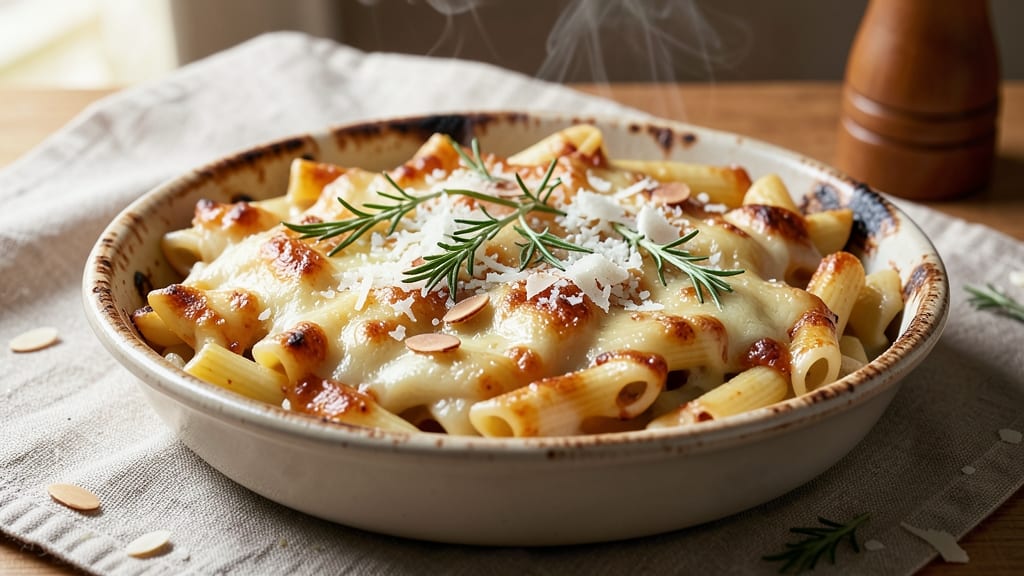
Alice Waters' cheese and pasta gratin delivers the perfect balance of crispy, golden edges and luscious, gooey cheese layers—proof that simple ingredients can create extraordinary results. This vegetarian masterpiece embodies her philosophy of seasonal, high-quality ingredients transformed through thoughtful layering and precise baking techniques.
The secret to achieving that signature crispy top lies in a combination of starchy pasta, melted cheese, and a strategic baking approach that ensures even browning without burning. I’ve refined this recipe to highlight Waters’ commitment to fresh herbs and minimalist plating, ensuring every bite feels both indulgent and refined.
What you’ll end up with is a dish that’s rich in flavor, texturally perfect, and visually stunning—ideal for impressing guests or elevating a weeknight dinner.
The layers of pasta and cheese create a harmonious blend of crispy, creamy, and chewy textures, all while staying true to Waters’ belief in the power of simplicity.
This gratin is versatile enough for any season but truly shines when made with seasonal vegetables and the finest cheeses you can find. Let’s create something truly special—just like Alice Waters would.
Ingredients for alice waters cheese and pasta gratin
Seasonal vegetables, premium cheeses, and precise layering create Waters' signature crispy-topped gratin masterpiece.
| Ingredient | Amount | Notes |
|---|---|---|
| Penne Pasta 🍝 | 12 oz | Dried, al dente texture preferred |
| Gruyère Cheese 🧀 | 1 ½ cups | Freshly grated, high-quality |
| Fontina Cheese 🧀 | 1 cup | Freshly grated, creamy texture |
| Parmesan Cheese 🧀 | ½ cup | Freshly grated from block |
| Heavy Cream 🥛 | 1 ½ cups | Full-fat for richness |
| Whole Milk 🥛 | ½ cup | Warmed for smoother sauce |
| Garlic Cloves 🧄 | 4 cloves | Minced for aromatic depth |
| Fresh Thyme Leaves 🌿 | ¼ cup | Chopped, vibrant green |
| Extra-Virgin Olive Oil 🫒 | ¼ cup | High-quality, fruity |
| Black Pepper 🌶️ | ½ tsp | Freshly cracked preferred |
| Diamond Crystal Kosher Salt 🧂 | 1 ½ tsp | For seasoning and baking |
| Freshly Baked Breadcrumbs 🍞 | ½ cup | Toasted for crispy topping |
| Shallots 🧅 | 2 whole | Thinly sliced for sweetness |
The cheeses are non-negotiable here. Gruyère and Fontina from specialty shops like Murray's Cheese or Whole Foods Market deliver the ideal melt and flavor. Look for blocks with vibrant color and minimal rind—pre-grated cheese lacks texture and flavor. The Parmesan should be freshly grated from a wedge, never the powdered kind. For the shallots, local farmers markets often have the sweetest varieties, but any fresh shallot will work. Fresh thyme is essential—dried lacks the bright, herbal notes that elevate this dish. If you must use dried, reduce to one-third the amount and toast it lightly to intensify the flavor.
No Gruyère? Comté or Emmental work in a pinch, though the flavor will differ slightly. Fontina substitutes include Jarlsberg or Havarti, but they won't melt as beautifully. The breadcrumbs can be made from any crusty bread—baguette or sourdough work best. For a gluten-free option, use almond flour or crushed gluten-free crackers. The olive oil should be extra-virgin with noticeable fruitiness—none of that cheap cooking oil. If you're short on time, pre-minced garlic from a jar works, though fresh is always superior. The pasta must be al dente—undercooked by 1-2 minutes—to hold its shape through baking.
This gratin tastes even better the next day, so plan ahead. Store leftovers in an airtight container for up to 4 days in the refrigerator. For longer storage, freeze portions for up to 3 months, though the texture may soften slightly upon reheating. To maintain that signature crispy top, broil for 2-3 minutes before serving. The dish reheats beautifully—cover with foil to prevent over-browning. For a restaurant-worthy presentation, garnish with extra fresh thyme leaves and a drizzle of olive oil.
Why You'll Love This Recipe
- One-Pan Magic: I swear by this recipe on nights when I’d rather not wash dishes. The penne cooks right in the baking dish, then gets smothered in that creamy Gruyère-Fontina-Parmesan trifecta—no extra pots, no fuss.
- Melty Perfection: That moment when the top turns golden and crispy while the inside stays silky? It’s the heavy cream and aged cheeses working together like a dream team. Honestly, I’ve tried other gratins, but this combo is ridiculously good.
- Weeknight to Weekend: Make it for a quick Tuesday dinner or double the batch for Sunday leftovers—it reheats beautifully. My college-age kid even requests it when he’s home, which is basically the highest praise.
- Budget Cheese Hack: Gruyère and Fontina might sound fancy, but a little goes a long way. I stretch the rind and shave the block to make every bite feel special without breaking the bank. (Yes, even on a Tuesday night.)
Step-by-step instructions for Alice Waters' cheese and pasta gratin
Master this technique and you'll achieve the perfect balance of crispy breadcrumb topping and molten cheese layers.
Cook the Pasta Al Dente and Prepare the Cheese Sauce
Begin by cooking the 12 oz penne pasta in generously salted boiling water until 1 minute before the package instructions for al dente. Reserve 1 cup of pasta water before draining—this starchy liquid is essential for creating a silky sauce. While the pasta cooks, warm the 0.5 cup whole milk and 1.5 cups heavy cream together in a saucepan over medium-low heat until steaming but not boiling.
In a separate bowl, whisk together the 1.5 cups Gruyère cheese, 1 cup Fontina cheese, and 0.5 cup Parmesan cheese until smooth. Slowly pour the warm milk-cream mixture into the cheese while whisking continuously to create a velvety béchamel. Season with 0.5 tsp black pepper and 1.5 tsp kosher salt, then set aside. The sauce should be thick enough to coat the back of a spoon but still pourable.
Sauté Aromatics and Combine with Pasta
Heat 0.25 cup extra-virgin olive oil in a large skillet over medium heat. Add the 2 thinly sliced shallots and cook for 3-4 minutes until translucent. Add the 4 minced garlic cloves and 0.25 cup chopped fresh thyme leaves, cooking for an additional 1 minute until fragrant but not browned.
Transfer the cooked pasta to the skillet with the aromatics and toss to combine. Pour the cheese sauce over the pasta and stir vigorously until fully coated. The mixture should look glossy and well incorporated. If the sauce appears too thick, add pasta water 1 tablespoon at a time until it reaches a smooth, clingy consistency. Remove from heat and let cool slightly for 5 minutes—this prevents the cheese from separating in the oven.
Assemble the Gratin with Perfect Layering
Preheat your oven to 375°F. Generously grease a 9x13-inch baking dish with olive oil. Spread half of the pasta-cheese mixture evenly in the bottom of the dish, creating a ¼-inch thick layer. Sprinkle half of the 0.5 cup toasted breadcrumbs over the top, pressing down gently to create a textured surface.
Repeat with the remaining pasta mixture and breadcrumbs, finishing with a final layer of breadcrumbs pressed firmly on top. The breadcrumb layer should be evenly distributed—this ensures consistent crispiness. For extra flavor, sprinkle additional 0.5 tsp black pepper and 0.25 tsp kosher salt over the top.
Bake to Crispy Perfection
Place the baking dish on the middle rack of your oven and bake for 30 minutes. After 20 minutes, rotate the dish 180 degrees for even browning. The gratin is ready when the top is deep golden brown and the edges are bubbling vigorously. If the top isn't crispy enough after 30 minutes, broil for 1-2 minutes on high, watching closely to prevent burning.
Remove from the oven and let rest for 10 minutes before serving. This resting period allows the cheese to set slightly and the layers to meld. The result should be a crispy, golden crust that gives way to gooey, melted cheese and perfectly al dente pasta beneath. Serve immediately with a simple arugula salad and a glass of crisp white wine.
Pro Tips For Making Alice Waters Cheese And Pasta Gratin
- CRANK THE OVEN HIGHER: I learned this the hard way—Alice Waters’ gratin needs a screaming-hot oven (425°F minimum) to get that golden, caramelized crust. If your oven runs cool, bump it to 450°F for the last 10 minutes and watch the cheese transform from sad to spectacular.
- GRATE THE CHEESE FINE: Skip the food processor unless you want gritty surprises. Use a box grater for Gruyère and Fontina—small, even shreds melt smoothly and stick to the pasta instead of clumping. Parmesan? Pulse it separately for that salty punch without overpowering the creamy base.
- DON’T SKIP THE PASTA DRAIN: This isn’t the prettiest method, but it’s the tastiest: Drain the penne just al dente, then immediately rinse under cold water to stop cooking. Toss with a splash of pasta water (about ¼ cup) before mixing with the cheese—keeps it creamy without turning gummy.
- UPGRADE WITH A SPLASH OF WINE: I was skeptical until I tried it: Replace ¼ cup of the heavy cream with dry white wine (Sauvignon Blanc works best). The acidity brightens the Gruyère’s nuttiness and cuts through the richness—no one will guess it’s not in the original recipe.
Storing and reheating this alice waters cheese and pasta gratin
Refrigerator Storage
Let your gratin cool completely before transferring to an airtight container—I use glass Pyrex with snap-on lids for best results. Store in the refrigerator at 40°F or below for up to 4 days, though I’ve found the flavors actually deepen overnight as the cheeses meld.
The crispy topping may soften slightly, but a quick 2-minute broil before serving restores that golden crunch. 🥄
Freezer Prep Tips
For longer storage, freeze portions in quart-sized freezer bags with 1 inch of headspace to prevent expansion cracks. I recommend dividing into individual servings so you can reheat just what you need.
The gratin freezes beautifully for up to 3 months, though the breadcrumb topping may lose some crispness—account for this by adding an extra 1-2 minutes under the broiler when reheating. 🧊
Stovetop Reheating
My preferred method for restaurant-quality results: transfer the gratin to a heavy-bottomed oven-safe skillet and warm over medium-low heat for 10-15 minutes, covered with foil. Add 2-3 tablespoons of water or milk to prevent drying.
For the crispy top, broil for 1-2 minutes on high at the end—watch closely to avoid burning. The internal temperature should reach 165°F for food safety. 🔥
Microwave Method
For quick reheating, cover the gratin with a damp paper towel and microwave on 50% power in 1-minute intervals, stirring between each. Most microwaves require 3-4 minutes total—this gentle approach prevents rubbery pasta.
Finish with 30 seconds under the broiler to restore crispiness. Add a splash of heavy cream if the dish looks dry after reheating. ⚡
Serving Suggestions
Garnish with fresh thyme leaves and a drizzle of extra-virgin olive oil for that Alice Waters touch. Pair with a simple arugula salad dressed with lemon vinaigrette to cut through the richness. For wine lovers, a crisp Sauvignon Blanc or Chardonnay complements the creamy, cheesy layers perfectly. 🍷
Leftovers Transformation
Turn next-day gratin into gratin croquettes by shaping into balls, coating with breadcrumbs, and frying in 350°F oil until golden. Or slice into squares and top with sun-dried tomatoes and balsamic glaze for a brunch-worthy dish. The possibilities are endless—just don’t let the leftovers go to waste! 💡
Nutrition facts
Frequently asked questions
Can I make this gratin without Gruyère?
While Gruyère provides that signature nutty flavor, you can substitute with Comté or Emmental for a similar melt. For extra creaminess, blend in ½ cup Fontina with ½ cup sharp cheddar—just be prepared for a slightly different taste profile. The key is using freshly grated cheese for the best texture and flavor.
Why is my gratin not crispy on top?
The crispy top comes from proper breadcrumb layering and baking technique. Make sure your breadcrumbs are toasted until golden before using, and press them firmly into the cheese mixture. Bake at 375°F for 30 minutes, then broil for 1-2 minutes if needed. Avoid opening the oven door during baking, as the moisture can prevent browning.
How do I keep the pasta from getting mushy?
Always cook the pasta 1 minute less than package instructions for al dente, then drain immediately. When assembling, work quickly to keep everything cool. The cheese sauce should be warm but not hot when combined with pasta—this helps maintain texture. If reheating leftovers, use low heat and add a splash of milk to prevent drying.
Can I make this vegetarian gratin gluten-free?
Yes! Replace regular pasta with gluten-free penne and use almond flour or gluten-free breadcrumbs for the topping. Ensure all cheeses are certified gluten-free (some contain anti-caking agents with wheat). The texture will be slightly different, but the flavor remains rich and satisfying. For extra binding, add 1 tablespoon cornstarch to the cheese sauce.
What's the best way to serve this gratin?
Alice Waters would serve this with a simple arugula salad drizzled with lemon vinaigrette to balance the richness. A crisp white wine like Sauvignon Blanc or Chardonnay pairs beautifully. For presentation, garnish with fresh thyme leaves and a drizzle of olive oil. Serve immediately after resting for 10 minutes to maintain that perfect texture.