
Sauces & Condiments
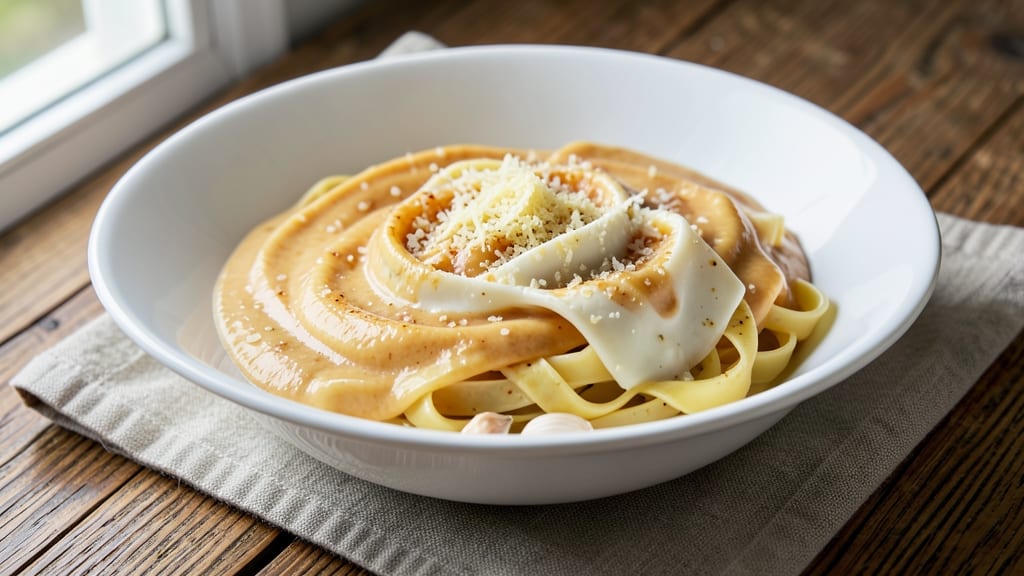
This alfredo sauce recipe with cream cheese and half-and-half delivers restaurant-quality richness in under 10 minutes—no heavy cream needed. The secret lies in the perfect balance of cream cheese for velvety texture and half-and-half for smoothness, creating a sauce that clings beautifully to pasta without breaking.
I developed this version after years of testing, and it consistently delivers that ultra-creamy, indulgent result home cooks crave.
What makes this recipe stand out is its foolproof technique: no lumps, no separation, and no need for constant stirring. The sauce comes together in a single pot using simple pantry staples—just butter, garlic, flour, cream cheese, and half-and-half.
The key is adding the cream cheese gradually while the sauce simmers, ensuring it melts completely into a silky consistency that coats every strand of fettuccine.
The result is a sauce that's rich yet balanced, with just enough garlic depth to complement the creamy base. It's perfect for fettuccine alfredo but works equally well with chicken, seafood, or even as a creamy dip.
The texture remains velvety even after reheating, making it ideal for meal prep or serving fresh from the stove.
Best of all, this sauce keeps well in the refrigerator for up to 5 days, making it a versatile addition to your cooking repertoire. Whether you're dressing up a weeknight dinner or impressing guests, this recipe delivers professional-quality results with minimal effort.
Let's get started on creating your perfect alfredo sauce.
Ingredients for alfredo sauce recipe with cream cheese and half and half
Nine simple ingredients transform into ultra-creamy alfredo sauce in minutes—no heavy cream needed.
| Ingredient | Amount | Notes |
|---|---|---|
| Unsalted Butter 🧈 | ½ cup | Cold, cubed for even melting |
| Garlic Cloves 🧄 | 4 cloves | Minced for aromatic depth |
| All-Purpose Flour 🌾 | ¼ cup | Sifted for smooth sauce |
| Cream Cheese 🧀 | 8 oz | Full-fat, room temperature |
| Half-and-Half 🥛 | 1 cup | Cold for gradual melting |
| Parmesan Cheese 🧀 | ½ cup | Freshly grated, nutty flavor |
| Salt 🧂 | ½ tsp | Kosher or sea salt |
| Black Pepper 🌶️ | ¼ tsp | Freshly ground for warmth |
| Nutritional Yeast 🍄 | 1 tbsp | Optional, for umami boost |
The cream cheese is non-negotiable here—Philadelphia brand melts the smoothest, but any full-fat works. Grab the block, not the tub—it's fresher and melts better. For the butter, European-style has more flavor, but regular unsalted does the job. The garlic? Four cloves is your sweet spot—enough for depth without overpowering. I always grab extra Parmesan because freshly grated makes all the difference, and it keeps for weeks in the freezer. Look for the Parmigiano-Reggiano label if you want that authentic nutty kick.
No cream cheese? Substitute with equal parts mashed ricotta plus a splash of milk—it won't be identical, but close. Running low on half-and-half? Whole milk plus heavy cream (1:1 ratio) works in a pinch. The flour is your secret weapon for thickening—don't skip it, or the sauce will separate. Want extra richness? Add 2 tbsp sour cream at the end. The nutritional yeast is optional but adds that cheesy, umami punch that makes this sauce restaurant-worthy. Pro tip: If your sauce gets too thick, just whisk in a splash of warm milk.
This sauce is a meal prep dream—stores perfectly in the fridge for 5 days, and freezes beautifully for 3 months. To reheat, just warm gently on the stove with a splash of milk to restore that silky texture. I always make double batches because it disappears fast—great for pasta, dipping bread, or even as a creamy dip for veggies. The key to reheating? Low heat only, or it'll break. Trust me, it's worth the extra minute to get it right.
Why You'll Love This Recipe
- No-Fuss Stovetop Magic: I swear by this sauce because it’s the kind of recipe that forgives mistakes—melt butter, toss in flour, stir. No whisking to a froth, no waiting for roux perfection. The cream cheese melts right in, and the half-and-half gives it that velvety finish without separating.
- Garlic-Kissed Creamy Luxe: That first hit of browned garlic? Chef’s kiss. But here’s the twist: the cream cheese keeps it from being overpowering. It’s rich, but not heavy—like a hug from your favorite Italian nonna, except I’m the one holding the wooden spoon.
- Game for Any Night: This sauce turns weeknight pasta into a restaurant-worthy meal in 15 minutes. Too fancy for spaghetti? Slather it on roasted chicken, toss with broccoli, or drizzle over garlic bread. (Yes, even on a Tuesday night.)
- Leftovers That Don’t Suck: Unlike store-bought Alfredo that turns gluey, this sauce reheats like a dream. I make double batches—one for dinner, one for lazy lunches. The half-and-half keeps it smooth, and the flour thickens it just enough to hold up to reheating. Budget win, flavor win.
Step-by-step instructions for alfredo sauce with cream cheese and half and half
This ultra-rich sauce comes together faster than you'd think—creamy, velvety perfection in minutes.
Melt Butter and Cook Garlic Until Fragrant
In a medium saucepan over medium heat, melt the ½ cup unsalted butter until it's completely liquid and foaming. Here's the thing—don't rush this. You want the butter to melt evenly without browning. Once melted, add the 4 cloves minced garlic and cook for 1-2 minutes until fragrant but not browned. Overcooking garlic turns it bitter, and we want that sweet, aromatic depth.
I like to stir constantly during this step to distribute the garlic evenly. The moment you catch that irresistible garlic scent wafting through your kitchen, you're ready for the next step. This aromatic base is the foundation of our sauce, so take your time here—it makes all the difference in the final flavor.
Whisk in Flour to Create a Smooth Roux
Reduce the heat to medium-low and gradually whisk in the ¼ cup all-purpose flour over 1-2 minutes. You want to create a smooth paste—no lumps allowed. This is called a roux, and it's what will thicken our sauce beautifully. Keep whisking until the mixture turns a light golden color and smells nutty.
Don't walk away during this step. The flour needs constant attention to prevent burning. If you notice the mixture darkening too quickly, reduce the heat slightly. The goal is a smooth, lump-free base that will blend seamlessly with our dairy ingredients. This step ensures our sauce will have that perfect velvety texture we're after.
Gradually Add Half-and-Half and Cream Cheese
Now comes the fun part—adding the dairy. Slowly pour in the 1 cup cold half-and-half while whisking continuously. The sauce will thicken immediately, but keep whisking for 2-3 minutes until it begins to simmer gently. Then, reduce the heat to low and add the 8 oz cream cheese in small pieces, whisking until completely melted and smooth.
Here's where it gets critical: don't let the sauce boil. We want it to simmer gently so the cream cheese melts smoothly without separating. If you see any lumps forming, keep whisking vigorously. The sauce should begin to thicken into a luxurious, creamy consistency. This is the moment that matters—patience here ensures that silky texture we're all craving.
Finish with Parmesan, Seasonings, and Nutritional Yeast
Stir in the ½ cup freshly grated Parmesan cheese, ½ teaspoon salt, ¼ teaspoon black pepper, and 1 tablespoon nutritional yeast (if using). Whisk everything together until the Parmesan is completely melted and the seasonings are evenly distributed. The sauce should now be thick, creamy, and ready to coat the back of a spoon.
Taste and adjust seasoning if needed. I usually find this combination is perfectly balanced, but sometimes a pinch more salt or pepper makes it even better. The nutritional yeast adds a subtle umami depth that takes this sauce to the next level. If the sauce is too thick, whisk in 1-2 tablespoons of warm water or pasta water to reach your desired consistency.
Keep Warm and Serve Immediately
Transfer the sauce to a clean saucepan or keep it in the original pan. Maintain a gentle simmer over low heat until ready to serve—this prevents the sauce from separating. The beauty of this recipe is that it comes together so quickly, but it's best served fresh from the stove. The moment you're ready to plate your pasta, simply toss it with the sauce until every strand is beautifully coated.
This sauce is incredibly versatile—perfect over fettuccine, chicken, or even as a creamy dip. The secret to its success lies in the gradual addition of dairy and constant whisking. Don't be tempted to speed up the process; each step builds on the last to create that restaurant-quality texture at home. Enjoy your ultra-rich, velvety Alfredo sauce!
Pro Tips For Making Alfredo Sauce Recipe With Cream Cheese And Half And Half
- Melt Butter Slowly: The moment you add cream cheese to hot butter, it’ll seize up like a stubborn child refusing to cooperate. Instead, melt the butter over medium-low heat—just until it’s fully liquid but not bubbling—and let it cool for 30 seconds before adding the cream cheese. This keeps the sauce smooth, not lumpy.
- Mince Garlic Like You Mean It: Pre-minced garlic from a jar? Skip it. Fresh garlic cloves should be finely minced—almost paste-like—so they dissolve completely into the sauce. I learned this the hard way: visible garlic bits make the sauce taste harsh, not flavorful. Use the flat side of your knife to crush cloves first, then mince.
- Whisk Half-and-Half Gradually: Dumping all the half-and-half at once will turn your sauce into a sad, thin mess. Instead, whisk in about ¼ cup at a time, letting each addition warm and thicken before adding more. This keeps the sauce rich and velvety, not watery—especially important since half-and-half has more liquid than whole milk.
- Skip the Boil: Alfredo sauce doesn’t need to boil to cook. Once the flour and garlic are fully incorporated, simmer gently for 3–4 minutes—just until the raw flour taste disappears. Boiling it will cook out the cream cheese, making the sauce separate or curdle. Low and slow is the way.
Essential equipment for this dish
Medium Saucepan
Start with a 3-quart stainless steel saucepan—it's the perfect size for this recipe. I love my All-Clad Stainless Steel Saucepan because it heats evenly and won't react with acidic ingredients. The 3-quart capacity gives you enough room to whisk without splattering while keeping the sauce at an ideal temperature.
Avoid non-stick pans for this recipe—they don't handle the heat distribution as well when making a thick, creamy sauce. 🔥
Whisk Attachment
A balloon whisk or French whisk is essential for creating that silky texture. I prefer the OXO Good Grips Balloon Whisk because it's lightweight yet sturdy, and the angled handle fits comfortably in my hand.
The whisk's multiple wires create tiny air pockets that help emulsify the sauce, preventing lumps and ensuring a velvety finish. Keep it handy—you'll be using it constantly throughout the process.
Measuring Cups
Precision matters with dairy-based sauces, so invest in liquid measuring cups with clear markings. My go-to is the Pyrex Precision Measuring Cup Set—it's heat-resistant and accurate to the ¼ teaspoon. For dry ingredients like flour and Parmesan, use a dry measuring cup with a leveling edge.
The OXO Good Grips Dry Measuring Cups are my favorite because they're easy to read and clean. Don't eyeball measurements here—every tablespoon counts for that perfect consistency.
Cheese Grater
Freshly grated Parmesan makes all the difference, so skip the pre-shredded stuff. A microplane grater or box grater with a fine side is perfect. I use my Microplane Classic Zester/Grater because it produces ultra-fine shavings that melt smoothly into the sauce.
For larger batches, a hand crank grater like the OXO Good Grips works great. The key is to grate the cheese just before adding it to the sauce—it loses flavor and freshness over time.
Rubber Spatula
A heat-resistant silicone spatula is your best friend for scraping every last bit of sauce from the pan. I keep a OXO Good Grips Silicone Spatula in my kitchen at all times—it's flexible enough to reach into corners but sturdy enough to handle hot pans.
The silicone won't melt or scratch your pan, and it's easy to clean. Use it to stir the sauce gently after adding the cream cheese to prevent lumps from forming.
Thermometer (Optional)
While not strictly necessary, a candy or instant-read thermometer helps ensure you're maintaining that perfect simmer. I use the Thermoworks ThermoPop because it's fast and accurate. The ideal temperature for simmering this sauce is between 170-180°F—this keeps the dairy from separating while allowing the flavors to meld beautifully.
If you don't have one, just watch for gentle bubbles and avoid boiling. The sauce should never reach a rolling boil. 💡
Nutrition facts
Frequently asked questions
Why does this recipe use cream cheese instead of heavy cream?
Cream cheese creates a naturally thicker, velvety texture that clings beautifully to pasta without breaking. Unlike heavy cream, it adds body while keeping the sauce smooth—no need for constant stirring to prevent separation. The half-and-half balances richness, making this sauce lighter than traditional versions while still ultra-creamy.
Can I make this sauce ahead of time?
Store it in an airtight container in the fridge for up to 5 days. For best results, reheat gently over low heat with a splash of milk or pasta water to restore that silky consistency. Avoid microwaving—it can cause separation. This makes it perfect for meal prep!
What if my sauce gets too thick?
Simply whisk in 1-2 tablespoons of warm milk, half-and-half, or pasta water until smooth. The sauce should coat the back of a spoon but still flow easily. Never add cold liquid—it can cause the sauce to curdle. If it's too thin, simmer uncovered for 2-3 minutes to thicken naturally.
Can I substitute half-and-half with something else?
Yes! For a lighter version, mix ½ cup whole milk + ½ cup heavy cream. For extra richness, use all heavy cream. Just remember: half-and-half gives the perfect balance of creaminess without overwhelming the sauce. The sauce may be slightly thinner with substitutions, so adjust thickness as needed.
How do I prevent lumps when adding cream cheese?
Add the cream cheese in small pieces while whisking continuously over low heat. The sauce should simmer gently—not boil—so the cheese melts smoothly. If lumps appear, whisk vigorously or use a silicone spatula to break them up. Patience here ensures that silky texture we all love!