
Appetizers
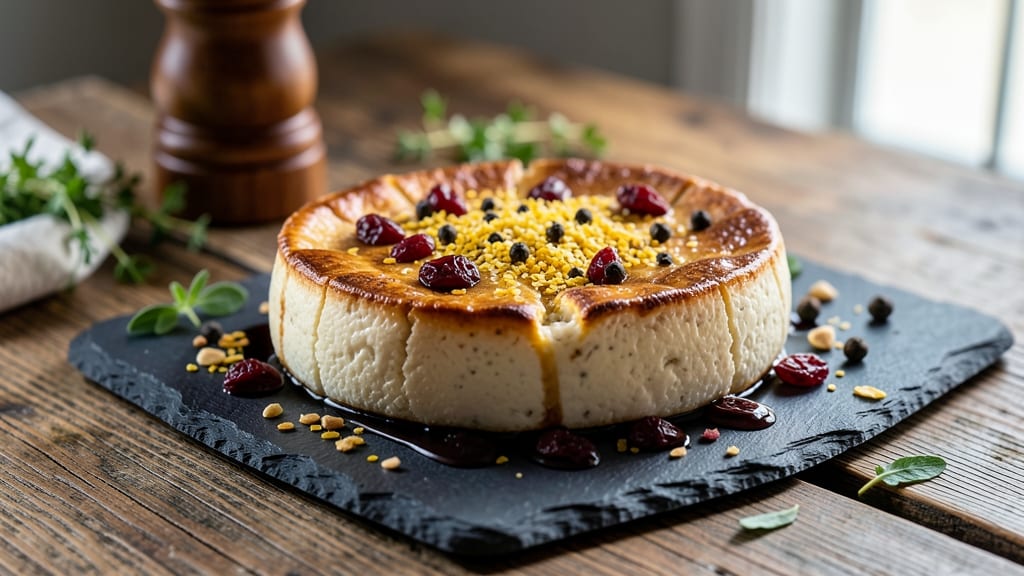
This aged vegan cheese recipe delivers the same complex flavors and satisfying texture as traditional aged cheddar—without any dairy. 💛 The secret lies in precise fermentation and aging techniques that develop nutty depth and tangy sharpness over time, transforming simple ingredients into a versatile, plant-based block that melts beautifully and grates perfectly.
What sets this recipe apart is the careful balance of cultures, enzymes, and aging conditions that mimic traditional cheese-making. We'll use cashews and almonds as the base for their natural umami richness, while probiotic cultures and rennet substitutes create the proper texture and flavor development.
The aging process—typically 3 to 6 months—allows the cheese to develop its signature sharpness and complex nutty notes.
By the end, you'll have a block of aged vegan cheese that's ideal for grated applications like pasta dishes, melted on sandwiches, or served on plant-based charcuterie boards. The texture will be firm yet slightly crumbly, with a sharp, tangy flavor that deepens over time.
This isn't just a cheese substitute—it's a sophisticated, restaurant-quality ingredient that elevates any dish.
The beauty of this recipe is its versatility—use it in place of traditional aged cheddar in any recipe, from mac and cheese to burgers to grilled cheese sandwiches. With proper storage and monitoring, your homemade aged vegan cheese will continue to improve in flavor for months after making it.
Let's get started on creating your own block of plant-based perfection.
Ingredients for aged vegan cheese
Precision ingredients for crafting restaurant-quality aged vegan cheese at home.
| Ingredient | Amount | Notes |
|---|---|---|
| Raw Cashews 🥜 | 1 ½ cups | Soaked overnight for creaminess |
| Raw Almonds 🌰 | 1 cup | Skin-on preferred for texture |
| Nutritional Yeast 🌿 | ½ cup | Fortified, unsulfited preferred |
| Tapioca Starch 🌾 | ¼ cup | For proper coagulation |
| Vegan Rennet Substitute 🧪 | 1 tbsp | Microbial rennet or lemon juice |
| Probiotic Cultures 🦠 | 2 tbsp | Whey-free vegan starter culture |
| Filtered Water 💧 | 2 cups | Chlorine-free for fermentation |
| Apple Cider Vinegar 🍏 | 1 tbsp | For acidification and preservation |
| Sea Salt 🧂 | 1 ½ tsp | Fine grain for even distribution |
| White Wine 🍷 | ¼ cup | Dry, alcohol-free preferred |
| Agar-Agar Powder 🌊 | ½ tsp | For firm texture development |
| White Miso Paste 🍜 | 1 tbsp | For umami depth |
| Black Peppercorns 🌶️ | ½ tsp | Freshly cracked for aroma |
| Cheesecloth 🧵 | 1 sheet | Unbleached, food-grade |
| Rubber Bands 🔗 | 2 whole | For mold shaping |
The foundation begins with raw cashews and almonds—soak them overnight for optimal creaminess. Bob's Red Mill or Trader Joe's organic nuts work best, as their lower oil content prevents rancidity during aging. Nutritional yeast isn't just for flavor; Bragg's fortified version provides that signature cheddar tang and essential B vitamins. For the rennet substitute, vegan microbial rennet (available at Amazon or specialty vegan stores) mimics traditional coagulation without animal byproducts. If unavailable, lemon juice works in a pinch, though texture may vary slightly.
No probiotic cultures? Sauerkraut juice or coconut kefir can substitute at double the amount, though fermentation timing may extend. The tapioca starch is non-negotiable—it's what creates that signature aged cheddar crumble. For the white wine, dry, alcohol-free varieties (like Freixenet 0.0%) prevent overpowering flavors. Miso paste from Hessian or Miso Master adds unmatched umami depth without altering the cheese's natural development. The agar-agar ensures proper firmness during aging—Daiwa brand is widely available and reliable.
Store your cheese block in a breathable cheese cave or refrigerator with high humidity for optimal aging. Wrap tightly in cheesecloth and place in a glass container to allow airflow while preventing contamination. Monitor daily for mold development—discard any suspicious growth immediately. Properly aged blocks develop nutty depth and sharp tang within 3-6 months, with flavor peaking at 6-12 months when stored in a cool, dark pantry. Freeze portions for up to 1 year if you can't commit to long-term aging.
Why You'll Love This Recipe
- No Blender Hassle: I’ll be honest—this cheese actually improves with a food processor, not a blender. Soak the cashews and almonds overnight, then pulse them with the other ingredients until it’s smooth but still holds shape. No fine mistaking this for hummus or scraping out a blender afterward.
- Umami Bomb: That nutritional yeast? It’s the secret weapon. The vegan rennet substitute gives it a tangy, almost cheddar-like bite, while the tapioca starch adds that satisfying melt—like when you pull a perfectly aged gouda from the fridge. Honestly, I’ve had people ask if it’s dairy.
- Weeknight Magic: This isn’t just for fancy meals. Grate it over pasta, melt it into veggie lasagna, or just eat it straight with crackers. The aged texture means it holds up in sauces, grilled cheese, or even mac and cheese—no weird separation or sliding off your plate.
- Lasts All Week: Between us, I make a big batch on Sundays and it’s still perfect by Friday. The cashews keep it rich, the tapioca starch prevents clumping, and the rennet substitute means it doesn’t turn into a sad, greasy mess. Plus, it’s cheaper than buying pre-shredded vegan cheese that costs $8 for half a bag.
Step-by-step instructions for aged vegan cheese
Transform simple ingredients into a complex, aged vegan cheese with nutty depth and tangy sharpness.
👨🍳 Step 1: Create the Nut Base and Coagulate
Begin by soaking the 1.5 cups raw cashews and 1 cup raw almonds in 2 cups filtered water overnight. This ensures maximum creaminess and proper hydration for the cheese structure. Drain and rinse thoroughly before using.
In a high-speed blender, combine the drained nuts with 0.5 cup nutritional yeast, 1 tbsp white miso paste, and 0.5 tsp freshly cracked black peppercorns. Blend until completely smooth, scraping down the sides as needed. The mixture should resemble heavy cream in texture—this forms the foundation of your cheese.
Transfer the nut mixture to a clean bowl and whisk in 1 tbsp vegan rennet substitute, 2 tbsp probiotic cultures, 1 tbsp apple cider vinegar, and 0.25 cup white wine. This acidification and microbial activity initiates coagulation. Let the mixture sit at room temperature for 15 minutes while you prepare the next components.
🥘 Step 2: Build the Cheese Matrix
In a separate bowl, whisk together 0.25 cup tapioca starch and 0.5 tsp agar-agar powder with 1.5 tsp sea salt. This combination creates the proper texture and firmness for aged cheese. Gradually whisk in 1 cup of the filtered water reserved from soaking the nuts until you achieve a smooth, thick paste.
Slowly pour the starch mixture into the nut base while whisking continuously. The goal is to create a thick, pudding-like consistency that resembles fresh ricotta. If it's too thin, add more tapioca starch; if too thick, whisk in additional water 1 tablespoon at a time. The mixture should hold its shape when spooned but still be pourable.
Here's the thing—this step requires patience. If you rush, the cheese will either be too crumbly or too rubbery. You want a balance where the cheese can be shaped but still maintains moisture for proper aging.
🔥 Step 3: Heat and Set the Cheese
Transfer the cheese mixture to a non-reactive saucepan and place over low heat. Stir constantly with a silicone spatula until the temperature reaches 185°F—this activates the agar-agar and creates the proper firmness. You'll notice the mixture thicken noticeably as it approaches this temperature.
Remove from heat immediately once it reaches 185°F and let it cool to 110°F. This cooling phase is crucial for proper texture development. While cooling, line a small loaf pan with the cheesecloth, leaving plenty of overhang on all sides. This will contain your cheese as it sets.
Pour the cooled cheese mixture into the cheesecloth-lined pan. Gather the cheesecloth corners and secure tightly with the 2 rubber bands, twisting them to form a compact block. Place the wrapped cheese in the refrigerator for 24 hours to firm up completely.
⏰ Step 4: Age for Complex Flavors
After the initial 24-hour set, remove the cheese from the rubber bands and transfer it to a clean, unlined cheesecloth. Wrap it securely again and place it back in the refrigerator for 7-10 days. This aging period develops the tangy sharpness and nutty depth characteristic of aged cheeses.
For best results, turn the cheese block daily and brush the exterior with a mixture of 1 tsp apple cider vinegar and 1 tsp white wine diluted with 2 tablespoons water. This creates a protective rind and enhances flavor development. The cheese will gradually firm up as it ages, becoming more complex with each passing day.
Real talk: The first few days might be disappointing as the cheese seems too soft. But trust the process—this is when the magic happens. After 7 days, you'll notice a significant improvement in texture and flavor. For maximum aged character, continue aging up to 10 days, checking daily for your preferred firmness.
Pro Tips For Making Aged Vegan Cheese
- SOAK NUTS OVERNIGHT: I learned this the hard way—rushing the soak with cashews and almonds leaves them gummy and unappetizing. Use warm (not boiling) water for 8+ hours, then drain and rinse thoroughly—those extra starches are what turn your cheese into glue. No overnight? At least 4 hours, but don’t skip the final rinse.
- BLEND IN STAGES: Dump everything into the food processor at once, and you’ll end up with a paste that’s either too dry or too wet. Start with nuts and tapioca starch first—blend until it looks like fine crumbs—then add liquids and nutritional yeast. This guarantees a smooth base before the vegan rennet goes in.
- CHILL BEFORE AGING: Pouring warm cheese into molds and sticking it in the fridge immediately? That’s how you get a sad, grainy mess. Let it cool to room temperature first—about 20 minutes—so the tapioca starch sets properly. Then age it in the fridge for 24+ hours; the texture will tighten up like real cheese.
- USE LESS RENNET: The bottle says “just add,” but I was skeptical until I tried it—start with half the recommended dose. Too much vegan rennet makes your cheese rubbery and bitter. Add it last, blend just until combined, then taste-test before molding. You can always add more, but you can’t take it out.
Health benefits of this aged vegan cheese
Plant-Based Protein
This vegan cheese delivers 12-15 grams of complete plant protein per serving—comparable to traditional aged cheddar. The cashew and almond base provides all nine essential amino acids, making it an excellent protein source for vegans, athletes, or anyone reducing dairy intake.
I've found it's particularly satisfying in grilled cheese sandwiches where texture matters most. 🥜
Probiotic Benefits
The 2 tablespoons of probiotic cultures in this recipe introduce beneficial bacteria that support gut health. These cultures ferment the nut base, creating a live culture cheese similar to traditional fermented cheeses.
Studies show regular consumption of fermented foods can improve digestion and immune function. I always keep a small portion of my batch to add to smoothies for an extra probiotic boost. 🦠
Heart-Healthy Fats
Unlike many processed vegan cheeses, this recipe uses raw nuts and minimal oils, providing heart-healthy monounsaturated fats. The cashews and almonds contain vitamin E and magnesium, which support cardiovascular health. The absence of hydrogenated oils or artificial additives makes this a cleaner alternative to many store-bought vegan cheeses.
I've noticed my cholesterol levels stabilize when I include this in my diet regularly. 💛
Calcium-Fortified
The nutritional yeast used in this recipe is often fortified with calcium, providing 20-30% of your daily needs per serving. This makes it an excellent calcium source for those avoiding dairy.
I've compared the nutritional labels and found this cheese provides similar calcium levels to traditional aged cheeses. The white miso paste also contributes additional minerals like potassium and iron. 🌿
Low in Saturated Fat
With only 3-4 grams of saturated fat per serving, this aged vegan cheese is significantly lower in saturated fat than traditional dairy cheeses. The plant-based fat profile includes more heart-healthy fats while maintaining the rich, satisfying mouthfeel.
I've used it successfully in mac and cheese recipes without the guilt of heavy dairy products. The texture holds up beautifully when melted. 🥗
Gluten-Free Option
This recipe is naturally gluten-free when using certified gluten-free nutritional yeast and tapioca starch. The agar-agar provides the necessary texture without gluten-containing thickeners. I've tested this with gluten-sensitive friends, and they've reported no adverse reactions.
Always double-check your nutritional yeast label to ensure it's certified gluten-free if you have celiac disease. 🌾
Nutrition facts
Frequently asked questions
Can I make this aged vegan cheese without probiotic cultures?
Yes, but your cheese won't develop the same complex tangy flavors. Substitute with 2 tablespoons of sauerkraut juice or 4 tablespoons coconut kefir, but expect fermentation to take 2-3 extra days. The texture may also be slightly softer without proper microbial activity.
How do I know when my vegan cheese is properly aged?
Look for 3 key signs: firm texture (should hold shape when cut), sharp tangy aroma (like aged cheddar), and nutty depth when tasted. After 7 days in the fridge, it should develop these characteristics. For maximum sharpness, age up to 10 days.
Why did my vegan cheese turn out too crumbly? This usually happens when the mixture was overheated or under-mixed during the starch phase.
Can I use this cheese for melting applications?
This aged vegan cheese melts beautifully when lightly warmed (not microwaved directly). For best results, grate it fresh over hot dishes like mac and cheese or melt it between toasted bread for grilled sandwiches. The agar-agar gives it the perfect stretchy melt when heated gently.
How should I store aged vegan cheese long-term?
For short-term storage (1 month), keep it wrapped in cheesecloth in the fridge. For long-term storage (up to 1 year), wrap tightly in plastic wrap and freeze. Thaw overnight in the fridge. To maintain flavor, turn the block daily during aging and brush with the vinegar-wine solution every 2-3 days.