
Main Courses
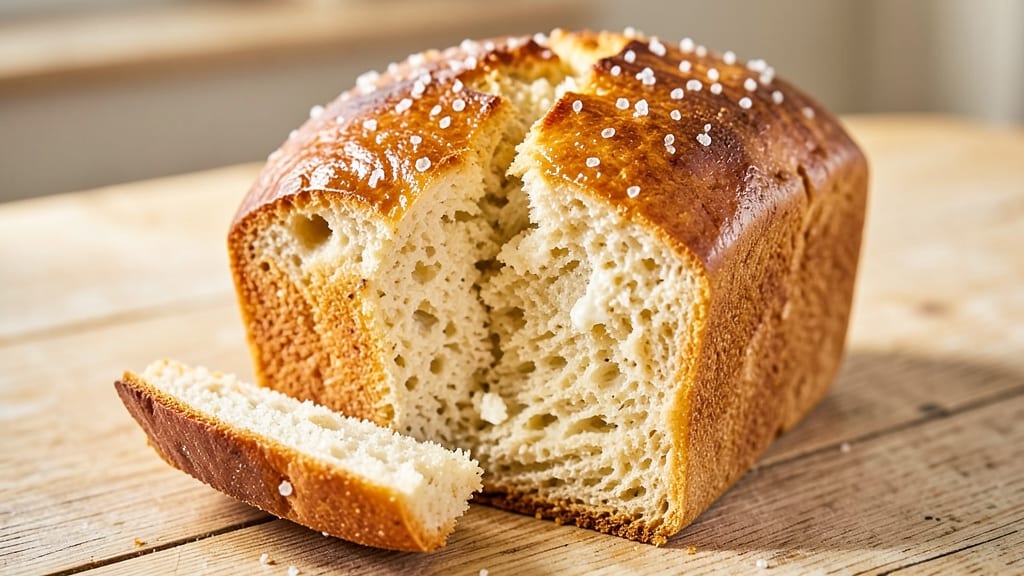
This 5-ingredient cottage cheese bread recipe delivers a light, fluffy loaf that's surprisingly healthy—no eggs required. The secret lies in cottage cheese's natural moisture and protein, which create a tender crumb and golden crust without heavy ingredients.
I developed this recipe after years of experimenting with egg-free breads, and it's now my go-to for quick, nutritious loaves that taste homemade.
The beauty of this recipe is its simplicity: just flour, cottage cheese, baking powder, salt, and water come together to form a bread that's high in protein and low in sugar. Unlike traditional breads, this version stays fresh for days and reheats beautifully, making it perfect for meal prep.
The cottage cheese also adds a subtle tang that enhances the bread's flavor without overpowering it.
What you'll achieve is a perfectly risen loaf with a soft, airy interior and a crisp exterior—ideal for toast, sandwiches, or serving alongside soups. The texture is remarkably light for an egg-free bread, thanks to the cottage cheese's ability to hold moisture while creating lift.
This recipe proves healthy eating doesn't mean sacrificing taste or texture.
Ready in just 35 minutes, this bread is perfect for busy weeknights or when you crave something wholesome but satisfying. The best part? You can customize it with seeds or herbs for added nutrition without complicating the process. Let's get baking!
Ingredients for 5 ingredient cottage cheese bread recipe healthy
Five ingredients transform into a protein-packed loaf—no eggs, no fuss, just delicious.
| Ingredient | Amount | Notes |
|---|---|---|
| All-Purpose Flour 🌾 | 3 cups | Sifted for best texture |
| Large-Curd Cottage Cheese 🧀 | 1 ½ cups | Full-fat for moisture |
| Baking Powder 🍞 | 1 ½ tsp | Double-acting preferred |
| Fine Sea Salt 🧂 | ½ tsp | Adjust to taste |
| Cold Water 💧 | ½ cup | Room temperature works too |
The cottage cheese is the MVP here. Full-fat works best—it adds moisture and richness that low-fat versions can't match. Grab the large-curd kind from the deli section—it blends smoother. If you're in a hurry, pre-shredded cheese (the kind in bags) is fine, but it's pricier. For the flour, King Arthur or Bob's Red Mill brands are my go-tos—they bake consistently. The baking powder? Double-acting is a game-changer, but single-acting works if that's what you've got.
No cottage cheese? Plain Greek yogurt at the same amount gets you close, though the texture will be slightly denser. Short on flour? Whole wheat flour at half the amount adds nutrition but makes the bread denser. The salt is non-negotiable—it balances the tang from the cottage cheese. Diamond Crystal kosher salt is my favorite, but any fine sea salt works. Pro tip: if your dough feels too sticky, add 1 tbsp more flour. Too dry? Add 1 tsp water at a time.
This bread keeps beautifully—3 days at room temperature wrapped in a towel, or 1 week in the fridge in an airtight container. For longer storage, freeze the whole loaf for up to 3 months. To reheat, wrap in foil and warm in a 350°F oven for 5-10 minutes. I slice it thin for toast or thick for sandwiches—either way, it's magic.
Why You'll Love This Recipe
- No Mixer Needed: I swear by this dough—just fold, knead, and shape. The cottage cheese blends right into the flour with your hands, no electric gadgets, no fuss. Honestly, my lazy Sundays love this.
- Creamy Crumb Magic: That large-curd cottage cheese? It’s the secret weapon. The bread turns out light and pillowy inside, with just a hint of tang from the cheese—like a buttery loaf without the butter guilt.
- Lunchbox Hero: Between us, this bread is my go-to for sandwiches that actually hold up. Toast it, slather with hummus, or pack it with turkey—it stays fresh for days. My kids’ favorite? The "no soggy middle" rule.
- Pantry Staple Power: Five ingredients, zero specialty items. You’re probably already stocked. And if you’ve got leftover dough? Freeze it—thaw, bake, repeat. Budget-friendly, time-saving, and always reliable.
Step-by-step instructions for cottage cheese bread
This simple method transforms basic pantry staples into a wonderfully light, fluffy loaf—no eggs required!
👨🍳 Step 1: Mix Dry Ingredients for Perfect Texture
In a large mixing bowl, combine the 3 cups all-purpose flour and 1.5 teaspoons baking powder. I like to give them a quick whisk to break up any flour lumps—this ensures even distribution when we add the wet ingredients later. The baking powder is crucial here; it's what gives this bread that lovely rise without eggs.
Next, sprinkle in the ½ teaspoon fine sea salt and mix it thoroughly. The salt might seem like a small amount, but it's what brings out the flavor in this simple bread. Give everything another whisk to make sure the salt is evenly dispersed throughout the flour mixture. This is your base—keep it light and airy for that perfect crumb.
🥘 Step 2: Blend Cottage Cheese Until Smooth
In a separate bowl, take the 1½ cups large-curd cottage cheese and give it a good stir with a fork or whisk. You want to break up any large curds and create a smooth, creamy texture. The cottage cheese is the secret ingredient here—it adds moisture and richness without needing eggs, and it keeps the bread tender and fluffy.
I know it might seem strange to use cottage cheese in bread, but trust me—it works beautifully. The full-fat version gives you that extra moisture that makes this loaf incredibly soft. If you're using a different type of cottage cheese, make sure it's large-curd and full-fat for the best results.
👨🍳 Step 3: Combine Wet and Dry Ingredients
Create a well in the center of your dry ingredients and pour in the cottage cheese. Gradually mix everything together with a wooden spoon or spatula until you have a shaggy dough. It's okay if it looks a bit messy at this point—this is normal with cottage cheese bread. The goal is to combine everything evenly without overmixing.
Once the cottage cheese is fully incorporated, add the ½ cup cold water and mix until just combined. You're looking for a soft, slightly sticky dough that holds together when pressed. If it feels too dry, add a splash more water, but don't overdo it—this bread needs just enough moisture to rise properly without becoming gummy.
🔥 Step 4: Shape and Let the Dough Rest
Turn the dough out onto a lightly floured surface and gently shape it into a round loaf about 8 inches in diameter. Don't worry if it's not perfect—this bread is forgiving. Place the shaped dough on a parchment-lined baking sheet and let it rest for 10 minutes at room temperature. This brief rest helps the dough relax and rise more evenly in the oven.
While it rests, preheat your oven to 375°F. The high heat is key for getting that beautiful golden-brown crust while keeping the inside light and fluffy. If you're concerned about the dough sticking, lightly flour the top of the loaf before it goes into the oven—just enough to prevent it from spreading too much during baking.
⏰ Step 5: Bake Until Golden and Springy
Bake the cottage cheese bread for 30-35 minutes until the top is golden brown and a toothpick inserted into the center comes out clean. The bread is done when it springs back slightly when pressed gently in the middle—this tells you it's fully baked and not dense.
Here's the thing—this bread is at its best when served warm. Let it cool on a wire rack for 5-10 minutes before slicing. The inside should be soft and fluffy, with just a hint of moisture from the cottage cheese. If you're making this ahead, store it wrapped in a clean kitchen towel to keep it fresh for up to 3 days at room temperature.
Pro Tips For Making 5 Ingredient Cottage Cheese Bread Recipe Healthy
- Blend Cottage Cheese Smooth: DESCRIPTION: I learned this the hard way—skipping this step leaves lumps that ruin the texture. Pulse the cottage cheese in a food processor for 10-15 seconds before mixing with flour, until it’s completely smooth. No processor? Mash it through a fine-mesh sieve with a spoon—it’s tedious but worth it.
- Measure Flour Right: DESCRIPTION: Spoon-and-level flour into the bowl, then press down lightly with a spoon to pack it. I used to scoop straight from the bag, and my bread always came out dense. This recipe relies on proper aeration—don’t skip it.
- Don’t Overmix the Dough: DESCRIPTION: Stir just until the dough forms a shaggy mass—about 10-12 strokes. I’ve seen people knead this like pizza dough, and it turns gummy. The moment it clumps together, stop. Overworking develops gluten, and this bread should stay tender.
- Test for Doneness Early: DESCRIPTION: Stick a toothpick in at 325°F (160°C) for 15 minutes—if it comes out clean, your bread’s done. I’ve left mine in too long, and it dries out. Better to pull it slightly underdone than risk a brick. Let it rest 5 minutes before slicing.
Creative variations of 5 ingredient cottage cheese bread recipe healthy
Herb-Infused Twist
Add 1 tbsp fresh rosemary or thyme leaves (finely chopped) to the dry ingredients for an aromatic boost. The herbs pair beautifully with the cottage cheese's tang, adding a fragrant note that elevates every slice. I like to sprinkle 1 tsp dried herbs if fresh isn't available—just
Seeded Protein Boost
For extra nutrition, stir in ¼ cup chia seeds or flaxseeds with the wet ingredients. These seeds add fiber and omega-3s while keeping the bread's light texture. I also love adding 2 tbsp sunflower seeds for a subtle crunch. Toast the seeds in a dry pan for 2 minutes first to enhance their flavor—just don't let them burn!
Sweet Variations
Make a cinnamon-raisin version by adding 1 tsp cinnamon and ¼ cup raisins to the dough. The natural sweetness balances the cottage cheese's tang perfectly. For a more decadent treat, fold in 2 tbsp honey or maple syrup with the water.
This works especially well for breakfast toast or French toast—trust me, it's a game-changer. 🍯
Savory Garlic Bread
Create a savory loaf by mixing 1 minced garlic clove and 1 tbsp olive oil into the cottage cheese before combining with dry ingredients. For extra richness, add ¼ cup grated Parmesan cheese to the dough.
This version is perfect for dipping in soups or pairing with marinara sauce—it's like garlic bread's healthier cousin!
Gluten-Free Adaptation
Replace the all-purpose flour with a 1:1 gluten-free flour blend (like Bob's Red Mill or King Arthur) and add 1 tsp xanthan gum to the dry ingredients. The cottage cheese still provides moisture, but you may need to adjust the water to ⅓ cup for proper texture.
This version works well but has a slightly denser crumb—don't expect the same lightness as the original. 🥖
Meal Prep Power Loaf
Double the recipe and bake two loaves at once for easy meal prep. Store the extra loaf in the freezer wrapped tightly in plastic wrap and foil. To reheat, thaw overnight in the fridge, then warm in a 350°F oven for 10 minutes.
This makes perfect sandwiches for lunches all week—just slice, fill, and grab. The cottage cheese keeps it moist even after freezing! ❄️
Nutrition facts
Frequently asked questions
Why does cottage cheese make bread so light and fluffy?
The cottage cheese acts like an egg substitute by adding moisture and protein while creating air pockets during baking. Its natural fats help tenderize the crumb, while the acidity reacts with baking powder for lift. The result is a bread that's surprisingly airy without eggs or yeast!
Can I make this bread without a stand mixer?
This recipe only requires a large bowl and a wooden spoon or spatula. The dough is simple to mix by hand - just combine ingredients until just combined. The cottage cheese helps create lift without needing kneading, making it perfect for beginner bakers.
How do I fix a dense cottage cheese bread?
If your loaf turns out dense, it's usually from overmixing or insufficient baking powder. For next time: mix only until combined, use fresh baking powder, and bake at 375°F for the full 30-35 minutes. A toothpick should come out clean when done. The cottage cheese needs full baking time to release its moisture properly.
What's the best way to store leftover cottage cheese bread?
Wrap the cooled loaf in a clean kitchen towel and store at room temperature for up to 3 days. For longer storage, freeze the whole loaf (up to 3 months) wrapped tightly in plastic and foil. To reheat, wrap slices in foil and warm in a 350°F oven for 5 minutes for fresh toast.
Can I use low-fat cottage cheese in this recipe?
While full-fat cottage cheese works best for moisture, you can use low-fat if that's all you have. The texture will be slightly less tender, but still delicious. For best results, add 1 extra tablespoon of water to compensate for reduced fat content. The protein benefits remain the same!