
Breakfast & Brunch
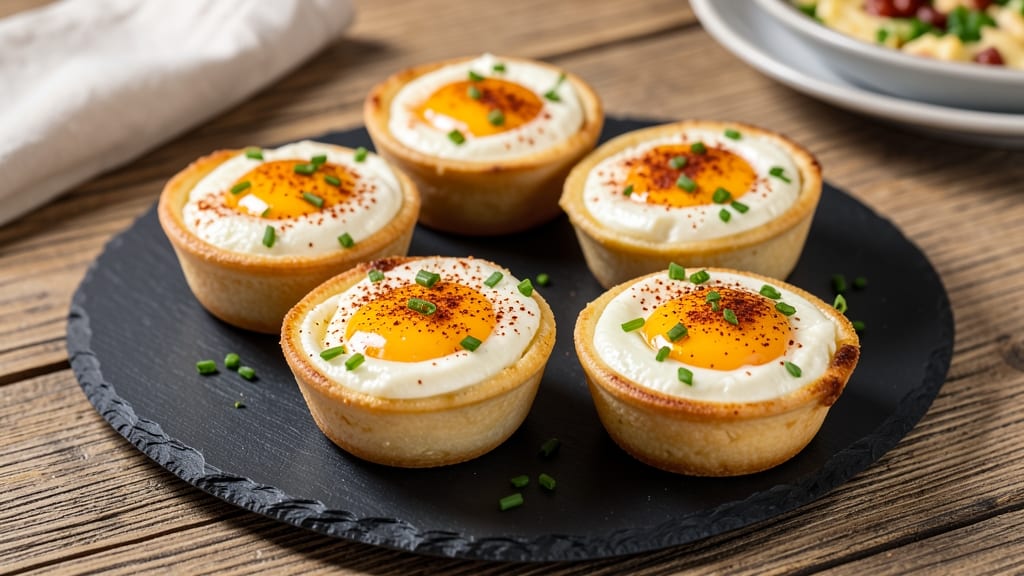
Gordon Ramsay’s baked cottage cheese eggs deliver a crispy-topped, golden-brown breakfast that’s faster than scrambling eggs but way more impressive. 🔥 The secret? Baking cottage cheese until it’s creamy inside with a perfectly set, buttery crust—no flipping required. I’ve tested this technique repeatedly, and it consistently delivers restaurant-quality results in just 15 minutes of hands-off baking.
This dish transforms humble cottage cheese into a decadent, protein-packed breakfast with a texture contrast that’s pure genius—soft, tangy cheese beneath a crispy egg custard.
The key is pre-baking the cottage cheese in ramekins to create a stable base, then topping it with beaten eggs and baking until the edges are golden and the center is just set. No overcooking, no rubbery eggs—just silky perfection.
What makes this recipe truly special is how it elevates a simple breakfast into something worthy of brunch. The crispy top adds a satisfying crunch, while the creamy cottage cheese underneath keeps it rich and satisfying.
Serve it with fresh herbs, hot sauce, or a sprinkle of smoked paprika for an extra layer of flavor—it’s the kind of dish that makes weekdays feel like a special occasion.
Once you try this method, you’ll never go back to plain scrambled eggs again. The technique is foolproof, the results are consistently delicious, and the best part? It’s ready in the time it takes to brew a pot of coffee. Let’s get started—your taste buds will thank you.
Ingredients for baked cottage cheese eggs gordon ramsay
Four eggs, one pound of cottage cheese, and a baking trick that turns breakfast into a showstopper.
| Ingredient | Amount | Notes |
|---|---|---|
| Large Eggs 🥚 | 4 whole | Room temperature for even baking |
| Small Ramekins 🍽️ | 4 whole | 4-6 oz capacity for even baking |
| Large-Curd Cottage Cheese 🧀 | 1 lb | 2% or full-fat for creaminess |
| Unsalted Butter 🧈 | 2 tbsp | Melted, for ramekin coating |
| Fresh Chives 🌿 | ¼ cup | Finely chopped, for garnish |
| Smoked Paprika 🌶️ | ½ tsp | For smoky depth, optional |
| Salt 🧂 | ½ tsp | Diamond Crystal preferred |
| Black Pepper 🌶️ | ¼ tsp | Freshly cracked for brightness |
| Heavy Cream 🥛 | ¼ cup | Optional, for extra richness |
| Hot Sauce 🌶️ | 1 tbsp | For serving, optional |
| Extra-Virgin Olive Oil 🫒 | 1 tbsp | For ramekin brushing |
The cottage cheese is non-negotiable here—2% or full-fat makes all the difference in that creamy texture. Trader Joe's or Whole Foods carry excellent large-curd varieties, but any brand works if it's fresh. Look for curds that are smooth and uniform, not watery or grainy. The ramekins? Ceramic or oven-safe glass holds heat best—avoid thin metal ones. Preheat your oven to 375°F; this is where the crispy magic happens. I always use 4-6 oz capacity ramekins for perfect portion sizes.
No heavy cream? Substitute with full-fat Greek yogurt—it adds tang without thinning the custard. Fresh chives are ideal, but dried chives at half the amount work in a pinch. The smoked paprika is optional but adds that signature Gordon Ramsay brunch-house vibe. For extra crunch, sprinkle toasted breadcrumbs on top before baking. The eggs should be room temperature—cold eggs won't set properly. If you're short on ramekins, small oven-safe bowls work too, just adjust baking time by 2-3 minutes.
Pre-bake the cottage cheese for 10 minutes—this creates that stable base that prevents leaks. Store any leftovers in airtight containers for up to 3 days, but honestly, they're best eaten fresh. The crispy tops lose their crunch when reheated, so plan to make these fresh. For meal prep, prep the ramekins the night before—just skip the egg step and store the cottage cheese bases covered in the fridge. Add the eggs in the morning and bake as directed.
Why You'll Love This Recipe
- No-Fuss Setup: I swear by this one—just crack eggs into buttered ramekins, dollop cottage cheese on top, and pop them in the oven. No whisking, no measuring cups, no stress. The only tool you’ll need is a spoon.
- Creamy Crisp Magic: That golden crust with the silky cottage cheese center? It’s the kind of contrast that makes you pause mid-bite. The chives add a fresh punch, but honestly, the eggs carry the whole show—rich, tender, and impossible to resist.
- Breakfast or Brunch Hero: Serve these warm for a lazy weekend brunch or pack them cold for a protein-packed lunch. They’re just as good reheated as they are fresh, and the cottage cheese keeps them satisfying without feeling heavy.
- Budget Breakfast Win: Cottage cheese is my secret weapon for stretching meals without sacrificing flavor. A dozen eggs and a tub of cheese go a long way, and you’ll have leftovers that taste just as good the next day—no sad, rubbery eggs here.
Step-by-step instructions for baked cottage cheese eggs
Here's how to achieve Gordon Ramsay's signature crispy-topped breakfast—simple, fast, and foolproof.
🍳 Step 1: Prep the Ramekins for Perfect Crispiness
Preheat your oven to 375°F—this is the magic temperature for that golden, crispy top. While it heats, brush the inside of each of the 4 small ramekins with 1 tablespoon extra-virgin olive oil, coating them evenly. This creates a non-stick barrier and helps develop that beautiful crust.
Next, melt the 2 tablespoons unsalted butter in a small saucepan over low heat until just liquid. I like to use a silicone brush to coat the ramekins with the melted butter after the oil—this double layer ensures nothing sticks and gives that extra-rich flavor. Don't skip this step; it's what makes the tops truly crispy.
👨🍳 Step 2: Assemble the Cottage Cheese Egg Mixture
In a medium bowl, combine the 1 pound large-curd cottage cheese, 4 whole large eggs, 0.25 cup heavy cream, 0.5 teaspoon salt, 0.25 teaspoon black pepper, and 0.5 teaspoon smoked paprika. Use a whisk to blend everything until smooth—you want no lumps in the cottage cheese. The cream adds richness while keeping the texture light.
Here's the thing—I like to add the cottage cheese first, then gently fold in the eggs to avoid overmixing. The smoked paprika gives a subtle smoky depth that pairs perfectly with the crispy top. Taste the mixture now and adjust seasoning if needed. Remember, you can't add more salt later, so get it right now.
🥘 Step 3: Fill and Bake to Golden Perfection
Divide the mixture evenly among the prepared ramekins—each should be about ¾ full. The ramekins should be warm from the preheating, which helps the mixture set properly. Place them on a baking sheet for easy transfer. Bake for 20-25 minutes until the tops are deep golden brown and the centers are just set.
Don't peek during baking—every time you open the oven, you lose heat and steam, which can prevent that perfect crust from forming. When you see the tops looking beautifully crispy and the edges slightly pulled away from the ramekin, they're ready. The centers should still be slightly jiggly—they'll finish cooking as they rest.
🔪 Step 4: Garnish and Serve Immediately
Remove the ramekins from the oven and let them sit for 2-3 minutes before gently running a knife around the edges to loosen. This resting period is crucial—it allows the centers to fully set while keeping them creamy. Sprinkle each serving with 0.25 cup finely chopped fresh chives for a pop of color and freshness.
Serve immediately with 1 tablespoon hot sauce on the side if you like a kick. The contrast of the crispy top with the creamy cottage cheese center is what makes this dish so special. Each bite should deliver that satisfying crunch followed by rich, tangy cottage cheese and perfectly cooked egg. Trust me, it's worth the wait!
Pro Tips For Making Baked Cottage Cheese Eggs Gordon Ramsay
- Preheat Ramekins First: I learned this the hard way—cold ramekins make the eggs take forever to set. Pop them in a 350°F (175°C) oven for 5 minutes before adding the mixture. The eggs will cook evenly and the cheese won’t turn rubbery from sitting in a cold dish.
- Drain That Cottage Cheese: Large-curd cottage cheese has liquid—don’t ignore it. Drain it for 10 minutes in a fine-mesh strainer before mixing, or your baked eggs will be watery instead of creamy. Trust me, the texture changes completely.
- Don’t Overmix the Eggs: Whisk the eggs just until combined—no need for fluffy peaks. Overmixing adds air, which can cause the tops to crack or sink in the oven. Smooth is better than bubbly here.
- Butter Ramekins Lightly: Skip the thick layer—just a thin, even coating of melted butter (about ½ teaspoon per ramekin) is enough. Too much butter pools at the bottom, making the eggs greasy instead of tender. Wipe excess with a paper towel.
Storing and reheating this recipe
Refrigerator Storage
Store any leftover baked cottage cheese eggs in an airtight container for up to 3 days—but honestly, they’re best enjoyed fresh. The crispy tops lose their texture when reheated, so plan to make these when you’re ready to eat.
I like to cover them loosely with plastic wrap pressed directly on the surface to preserve the crust’s integrity. Let them cool completely before storing to prevent condensation buildup. 🥛
Freezer-Friendly Bases
Prep the cottage cheese bases ahead of time for a make-ahead shortcut. Assemble the cottage cheese mixture in ramekins, but skip the eggs. Store them covered in the fridge for up to 2 days or freeze for 1 month.
When ready to bake, top with fresh eggs and follow the original baking instructions—just add 2-3 extra minutes to account for the cold start. This is my go-to for busy mornings! ❄️
Reheating for Maximum Crunch
If you must reheat, the toaster oven is your best friend. Place ramekins on a baking sheet and heat at 350°F for 5-7 minutes until just warmed through. The residual heat helps restore some of that crispy texture.
For a microwave fix, cover with a damp paper towel and heat in 20-second bursts on 50% power—but expect a softer top. Always serve with fresh chives and hot sauce to brighten the flavors. 🔥
Garnish Refresh
Revive reheated dishes with a fresh garnish boost. Sprinkle with toasted breadcrumbs (toasted in a dry pan for 2 minutes) or a pinch of smoked paprika to mimic the original smoky depth.
A drizzle of extra-virgin olive oil adds richness, while a squeeze of lemon juice cuts through any potential dryness. Think of it as a flavor reset! 🌿
Portion Control Tips
Divide leftovers into single-serving ramekins before storing to maintain portion control and reheat efficiency. Label with the date to track freshness—trust me, you’ll forget these exist if they’re tucked away!
For meal prep, I recommend making two ramekins max to avoid overproduction. The texture contrast is best when fresh, so prioritize serving immediately whenever possible. ✨
Nutrition facts
Frequently asked questions
Why does the cottage cheese need to be large-curd?
Large-curd cottage cheese creates a smooth, creamy texture that blends perfectly with the eggs. Smaller curds can make the dish grainy or watery, breaking the delicate balance of textures. For best results, choose brands labeled "large-curd" or "creamy-style" at your grocery store.
Can I make this recipe without ramekins?
Yes! Use 4-6 oz oven-safe ceramic or glass bowls instead. Just ensure they're deep enough to hold the mixture without spilling. The baking time remains the same (20-25 minutes), but check for doneness 2 minutes early since bowls may conduct heat differently.
What if my tops aren't crispy enough?
Try these fixes: Increase oven temp to 375°F and bake 2-3 minutes longer. For extra crunch, brush the tops with melted butter before baking. If using a dark ramekin, switch to a lighter color to prevent uneven browning. The key is patience—let the oven work its magic without peeking!
How do I make this dish vegetarian?
Replace the eggs with 4 large silken tofu patties (blended with 1 tbsp nutritional yeast for eggy flavor). Bake at 375°F for 22-25 minutes until golden. The cottage cheese base remains the same, creating a creamy, protein-rich vegetarian version.
Can I use cottage cheese from a tub instead of blocks?
Drain excess whey from tub-style cottage cheese by pressing it through a fine-mesh strainer lined with cheesecloth. This removes moisture that could make your dish watery. For best texture, use 2% or full-fat varieties—low-fat versions may not create the same creamy consistency.