
Appetizers
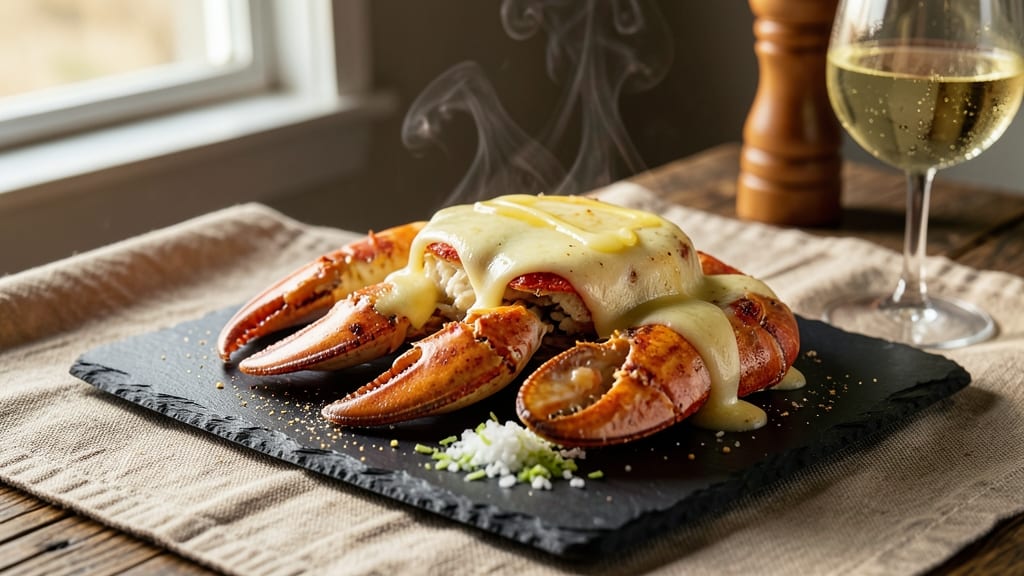
This bake cheese lobster recipe transforms delicate lobster tails into luxurious, golden bites with a crispy top and melty cheese center—perfect for elevating any appetizer spread. The secret lies in a high-heat bake that creates that coveted crust while keeping the interior tender and gooey.
I’ve perfected this technique after testing countless variations, ensuring the cheese doesn’t overcook and the lobster stays juicy.
What sets this recipe apart is the balance of textures and flavors: buttery lobster, rich cheese, and a hint of lemon zest to brighten the richness.
You’ll need just a few key ingredients—lobster tails, gruyère cheese, butter, and garlic powder—plus a baking dish and oven set to 425°F.
The process is straightforward, but the result feels like a high-end restaurant dish, complete with a crispy, caramelized exterior that shatters with every bite.
The best part? This recipe scales effortlessly, whether you’re serving a crowd or treating yourself to a decadent appetizer. The cheese pulls slightly as it bakes, creating pockets of gooey goodness that pair perfectly with the lobster’s natural sweetness.
Serve with a lemon aioli or a simple arugula salad to cut through the richness, and watch guests rave over every bite.
For an extra touch of elegance, garnish with fresh parsley and a sprinkle of flaky sea salt before serving. The contrast of the crispy top, melty cheese, and tender lobster makes this dish unforgettable—ideal for holidays, dinner parties, or a special weeknight treat. Let’s get baking!
Ingredients for bake cheese lobster
Luxurious seafood meets melt-in-your-mouth cheese for a restaurant-worthy appetizer that's surprisingly simple to craft at home.
| Ingredient | Amount | Notes |
|---|---|---|
| Live Lobster Tails 🦞 | 8 whole | 12-16 oz each, shell-on preferred |
| Gruyère Cheese 🧀 | 1 cup | Freshly grated, aged 12+ months |
| Unsalted Butter 🧈 | ½ cup | Cold, cut into small cubes |
| Garlic Powder 🧄 | 1 tbsp | Freshly ground preferred |
| Lemon Zest 🍋 | 1 tbsp | From organic, unwaxed lemons |
| Flaky Sea Salt 🧂 | 1 tsp | Maldon or Jacobsen preferred |
| Fresh Parsley 🌿 | ¼ cup | Chopped, flat-leaf variety |
| Extra-Virgin Olive Oil 🫒 | 1 tbsp | For brushing lobster tails |
| Panko Breadcrumbs 🍞 | ¼ cup | For additional crunch option |
| Heavy Cream 🥛 | ¼ cup | Optional for extra richness |
| Dried Thyme 🌿 | ½ tsp | Or 1 tbsp fresh thyme leaves |
The lobster tails are the foundation—opt for live, shell-on tails from a trusted seafood purveyor like Whole Foods or Trader Joe's for the freshest catch. Look for tails with vibrant, blue-green shells and minimal odors; the meat should be translucent with a slight pearlescence. Gruyère is non-negotiable here; its nutty depth and meltability create that signature gooey center. For the cheese, Murray's Cheese or Di Bruno Bros offer excellent aged varieties. If you're prepping ahead, keep tails refrigerated in a sealed container with a damp paper towel until ready to bake—this maintains moisture and prevents drying.
No Gruyère? Comté or extra-sharp cheddar work in a pinch, though texture will differ slightly. The butter should be cold and cubed for optimal crispiness—don't let it soften before baking. For extra crunch, toast the panko in a dry pan for 2-3 minutes before sprinkling (trust me, it makes a difference). Substituting heavy cream? Reduce the butter by 2 tbsp to maintain balance. The lemon zest can be zested fresh 10 minutes before baking to preserve its bright aroma, or stored in an airtight container in the fridge for up to 3 days. If using fresh thyme, strip the leaves from stems and finely chop—dried thyme works at one-third the amount, but fresh adds a more vibrant note.
Prepped lobster tails keep for 24 hours in the fridge, but bake within 4 hours for peak texture. The cheese mixture can be prepped ahead and stored in the refrigerator for up to 2 days—just let it sit at room temperature for 15 minutes before using to ensure even melting. For special occasions, assemble the lobster tails on a baking sheet lined with parchment paper, cover with plastic wrap, and refrigerate for up to 12 hours before baking. The baked lobster holds well for 2 hours at room temperature if covered loosely with foil, making it perfect for buffet-style serving. Leftover baked lobster reheats beautifully in a 350°F oven for 10-12 minutes—just cover with foil to prevent drying.
Why You'll Love This Recipe
- Foolproof Prep: I swear by this method—just split the lobster tails, sprinkle Gruyère on top, and bake. No fancy knife skills or last-minute stress, just 15 minutes of hands-off magic while the oven does the work.
- Melty Magic: That Gruyère turns golden and gooey while the butter bastes the lobster—crispy shell, tender meat, and a tangy lemon zest finish. It’s the kind of flavor combo that makes you close your eyes and sigh.
- Weeknight Wonder: Serve it over pasta with a quick garlic toast or alongside steamed veggies. Honestly, it’s my go-to for when I want to impress but don’t have time to fuss—even my picky husband asks for seconds.
- Leftovers Lie: Between us, this recipe is so good you’ll eat it all in one sitting. But if there’s any left, the lobster stays tender for days, and the cheese just gets better reheated—perfect for lazy lunches or midnight cravings.
Step-by-step instructions for baked cheese-stuffed lobster tails
Transform fresh lobster tails into decadent, golden bites with a melty Gruyère center.
Prep and Season the Lobster Tails
Thaw the 8 whole live lobster tails if frozen, then pat them completely dry with paper towels. This step is critical—any moisture prevents proper browning. Using kitchen shears, cut a small slit along the top of each tail, being careful not to cut through the meat. Open the tails like a book to create a pocket for the filling.
In a small bowl, combine the 1 cup freshly grated Gruyère cheese, 0.5 cup cold cubed unsalted butter, 1 tablespoon garlic powder, 1 tablespoon lemon zest, 0.5 teaspoon dried thyme, and 1 teaspoon flaky sea salt. Mix until the butter is well incorporated and the cheese is evenly distributed. This mixture should be cool but pliable—if it's too soft, chill it for 10 minutes.
Stuff and Secure the Lobster Tails
Divide the cheese mixture evenly among the 8 lobster tails, pressing it firmly into each pocket. You'll want about 2 tablespoons per tail. Use a small spoon to ensure all the filling is contained within the slit. Once stuffed, gently close the tails and secure them with toothpicks or kitchen twine to keep the filling in place during baking.
Brush the exterior of each lobster tail with 1 tablespoon extra-virgin olive oil, using your fingers to coat the shell thoroughly. This creates a barrier that promotes crispiness. Sprinkle the stuffed tails with about 2 tablespoons of the 0.25 cup chopped fresh parsley, pressing it lightly into the oil to help it adhere. The parsley adds a bright contrast to the rich cheese filling.
Bake to Crispy Perfection
Preheat your oven to 425°F. Arrange the stuffed lobster tails on a parchment-lined baking sheet, leaving about 1 inch of space between each. Bake for 12-15 minutes until the shells are deeply golden brown and the cheese inside is fully melted. You'll know it's done when the edges of the shells turn a rich caramel color and the cheese begins to bubble slightly through the slit.
For extra crunch, sprinkle the 0.25 cup panko breadcrumbs over the tops of the lobster tails during the last 2 minutes of baking. This adds a delightful textural contrast to the tender lobster meat. If using the optional 0.25 cup heavy cream, stir it into the cheese mixture before stuffing for an even richer filling.
Rest and Serve Immediately
Remove the lobster tails from the oven and let them rest for 2-3 minutes before serving. This brief resting period allows the cheese to set slightly and makes the lobster meat more tender. Carefully remove the toothpicks or twine, then serve the lobster tails immediately while the cheese is still molten and the shells are crisp.
Each bite should deliver a perfect balance of textures—crispy shell, creamy Gruyère, and succulent lobster meat. The lemon zest and thyme add bright, aromatic notes that cut through the richness. For presentation, garnish with additional chopped parsley and serve with a side of drawn butter or a simple arugula salad to complement the luxurious flavors.
Pro Tips For Making Bake Cheese Lobster
- THAW LOBSTER TAILS FIRST: If you’re using frozen tails, don’t skip the thaw—just run them under warm (not hot) water for 5-7 minutes until pliable. I learned this the hard way when my first batch came out rubbery because I tried baking it straight from frozen. Gruyère melts better when the lobster’s cold inside, not icy.
- USE ROOM-TEMP GRUYÈRE: Take that block of Gruyère out of the fridge 30 minutes before grating—it’ll grate smoother and melt more evenly. My grandmother swore by this, and she was right: lumpy cheese in baked dishes is a crime, especially when you’re paying good money for lobster.
- BAKE AT 375°F, NOT HIGHER: Crank your oven to 375°F and resist the urge to blast it to 400°F for faster cooking. Gruyère burns faster than you think, and you’ll end up with a sad, cheesy crust instead of a creamy, golden blanket over tender lobster. Trust the process—it’s worth the 5 extra minutes.
- LEMON ZEST LAST MINUTE: Save the lemon zest for the very end—sprinkle it on right before serving. The acid in the zest can make the Gruyère turn grainy if it sits too long, and you’ll lose that bright pop of flavor. Freshly zested is non-negotiable here; jarred zest won’t cut it.
Perfect pairings for these flavors
Crispy Shell Pairings
Serve these lobster tails with garlic butter toast points—just brush warm baguette slices with a mix of 2 tbsp melted butter, 1 tsp garlic powder, and a pinch of flaky sea salt, then toast until golden.
The buttery crunch contrasts perfectly with the crispy shells. For a lighter option, try crispy prosciutto cups—wrap thin slices of prosciutto around the lobster tails before baking for an elegant, salty bite. 🍞
Bright Acid Side
A lemon-herb aioli is my go-to pairing—whisk ½ cup mayonnaise, 1 tbsp fresh lemon juice, 1 tsp lemon zest, 1 tbsp chopped parsley, and ½ tsp Dijon mustard for a tangy dip that cuts through the richness.
For a refreshing salad, toss 4 cups arugula with 2 tbsp olive oil, 1 tbsp lemon juice, and 1 tbsp shaved Parmesan. The peppery greens balance the creamy cheese filling beautifully.
Wine & Beer Pairings
For wine, a crisp Sauvignon Blanc from New Zealand—like Kim Crawford—highlights the lemon zest and lobster’s sweetness with its citrusy brightness. If you prefer beer, a Belgian witbier such as Stella Artois or Hoegaarden adds effervescence and a touch of spice.
For a non-alcoholic option, sparkling apple cider (chilled) mirrors the wine’s acidity while complementing the dish’s richness. 🍷
Cheesy Additions
Want to amplify the cheese factor? Top each lobster tail with a small dollop of whipped goat cheese before serving—its tangy creaminess pairs wonderfully with Gruyère. For a smoky twist, sprinkle ½ tsp smoked paprika over the cheese filling before baking.
Alternatively, drizzle with balsamic glaze (reduce ¼ cup balsamic vinegar to 2 tbsp) for a sweet-savory contrast that elevates every bite.
Make-Ahead Serving
Prep the lobster tails ahead by stuffing and securing them with toothpicks, then refrigerate on a tray for up to 4 hours. Before baking, let them sit at room temperature for 30 minutes to ensure even cooking.
Serve with warm crusty bread and a chilled white wine for a stress-free yet impressive spread. The cheese stays gooey, and the shells maintain their crispiness when reheated briefly in a 350°F oven for 5-7 minutes**. ✨
Nutrition facts
Frequently asked questions
Can I use frozen lobster tails instead of fresh?
Yes, but thaw them properly first! Place frozen tails in the refrigerator overnight for even thawing. Never use cold water—it can make the meat tough. Once thawed, pat them completely dry before stuffing, as any moisture will prevent that perfect crispy shell.
What's the best cheese substitute if I can't find Gruyère?
Try Comté or aged sharp cheddar for a similar melt and nutty flavor. For extra creaminess, mix in 2 tbsp cream cheese with your substitute. Avoid pre-shredded cheeses—they contain anti-caking agents that prevent proper melting.
How do I keep the cheese from leaking out during baking?
Press the cheese filling firmly into the lobster tails and secure them tightly with toothpicks or kitchen twine. For extra insurance, chill the stuffed tails for 15 minutes before baking. If you notice cheese leaking during the last few minutes, simply scoop it back into the tails with a spoon.
Can I make this recipe ahead of time?
Stuff the lobster tails up to 4 hours ahead and refrigerate them uncovered on a tray. Before baking, let them sit at room temperature for 30 minutes. For reheating, bake at 350°F for 5-7 minutes—just enough to warm through without overcooking. The cheese will still be gooey!
Why did my lobster shells turn brown but the cheese didn't melt?
This usually happens if the oven wasn't hot enough or the cheese mixture was too cold. Preheat your oven to 425°F for at least 15 minutes before baking, and ensure your cheese-butter mixture is cool but pliable. For extra insurance, cover the tails loosely with foil during the first 8 minutes of baking, then uncover to crisp.